

Treating Withdrawal Symptoms As Needed Gets Newborns with Opioid Exposure Home Sooner
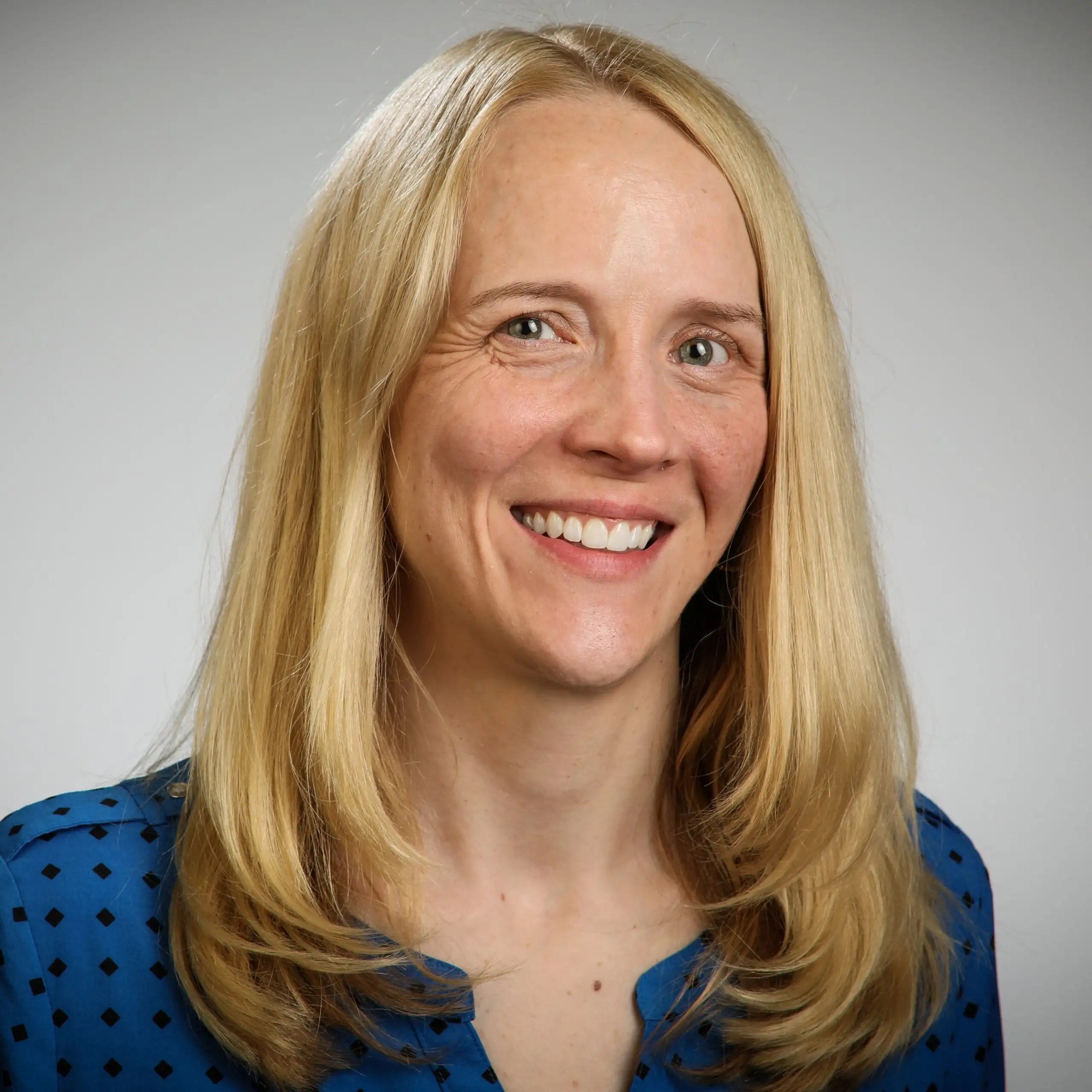
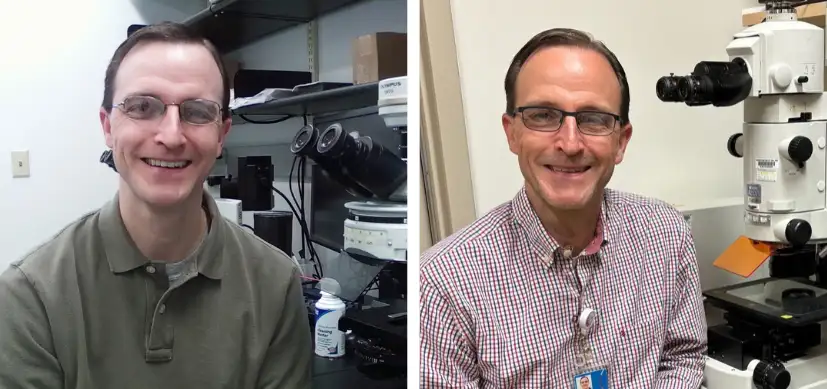
Research By: Stephanie Merhar, MD, MS | Jennifer McAllister, MD, IBCLC | Scott Wexelblatt, MD
Post Date: June 23, 2026 | Publish Date: June 23, 2026

The OPTimize NOW trial found that symptom-based dosing safely shortened time to discharge for infants with moderate to severe withdrawal
Key Takeaways
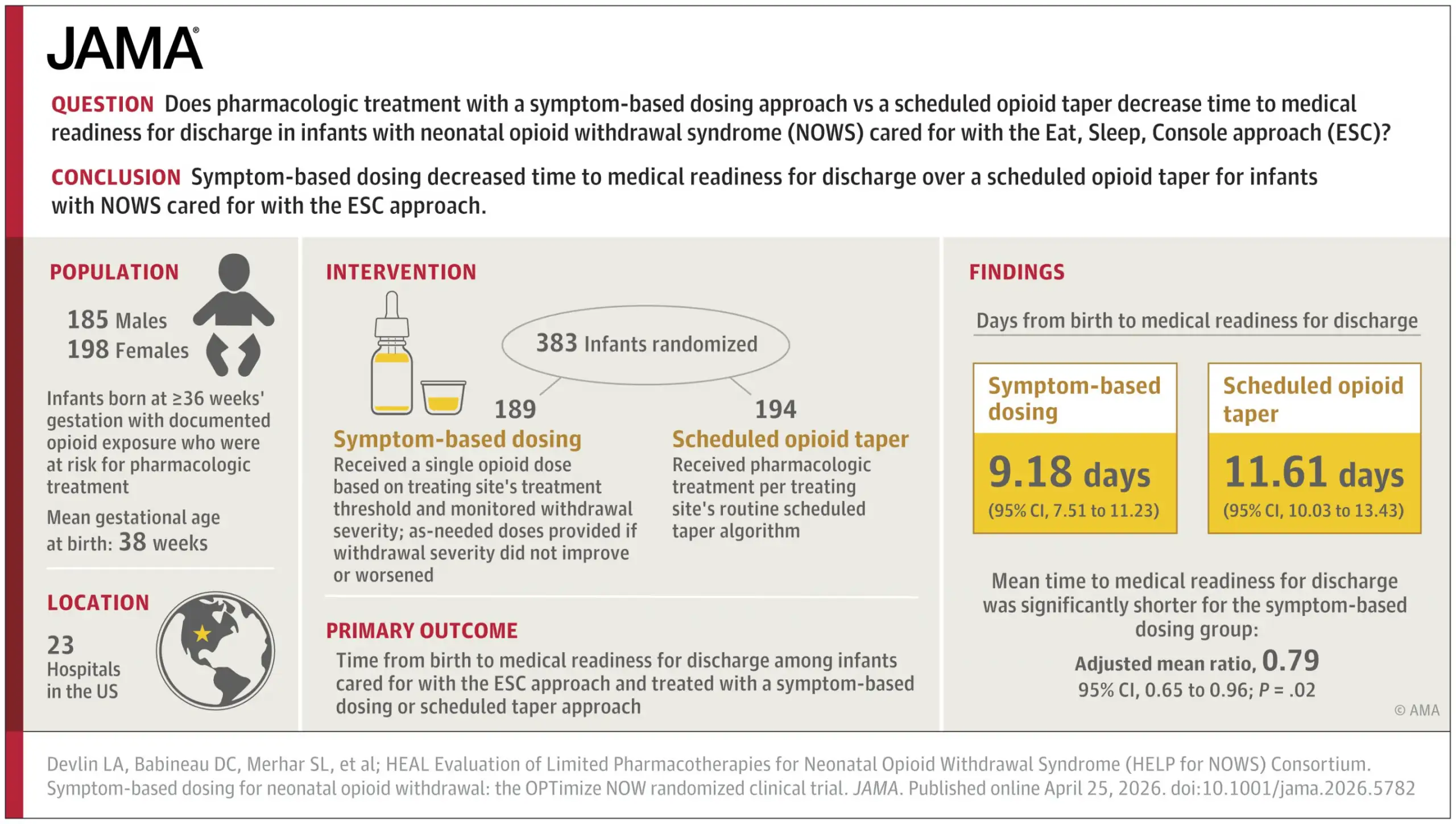
- Among 383 infants cared for with the Eat, Sleep, Console approach, those given opioid doses only when symptoms reached a defined threshold were ready for discharge in 9.18 days, versus 11.61 days with a scheduled taper.
- Serious inpatient safety events were rare in both groups.
- Only about 35% of infants randomized to the symptom-based group needed scheduled dosing.
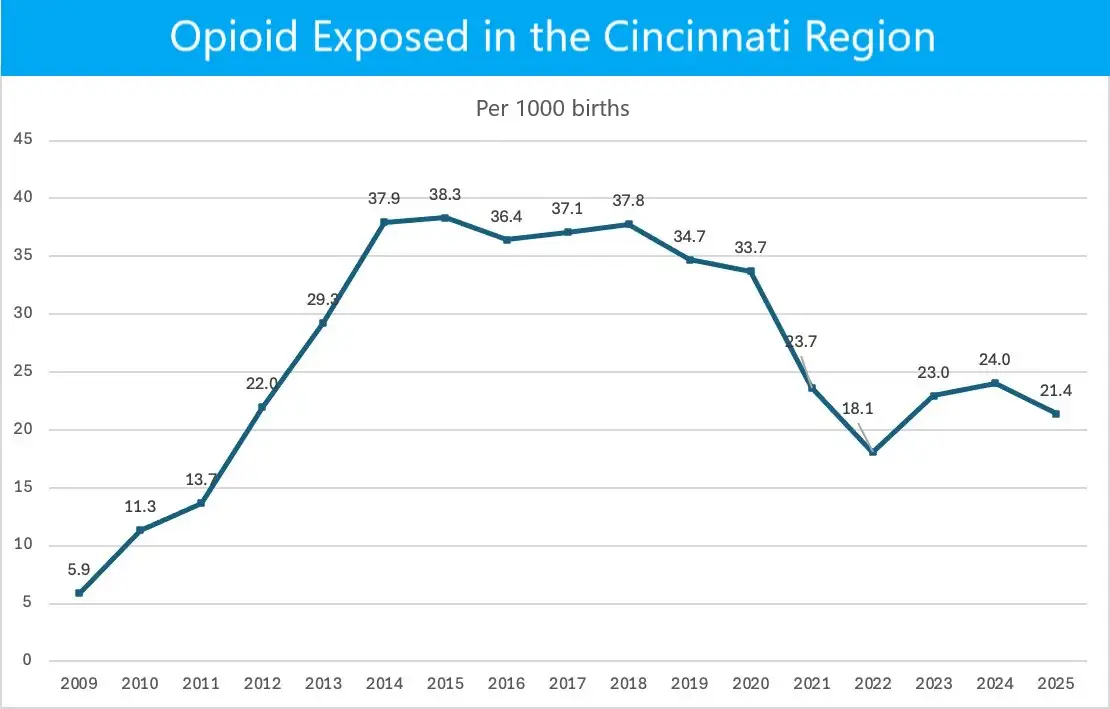
When opioid use or misuse during pregnancy rose from 1.5 to 6.5 per 1,000 deliveries between 1999 and 2014, the frequency of neonatal opioid withdrawal syndrome (NOWS) rose right alongside.
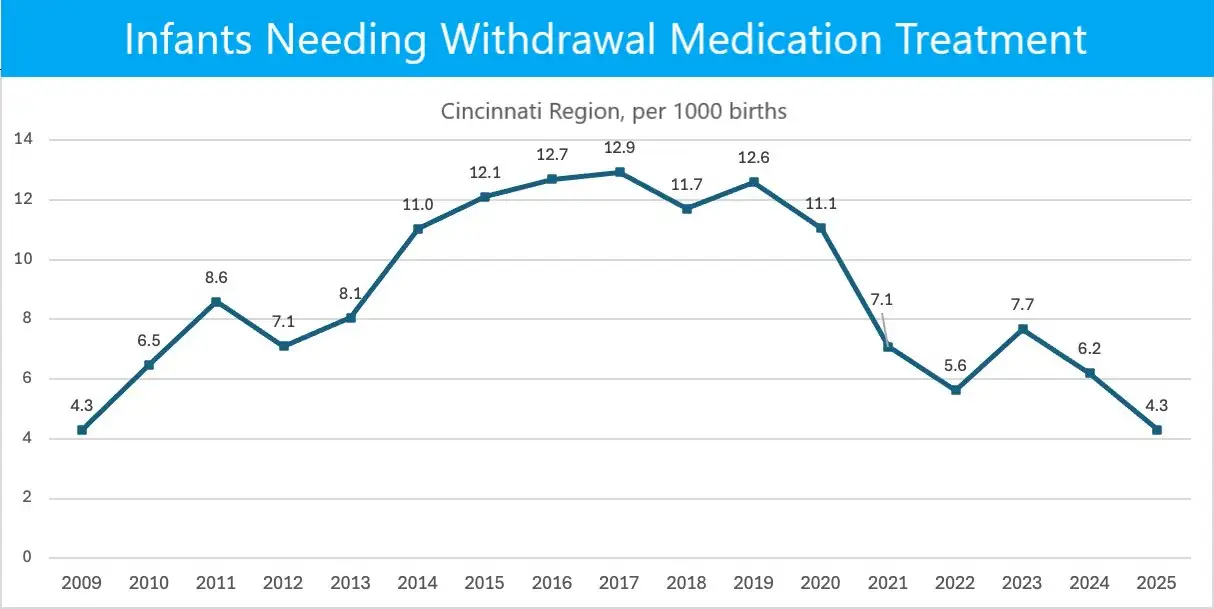
Today, the National Institutes of Health calls NOWS a highly prevalent condition. Newborns going through withdrawal symptoms suffer tremors, high-pitched crying, feeding trouble and sleep disruption. Ohio and Kentucky have been hit especially hard by the opioid epidemic, and many infants have been affected.
Evaluating Symptom-Based Medication
Doctors have traditionally treated these infants with a scheduled opioid taper. However, symptom-based dosing has emerged as an alternative: medicine is given only when withdrawal symptoms reach a prespecified threshold, with safeguards to prevent undertreatment.
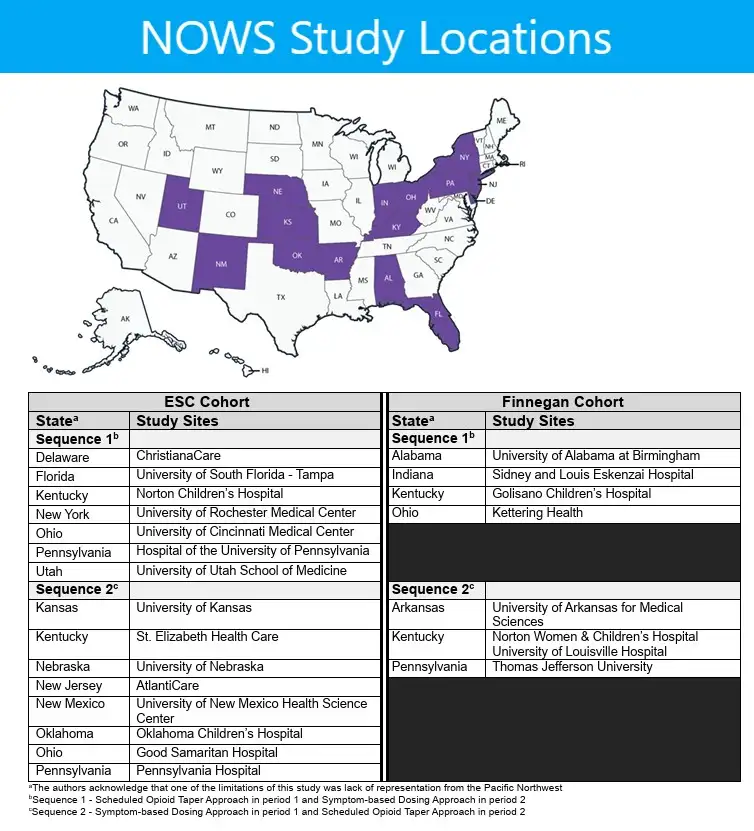
A large research team, which included Cincinnati Children’s experts Stephanie Merhar, MD, MS, Jennifer McAllister, MD, and Scott Wexelblatt, MD, compared the two approaches in a study conducted at 23 U.S. hospitals. Their findings were published in June 2026 in JAMA.
Each hospital used both strategies in a randomly assigned order. The study enrolled 626 infants born at 36 weeks or later. The main analysis focused on 383 infants at hospitals using Eat, Sleep, Console, a family-centered approach that assesses how well a baby can function.
Newer Method Leads to Faster Discharge
Infants treated with symptom-based dosing were medically ready for discharge about 2.4 days sooner on average compared to the standard taper group. Their risk of starting drug treatment was the same, and length of stay did not differ significantly.
Overall, the study found that 65% of infants in the symptom-based dosing group were successfully treated without the use of scheduled opioid dosing. The rest did still need scheduled dosing. Hospitals using the Finnegan scoring system saw no significant differences in outcomes, but the trend was in the same direction.
“Since conducting this study, our local hospitals have adopted the symptom-based strategy to get babies home sooner,” Merhar says.
About the Optimize Now Group
OPTimize NOW (Optimizing Pharmacologic Treatment for Neonatal Opioid Withdrawal Syndrome) is a multicenter trial supported by the NIH Helping to End Addiction Long-term (HEAL) Initiative and the Eunice Kennedy Shriver National Institute of Child Health and Human Development. It is carried out by the HEAL Evaluation of Limited Pharmacotherapies for NOWS (HELP for NOWS) Consortium.
This trial builds on an earlier Eat, Sleep, Console study, which also involved Cincinnati Children’s.
The participating hospitals in this study were University of Alabama at Birmingham, University of Arkansas for Medical Sciences, ChristianaCare (Wilmington, DE), University of South Florida Health, Sidney & Lois Eskenazi Hospital (Indianapolis), University of Louisville Hospital (Jeffersonville, IN), University of Kansas Hospital, St. Elizabeth Healthcare (Edgewood, KY), Kentucky Children’s Hospital (Lexington), Norton Children’s Hospital (Louisville), Norton Women’s and Children’s Hospital (Louisville), University of Nebraska Medical Center, AtlantiCare Regional Medical Center (Atlantic City, NJ), University of New Mexico Health Sciences Center, University of Rochester Medical Center, Cincinnati Children’s Hospital Medical Center, Good Samaritan Hospital (Cincinnati), Kettering Health Main Campus, Oklahoma Children’s Hospital OU Health, Children’s Hospital of Philadelphia, Thomas Jefferson University Hospital (Philadelphia), Pennsylvania Hospital (Philadelphia), and University of Utah Health.
Don’t Miss a Post:
- Subscribe to the Research Horizons Newsletter
- Follow Cincinnati Children’s Research Foundation on Bluesky, X and LinkedIn
| Original title: | Symptom-Based Dosing for Neonatal Opioid Withdrawal: The OPTimize NOW Randomized Clinical Trial |
| Published in: | JAMA |
| Publish date: | June 23, 2026 |
Research By



Latest Posts

About this blog
The Research Horizons blog features news and insights about the latest discoveries and innovations developed by the scientists of Cincinnati Children's. This blog does not provide medical advice, diagnosis, or treatment. Email researchnews@cchmc.org with questions or ideas.
Subscribe to Our Newsletter