

Study Links Labor Complications to Postpartum Stress
Research By: Katherine Bowers, PhD, MPH
Post Date: November 11, 2026 | Publish Date: October 31, 2026

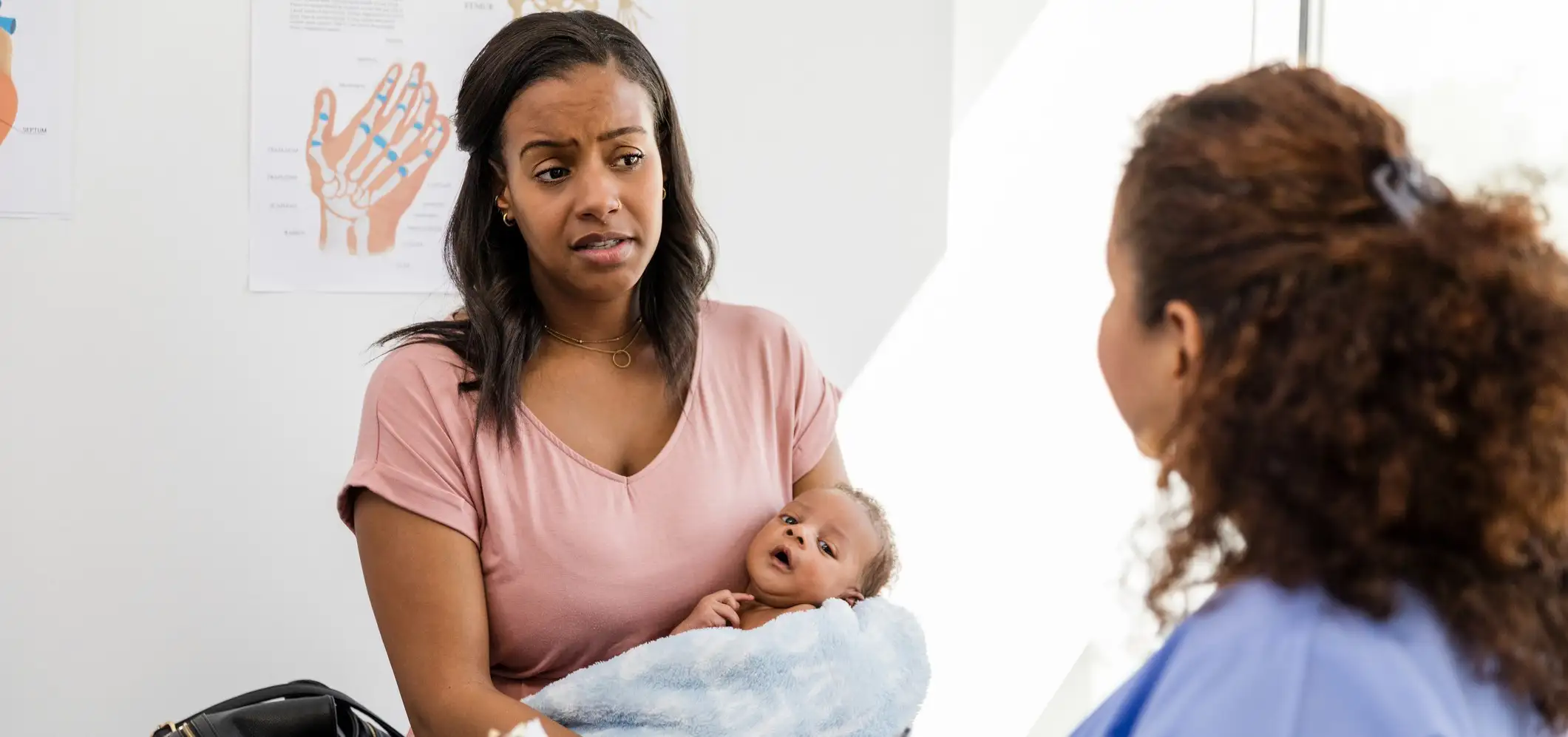
Among low-income mothers, labor complications were associated with higher posttraumatic stress symptoms after birth, while the association was stronger among those with low social support
Key Takeaways
- One-third of mothers who experienced labor complications reported elevated posttraumatic stress symptoms one month after birth, compared with 19% of mothers without complications.
- Labor complications were associated with higher posttraumatic stress symptoms even after accounting for depression, childhood adversity and other factors.
- The relationship between labor complications and posttraumatic stress symptoms was strongest among mothers with low social support.
- The relationship between labor complications and posttraumatic stress symptoms was strongest among mothers with low social support.
For some mothers, complications during labor can be more than a medical event. They can become a traumatic experience with lasting effects on mental health and family well-being.
Researchers studying mothers enrolled in a home visiting program found that labor complications were associated with significantly higher posttraumatic stress symptoms in the first month after childbirth. The study, published in Archives of Women’s Mental Health, also identified that social support during pregnancy may help protect mothers.
“Childbirth-related trauma is often overlooked, particularly among families facing additional social and economic stressors,” says Katherine Bowers, PhD, MPH, first author of the study. “Our findings suggest that mothers who experience complications during labor may be at greater risk for posttraumatic stress symptoms after birth, highlighting an important opportunity for awareness and early support.”
Difficult Birth Experiences Linked to Higher Stress Symptoms
The study drew on data from the Pregnancy and Infant Development Study (PRIDE), a longitudinal cohort of women participating in Every Child Succeeds, a home visiting program serving families in Greater Cincinnati and Northern Kentucky. Many of these includedlow-income families, a population that is often underrepresented in childbirth trauma research despite facing elevated risks for stress-related conditions.
The condition can affect more than maternal well-being, with previous research linking it to challenges with parent-child attachment, parenting and infant behavioral health.
Researchers analyzed data from 212 mothers and examined whether pregnancy conditions or labor complications, which were used as a proxy for a traumatic event, were associated with posttraumatic stress symptoms one month after childbirth.
Overall, 22.6% of participants reported posttraumatic stress symptom levels at 1 month after delivery that were considered clinically concerning. The rate was substantially higher among mothers who experienced labor complications such as prolonged labor, fetal distress or other delivery-related events. Among those mothers, 33.3% reported elevated symptoms compared with 19% of mothers who did not experience labor complications.
The association persisted even after accounting for factors known to influence mental health, including prenatal depression, childhood adversity and preexisting posttraumatic stress symptoms. Pregnancy-related medical conditions such as hypertension, gestational diabetes and anemia were not associated with increased symptoms.
Social Support May Help Protect Mothers
One of the study’s most significant findings involved the role of social support during pregnancy.
Researchers found that labor complications were associated with higher posttraumatic stress symptoms primarily among mothers who reported lower levels of social support. Among mothers with stronger support systems, the relationship between labor complications and postpartum stress symptoms was not observed.
The findings add to growing evidence that support from family members, friends, healthcare professionals and community-based programs may play an important role in maternal mental health.
“One of the most encouraging findings was the potential role of social support,” says Bowers. “Among mothers who reported strong support systems, we did not see the same association between labor complications and posttraumatic stress symptoms. That suggests support may be an important target for future prevention efforts.”
Looking Ahead
The findings provide early evidence for a broader research effort focused on understanding and preventing childbirth-related posttraumatic stress disorder. Building on these results, investigators assembled 4 groups of stakeholders to co-design an intervention to support mothers at risk for traumatic stress after childbirth. The co-design process was led by Monica Mitchell, and pilot testing will begin it in the coming months.
Future research will examine whether the intervention can help reduce posttraumatic stress symptoms for at-risk mothers and improve outcomes for both mothers and children.
About the study
Additional Cincinnati Children’s co-authors included Robert Ammerman, PhD, ABPP, of the Division of Behavioral Medicine and Clinical Psychology, Lili Ding, PhD and Alonzo (Ted) Folger, MD, MS of the Division of Biostatistics and Epidemiology, and Jennifer Frey, PhD, BCBA-D, president of Every Child Succeeds.
Funding for the study was supported by the National Institute of Minority Health and Health Disparities (MD013005).
Don’t Miss a Post:
- Subscribe to the Research Horizons Newsletter
- Follow Cincinnati Children’s Research Foundation on Bluesky, X and LinkedIn
| Original title: | The association between labor complications and posttraumatic stress symptoms among women with low social support |
| Published in: | Archives of Women's Mental Health |
| Publish date: | October 31, 2026 |
Research By


Latest Posts
About this blog
The Research Horizons blog features news and insights about the latest discoveries and innovations developed by the scientists of Cincinnati Children's. This blog does not provide medical advice, diagnosis, or treatment. Email researchnews@cchmc.org with questions or ideas.
Subscribe to Our Newsletter