

Multi‑Tool Screening: A Stopgap for Diagnosing Cerebral Palsy Early
Research By: Shipra Jain, MD | Nehal Parikh, DO, MS
Post Date: April 20, 2026 | Publish Date: January 8, 2026

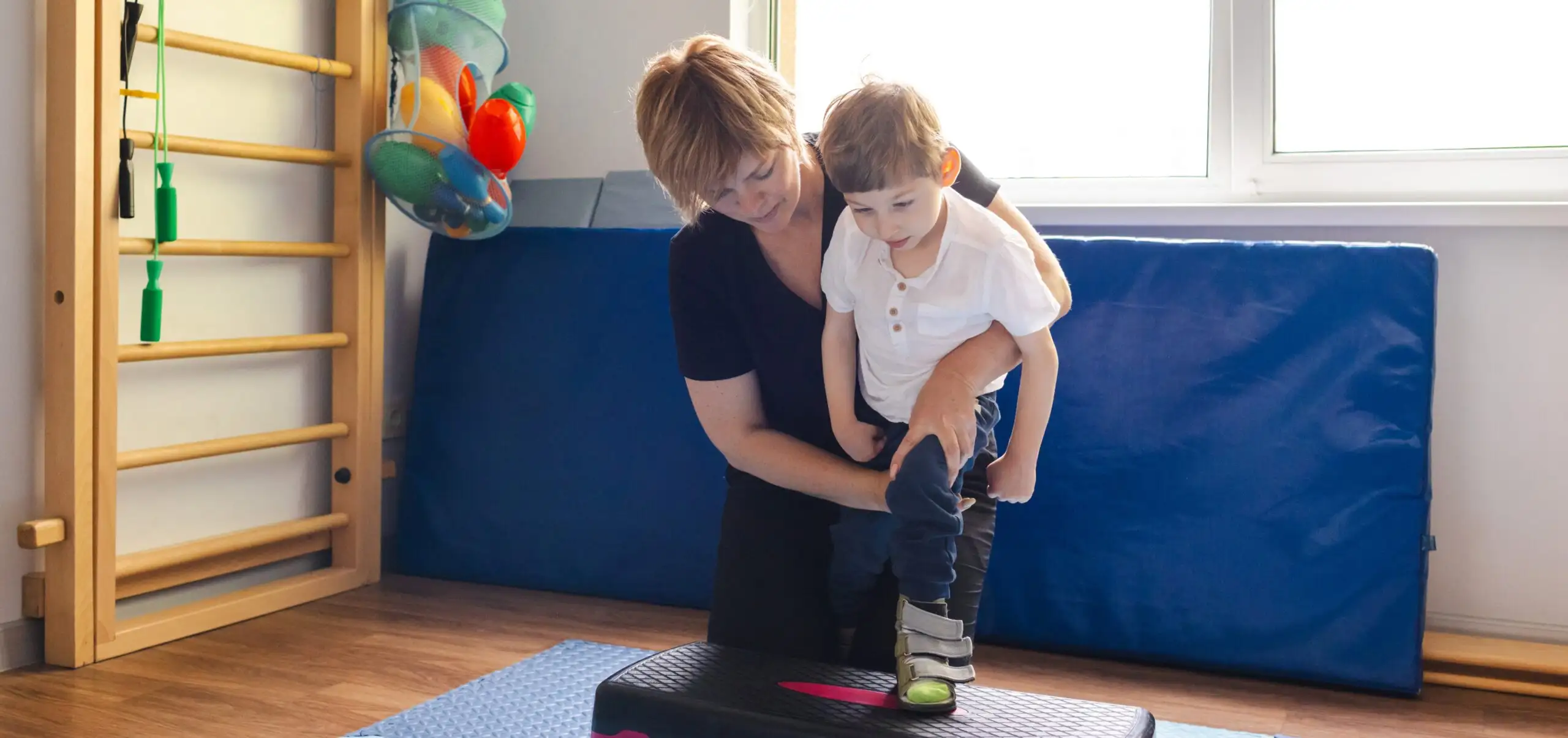
Combining three clinically used screening tools can accurately diagnose moderate to severe forms of cerebral palsy early, but typically misses milder cases, emphasizing the need for continued developmental follow‑up
Intervention for cerebral palsy (CP) during the first months of life can support motor development and reduce secondary complications. However, there is limited evidence on how well standard detection tools work for diagnosing CP, especially for mild cases.
A study, published in Pediatrics on February 2, 2026, led by investigators in the Division of Neonatology and Pulmonary Biology at Cincinnati Children’s evaluated these tools in combination. They found that while these standard tools are reliable in more severe cases, they often miss children with mild CP—the most common presentation among infants born several weeks premature.
“This is important because mild cerebral palsy is both common and highly responsive to early intervention, yet it remains difficult to detect with current screening methods,” said Shipra Jain, MD, first author of the study.
Traditional Screening Tools
Clinicians use three main tools to identify early signs of CP in preterm infants:
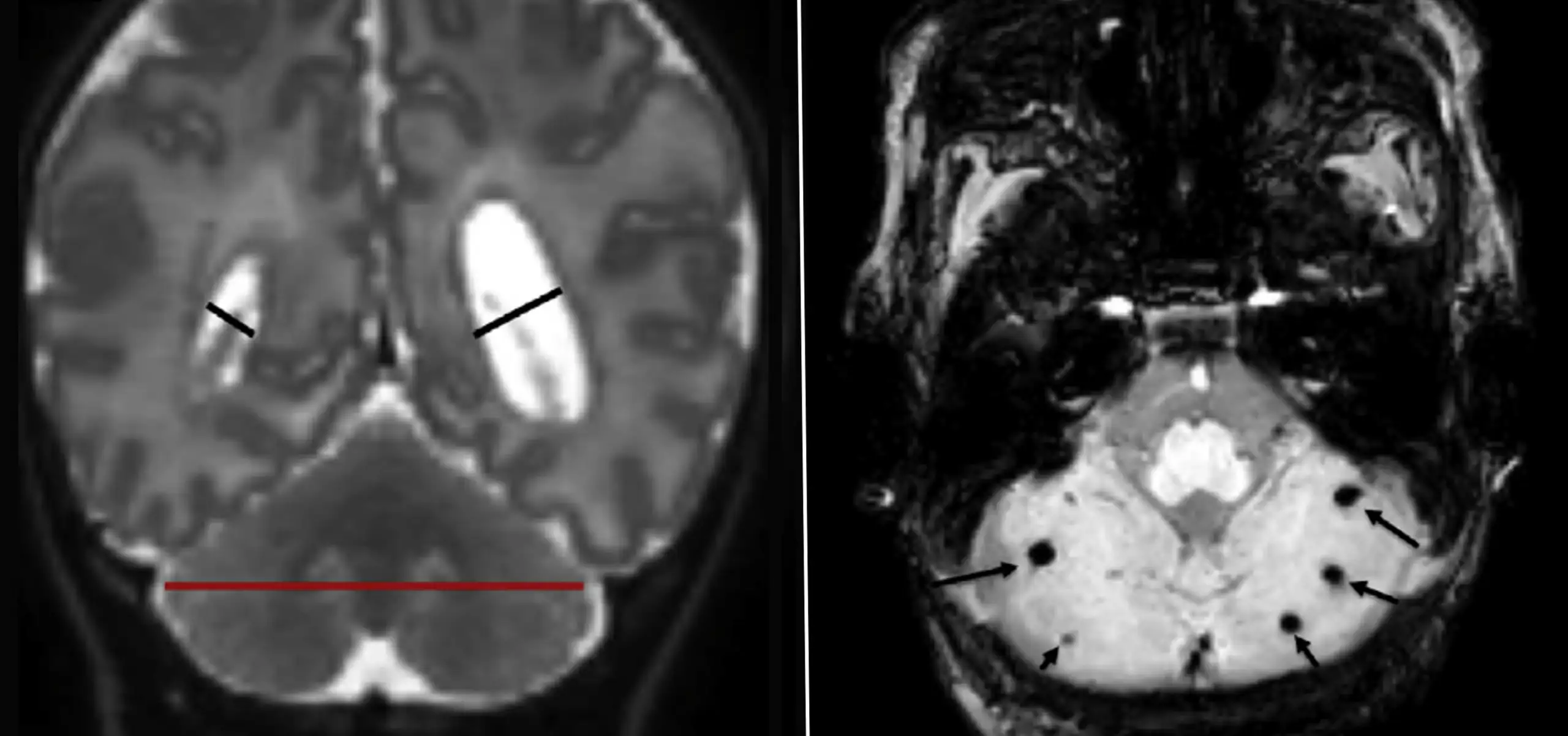
- Structural MRI (sMRI): Used to look for brain injuries associated with motor impairment, such as white matter injury or deep gray matter abnormalities.
- General Movements Assessment (GMA): A video-based assessment that evaluates spontaneous movements during infancy. Absent “fidgety” movements can signal risk for motor disorders.
- Hammersmith Infant Neurological Examination (HINE): A standardized neurological exam that scores tone, posture, reflexes, and movement quality.
Although each tool provides useful information, less was known about how well they work together in a general preterm population—especially for detecting mild CP.
Identifying a Problem
The research team followed 395 infants born at or before 32 weeks gestation—a time point considered ‘very preterm’—across five NICUs in Greater Cincinnati. Infants received a structural MRI at a time when they would have reached full term, followed by the GMA and the HINE tests 12–18 weeks later. At 22–26 months, after infants would have reached term, clinicians completed standard neurological exams to diagnose CP and assign Gross Motor Function Classification System (GMFCS) levels.
Among the 338 children who completed follow-up, 39 (11.5%) were diagnosed with CP. Most—28 children (72%)—had GMFCS level I, a mild form of CP in which children can walk but have subtle motor challenges.
All three early screening tools showed high specificity but low sensitivity. This means the tests rarely flagged CP in children who did not have it, but they also failed to flag many children who did—particularly those with mild CP.
- MRI: 90% specificity, 46% sensitivity
- GMA: 98% specificity, 27% sensitivity
- HINE: 84% specificity, 58% sensitivity
Combining tests increased specificity to nearly 100%, especially for MRI + GMA, but this further reduced sensitivity:
- MRI + GMA: 100% specificity, 22% sensitivity
- MRI + HINE: 98% specificity, 32% sensitivity
“When the combined test was positive, the child truly had cerebral palsy. However, many cases were missed” says Jain. “This makes it a good confirmatory test, but a poor screening tool.”
Moving Forward
When early screening tests are abnormal/positive, clinicians can make a confident diagnosis as early as three to four months after infants would have reached full term. However, many children with mild CP have early test results that fall within typical ranges. Because mild CP accounted for most cases in this study, ongoing monitoring through at least age two remains important for very preterm infants.
The differences in how the GMA and HINE performed also suggest that these assessments measure different aspects of early neurological function. Using them together, rather than as substitutes for one another—the current recommendation—may provide a more complete picture of early motor development.
The study findings point to the need for more sensitive tools that can detect milder motor differences earlier in life. Approaches under investigation include:
- Quantitative MRI measures, such as diffusion MRI to assess brain connectivity
- Machine learning prediction models that combine imaging and clinical data
- More detailed GMA scoring systems such as the Motor Optimality Score
“These methods may improve the early identification of mild CP, which matters because early intervention can be particularly helpful for these children,” says Nehal Parikh, DO, MS, the senior author of the study. “Until more sensitive tools are available, continued follow-up and early referral remain essential for infants born several weeks early.”
About the Study
Cincinnati Children’s co-authors also include Karen Harpster, OTR/L, PhD, Stephanie Merhar, MD, MS, Beth Kline-Fath, MD, Mekibib Altaye, PhD, and Venkata Sita Priyanka Illapani of the Neurodevelopmental Disorders Prevention Center.
Funding sources included grants from the National Institute of Neurological Disorders and Stroke (R01 NS094200 and R01 NS096037); and the National Institute of Biomedical Imaging and Bioengineering (R01 EB029944).
Don’t Miss a Post:
- Subscribe to the Research Horizons Newsletter
- Follow Cincinnati Children’s Research Foundation on Bluesky, X and LinkedIn
| Original title: | MRI, General Movements, and Neurological Examination for Early Cerebral Palsy Diagnosis in Preterm Infants |
| Published in: | Pediatrics |
| Publish date: | January 8, 2026 |
Research By


Latest Posts

About this blog
The Research Horizons blog features news and insights about the latest discoveries and innovations developed by the scientists of Cincinnati Children's. This blog does not provide medical advice, diagnosis, or treatment. Email researchnews@cchmc.org with questions or ideas.
Subscribe to Our Newsletter