

Winslow Research Pavilion Opens
Post Date: May 5, 2026 | Publish Date:

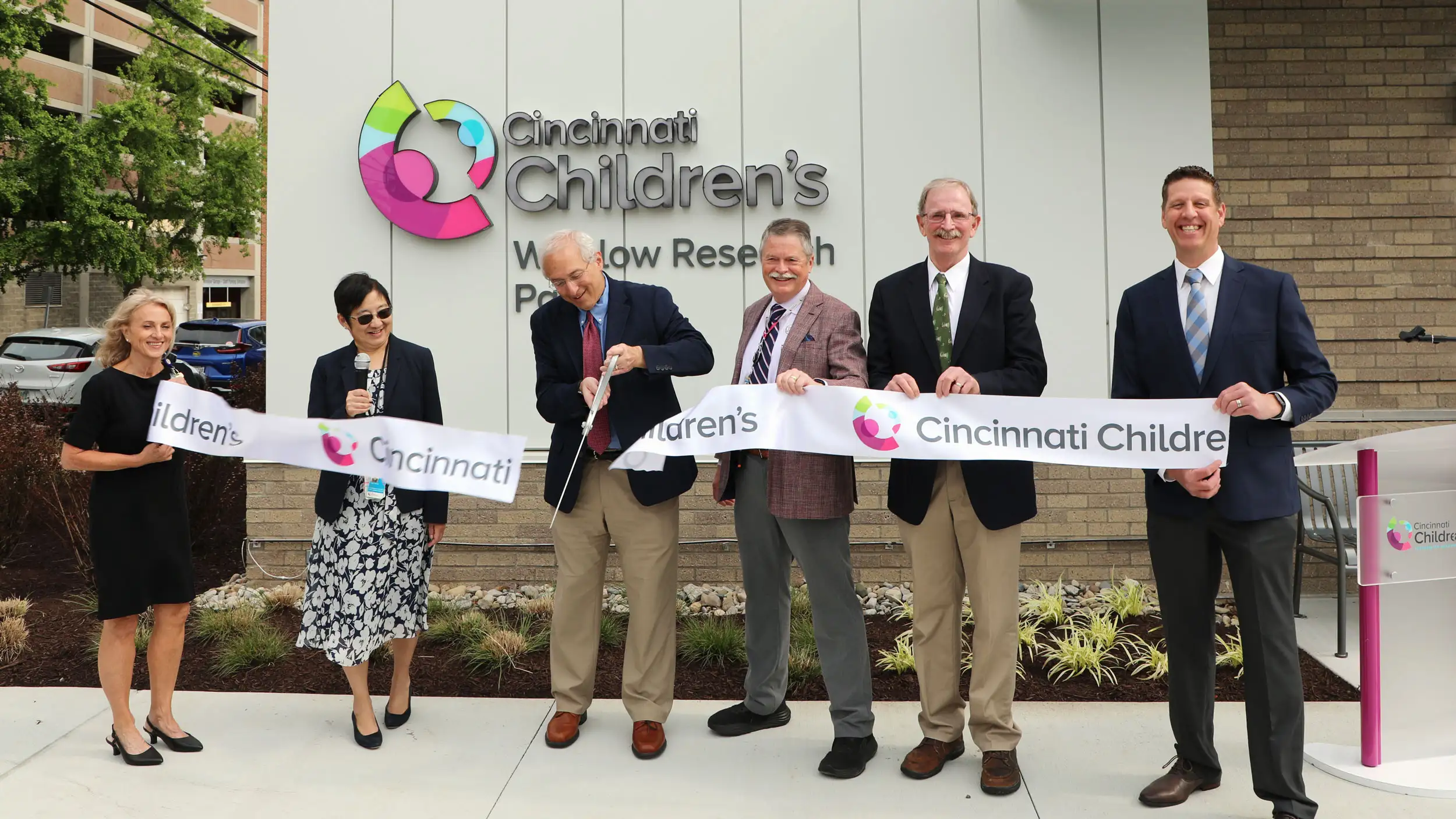
Avondale site is new home for Vaccine Research Center, Discover Together Biobank, Freezer Archive and community programs
Cincinnati Children’s celebrated the opening of the Winslow Research Pavilion on May 5, 2026, adding new laboratory space to one of the largest pediatric research organizations in the world.
“The advanced capabilities of the Winslow Research Pavilion strengthen collaboration between our scientists and clinicians, accelerating how discoveries are turned into treatments and cures for patients,” says Tina Cheng, MD, director of the Cincinnati Children’s Research Foundation, chair of the Department of Pediatrics, and chief medical officer of the health system. “Our commitment to research is the key reason Cincinnati Children’s is widely regarded as one of the most innovative organizations in America.”
The Winslow Research Pavilion serves as the new home of the health system’s Vaccine Research Center, the Discover Together Biobank and a Freezer Archive for long-term storage of research samples. The building also provides a central location for Cincinnati Children’s to hold programs for the Avondale community, including the health system’s annual Discovery Day, set for May 16.
“Students will enjoy opportunities to learn from scientists and clinicians based at the Winslow Research Pavilion, and our hope is this will provide a foundation for making career choices in the biomedical sciences,” says Monica Mitchell, PhD, assistant vice president of Community Relations. “For example, the building will be used by students participating in our Summer Undergraduate Research Fellowship (SURF) program, which enables young people to explore clinical, translational and basic science research. We also will host community meetings for adults in designated conference spaces.”
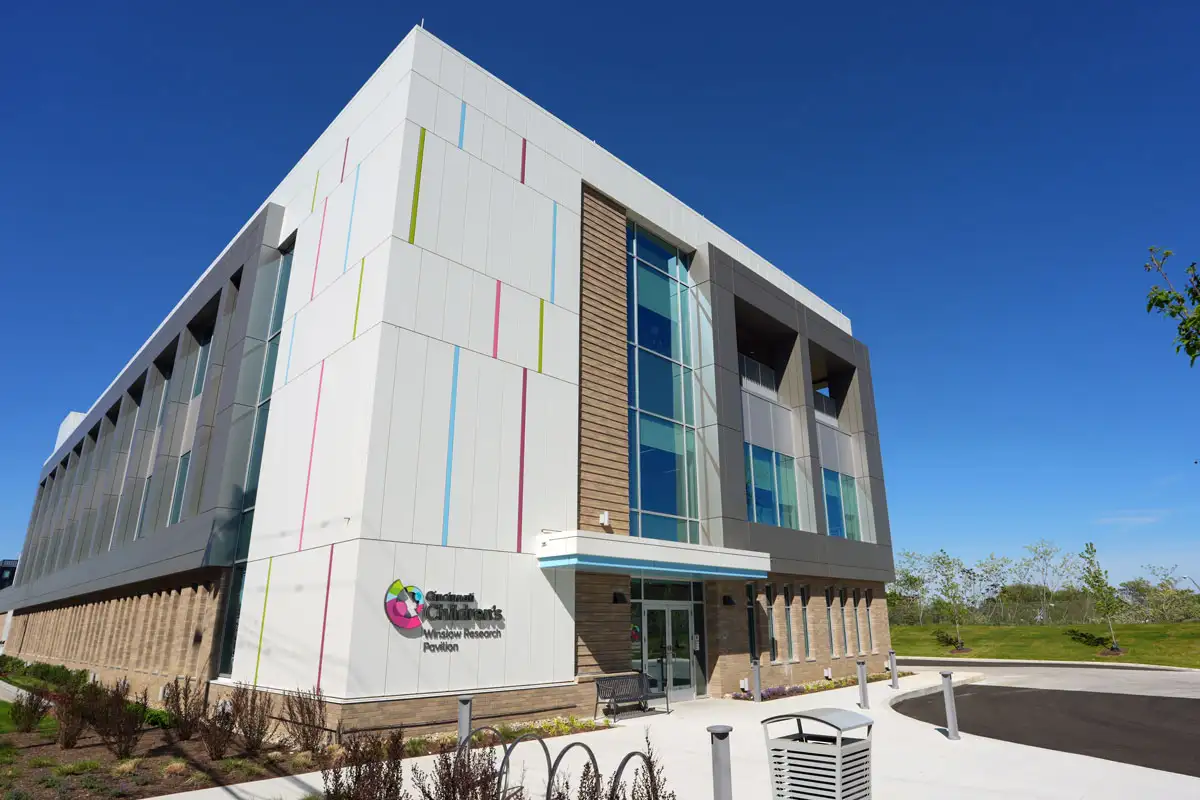
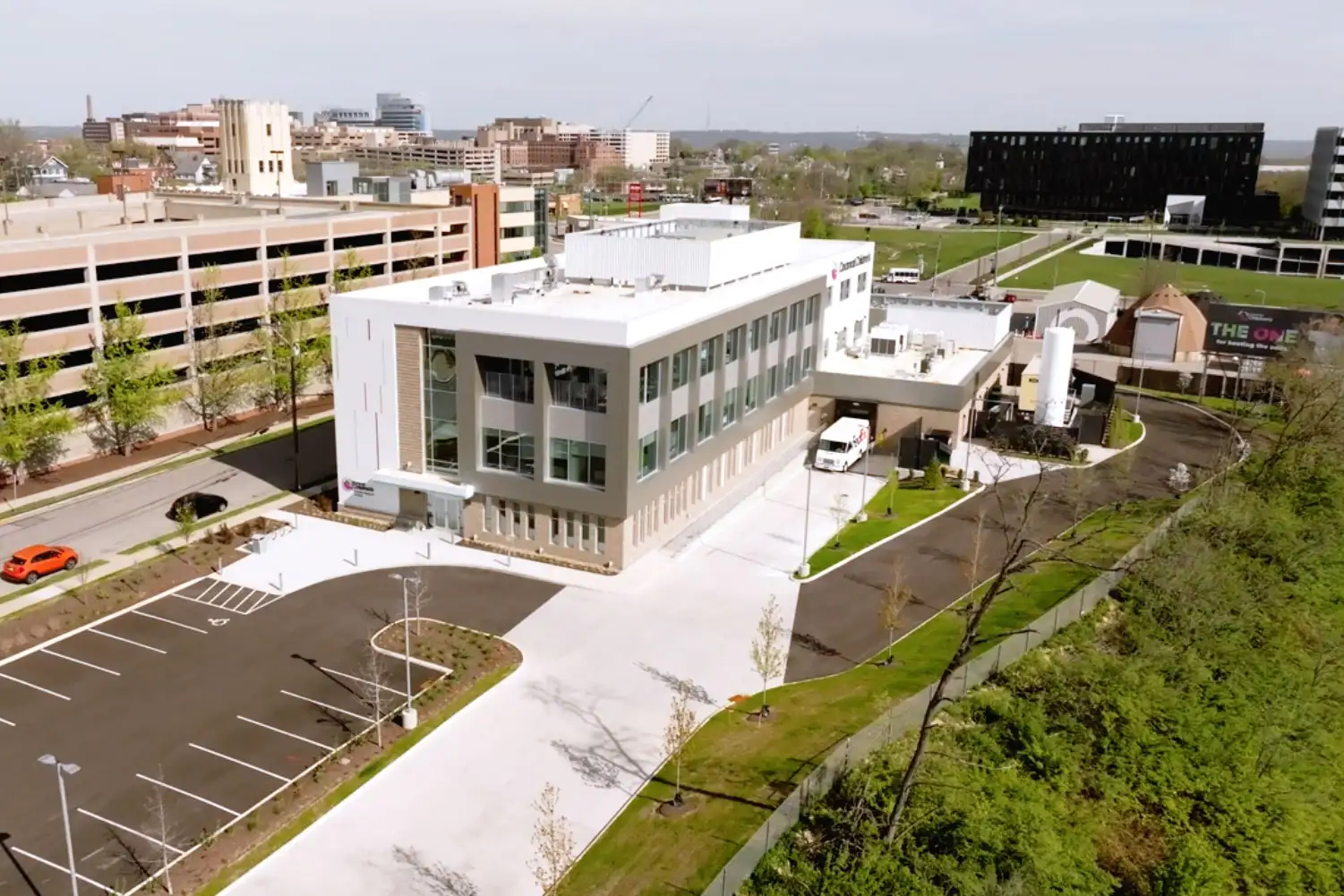
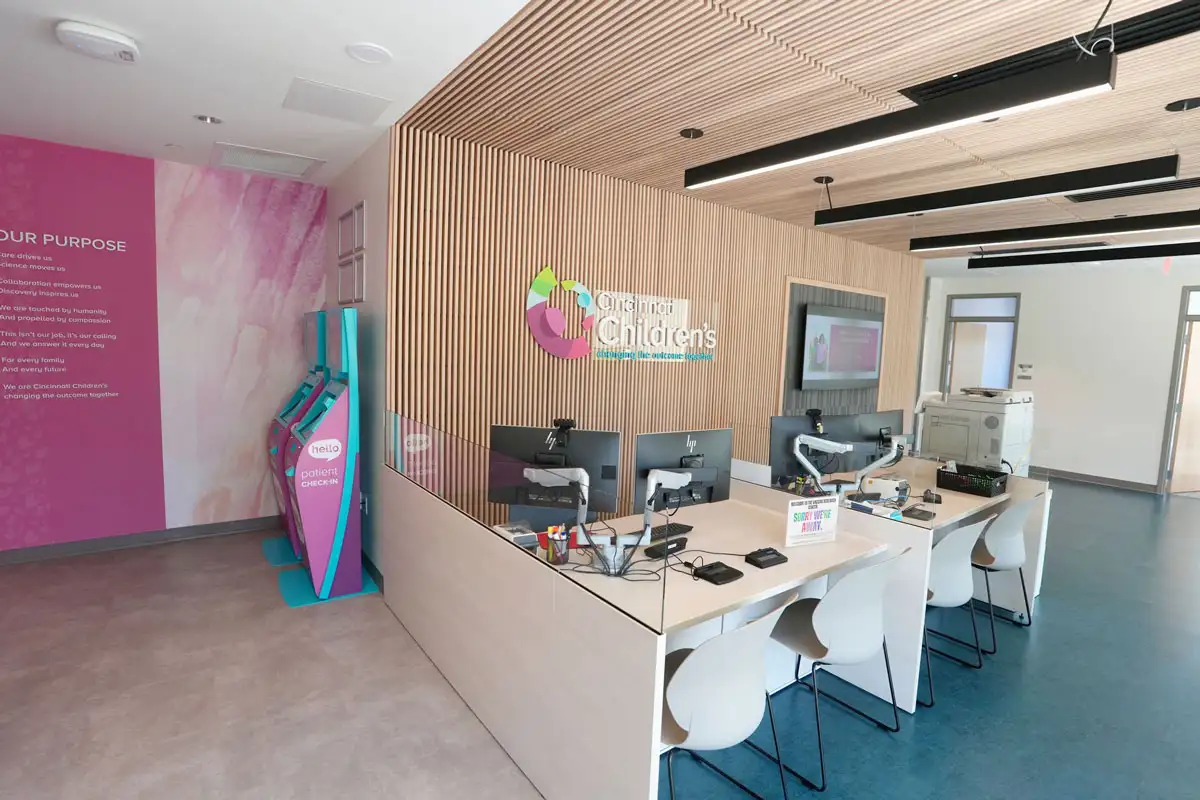
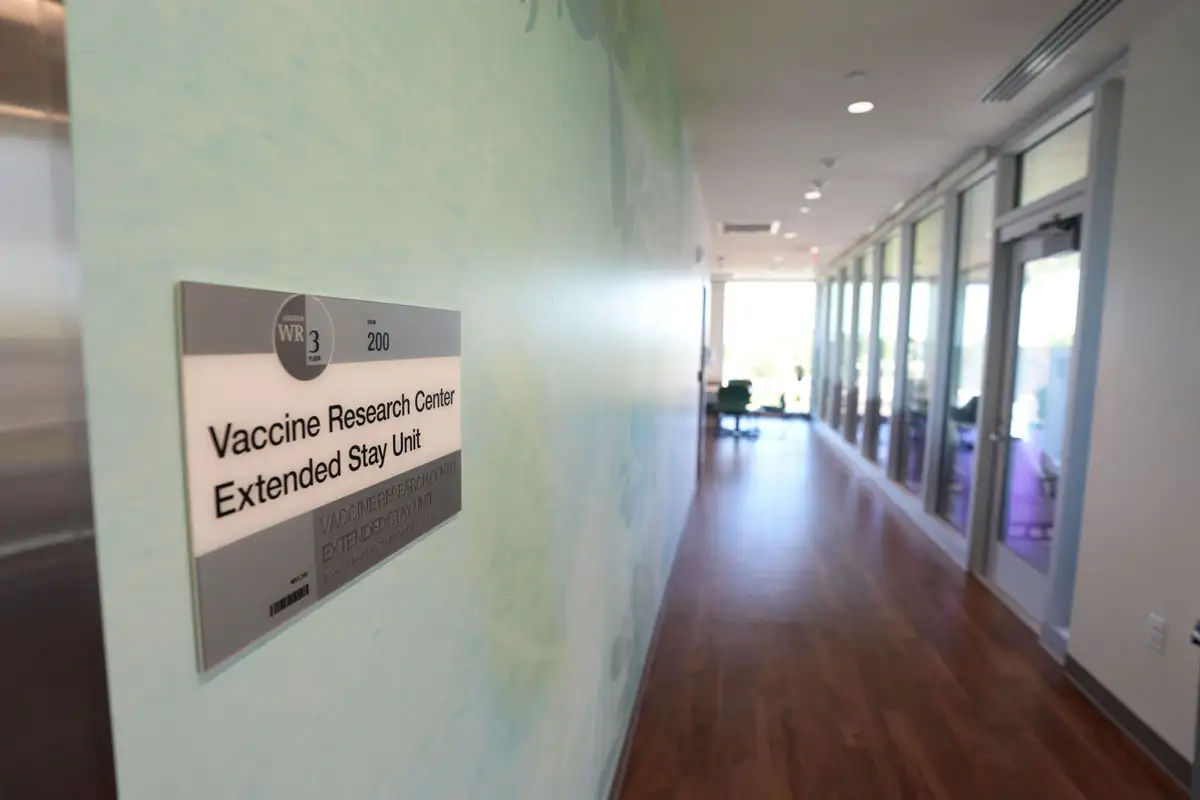
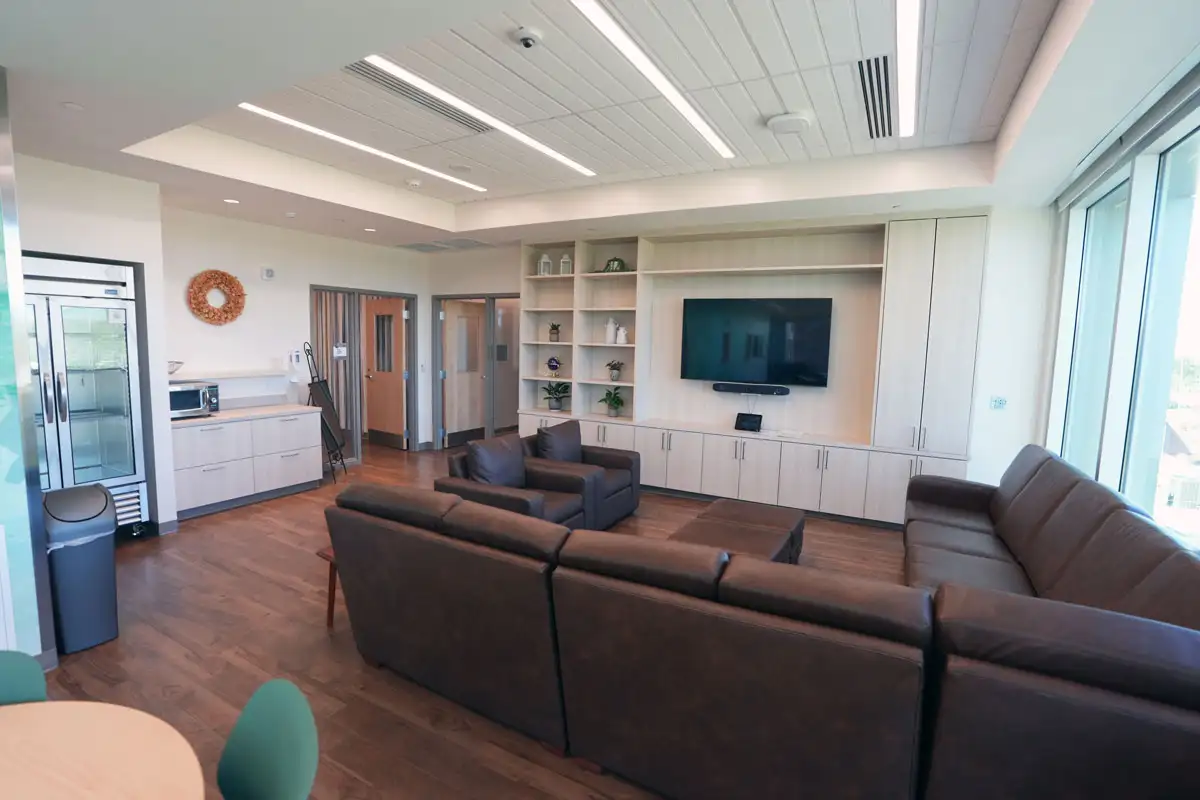
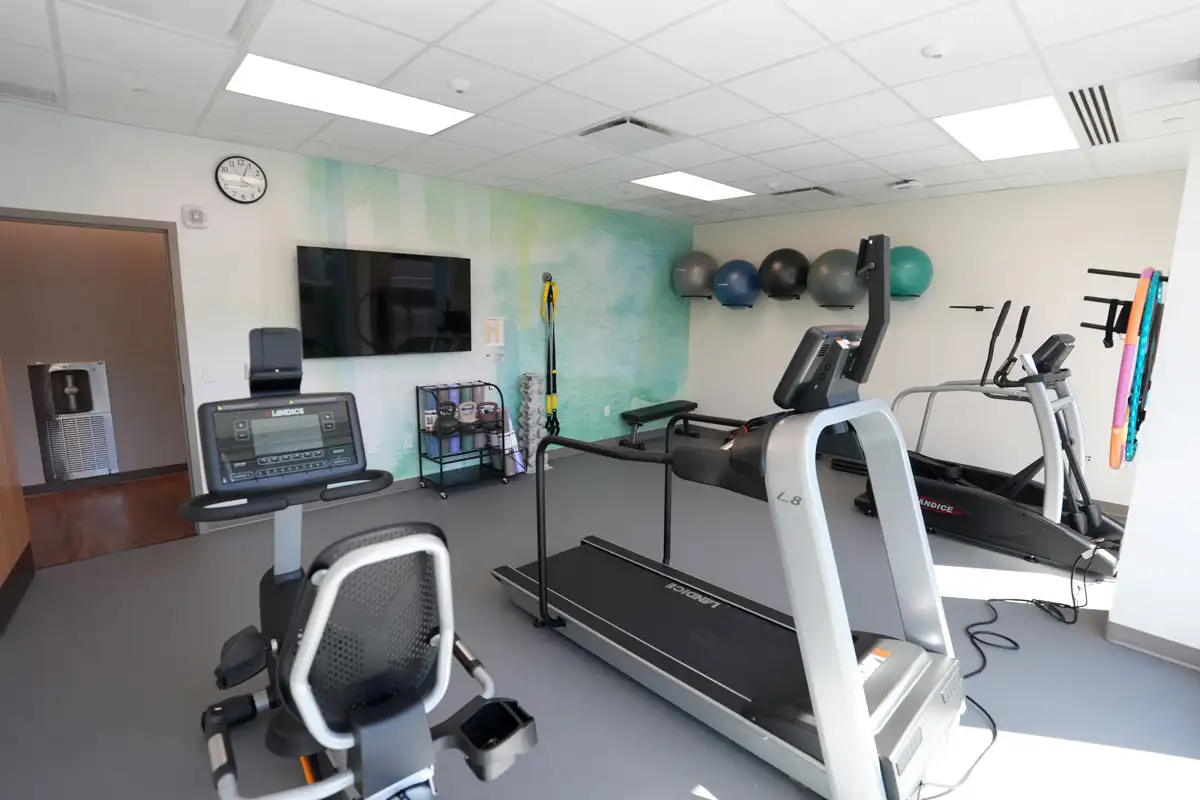
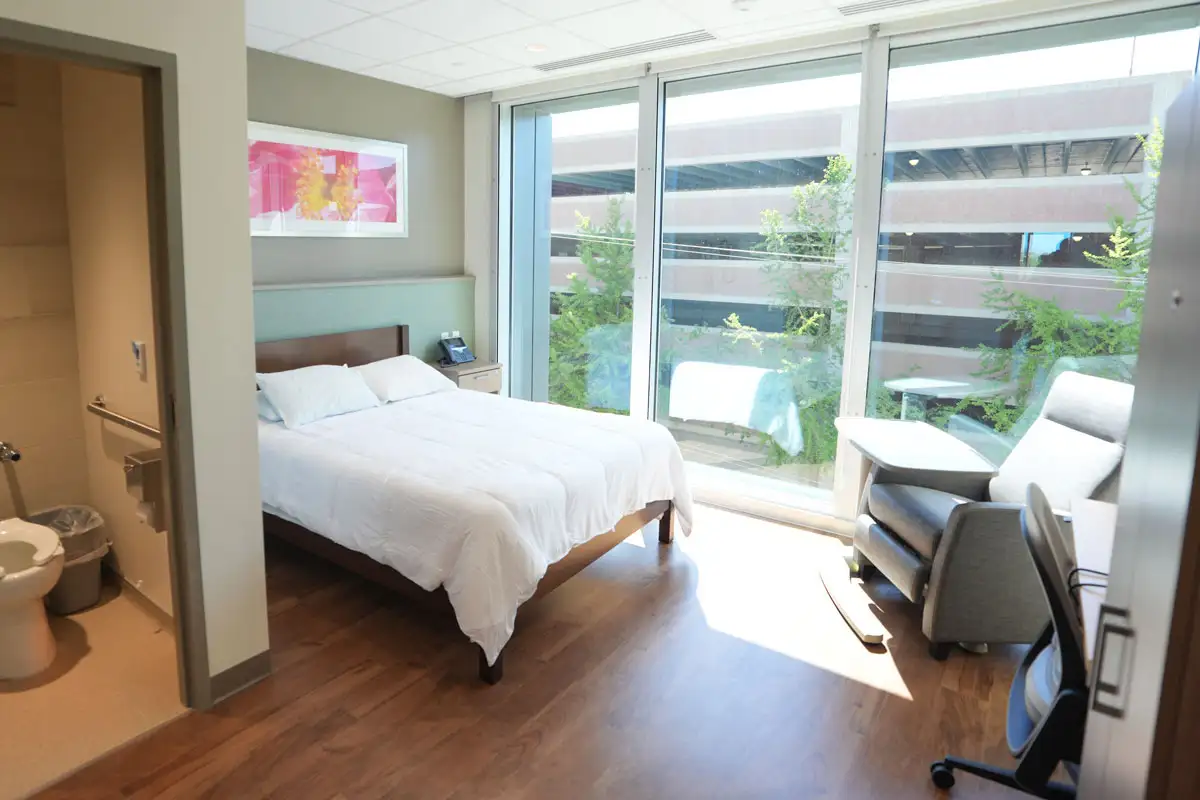
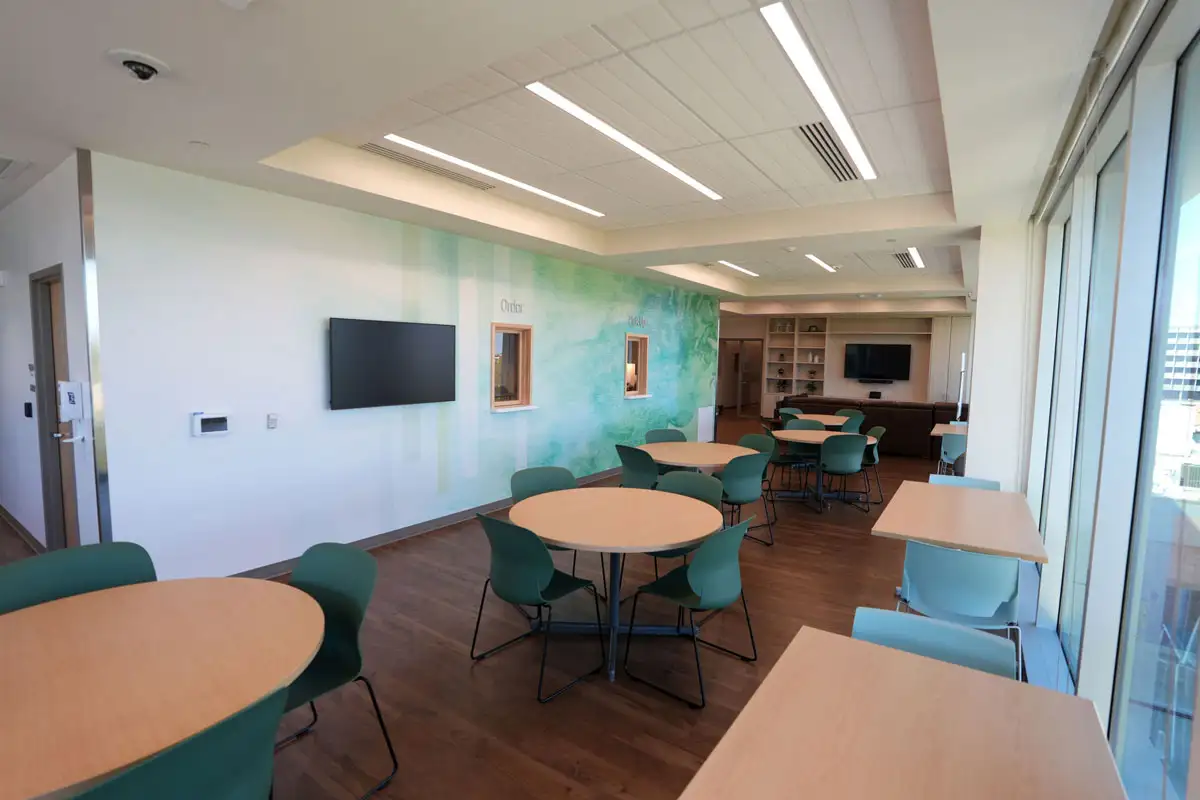
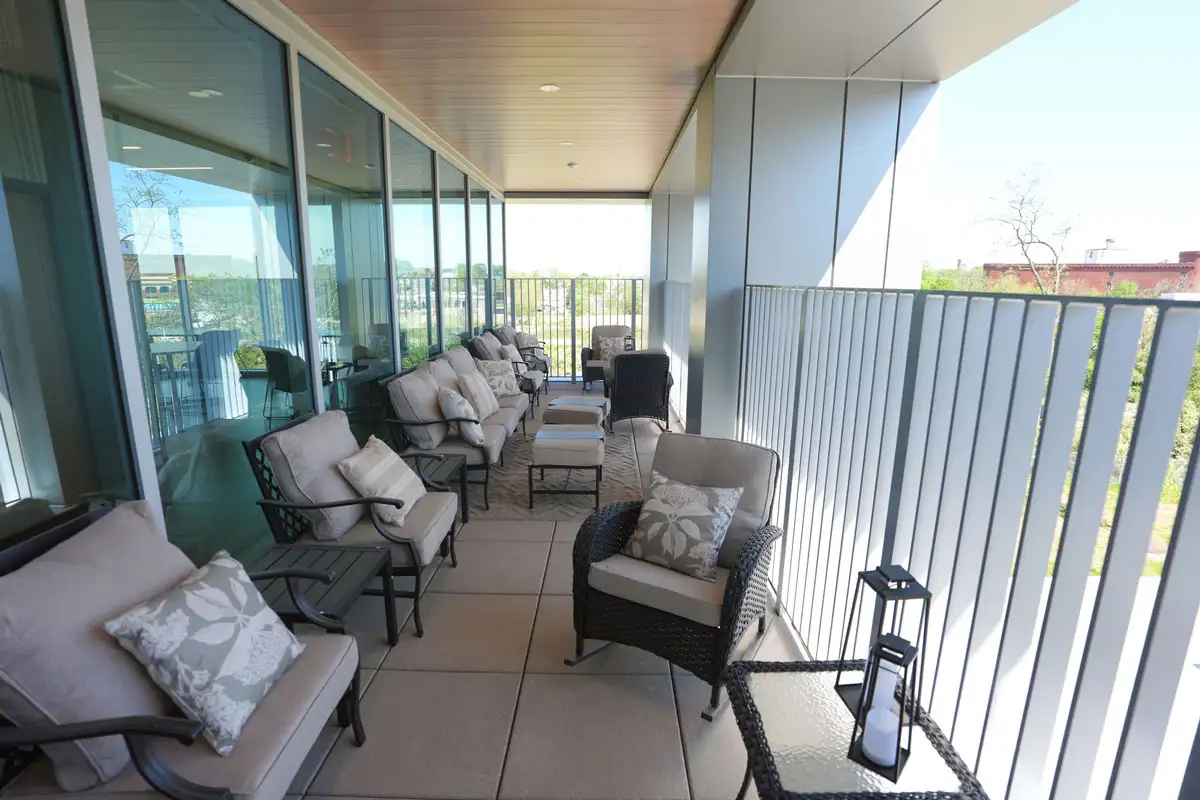
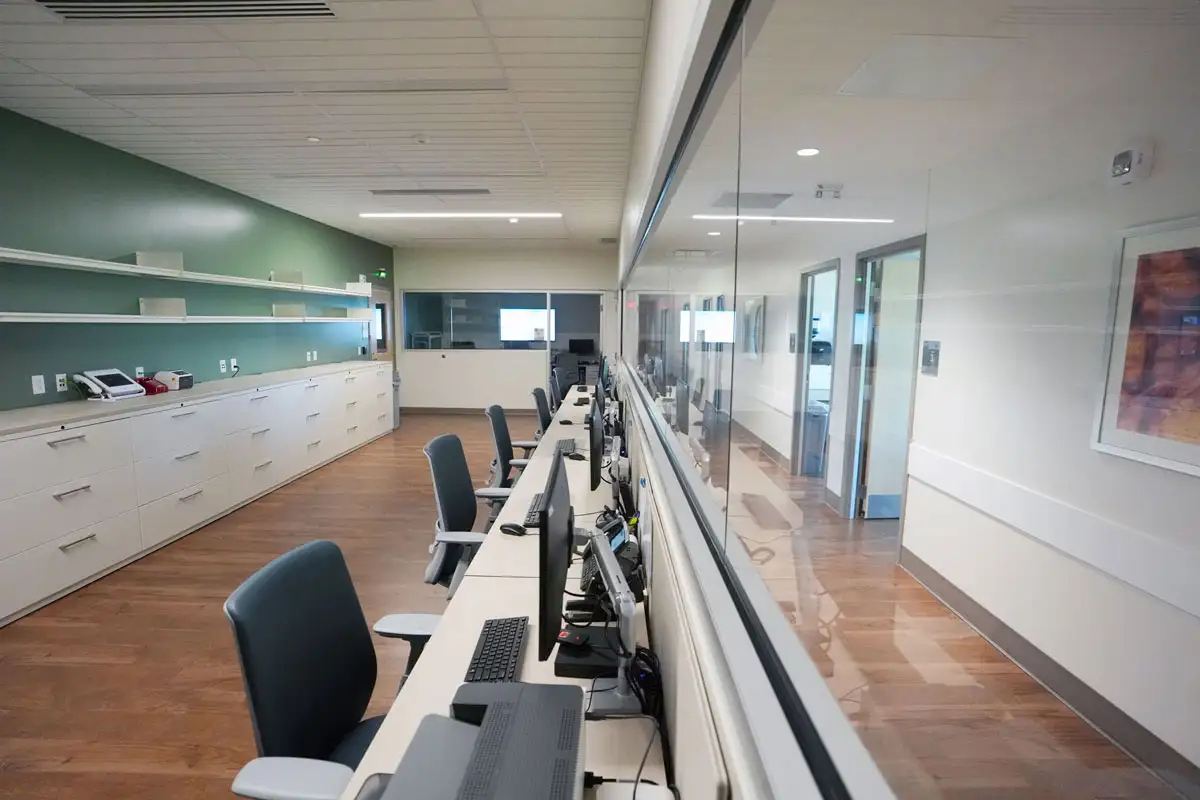
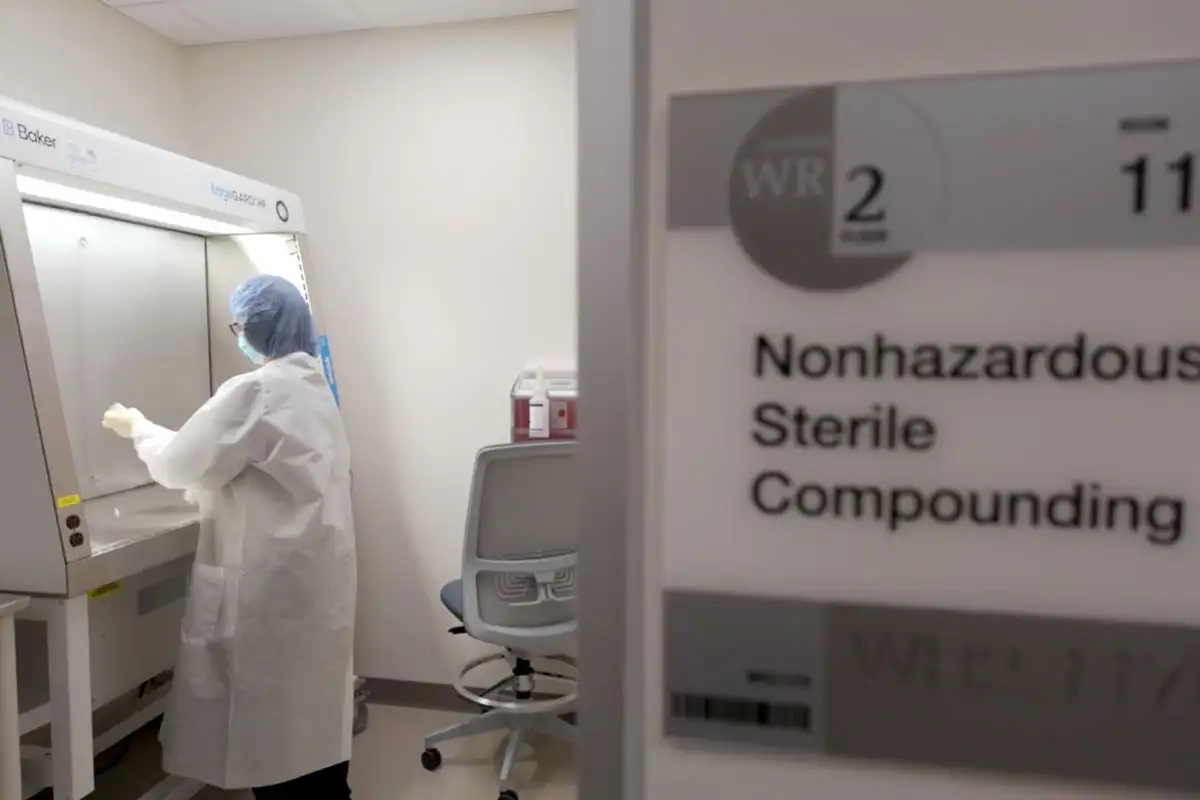
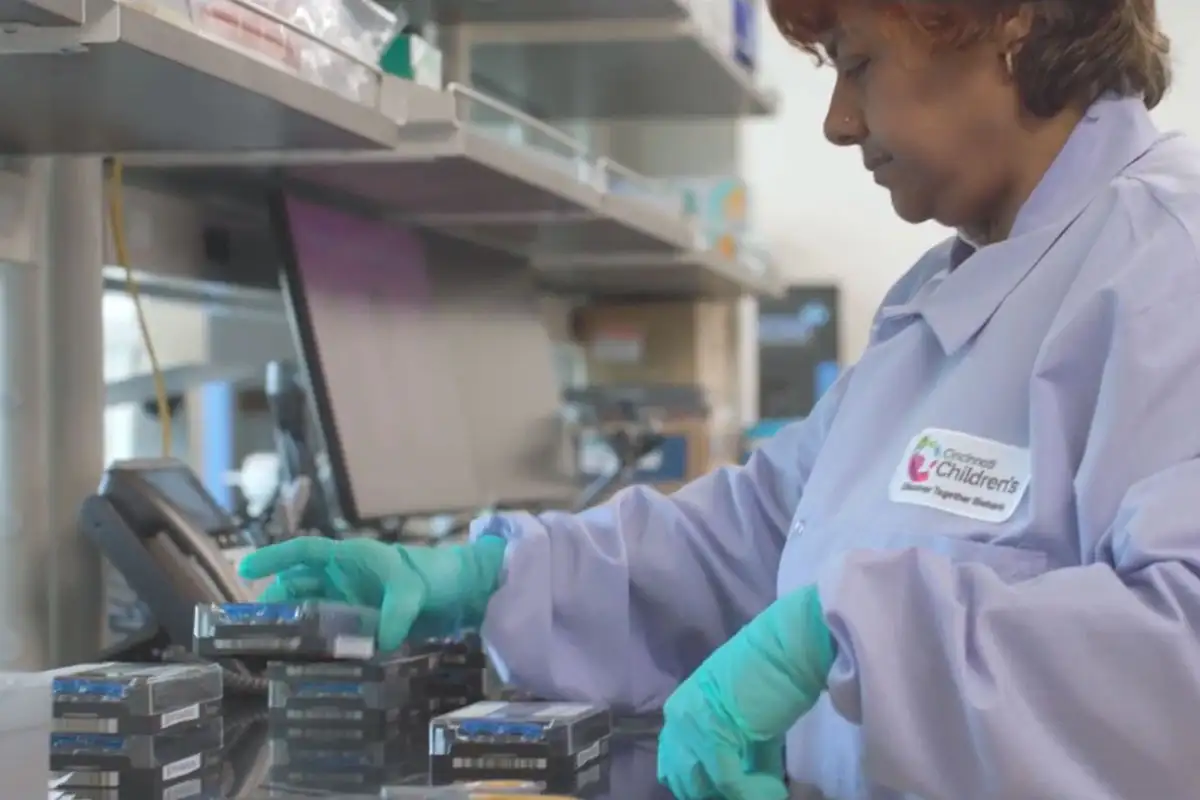
The building at 2850 Winslow Ave., near the Interstate 71 interchange with Martin Luther King Jr. Drive, encompasses nearly 45,000 square feet and houses dozens of Cincinnati Children’s employees. The staff includes physicians, research investigators, research nurses, clinical trial coordinators, data managers, laboratory scientists and investigational pharmacists.
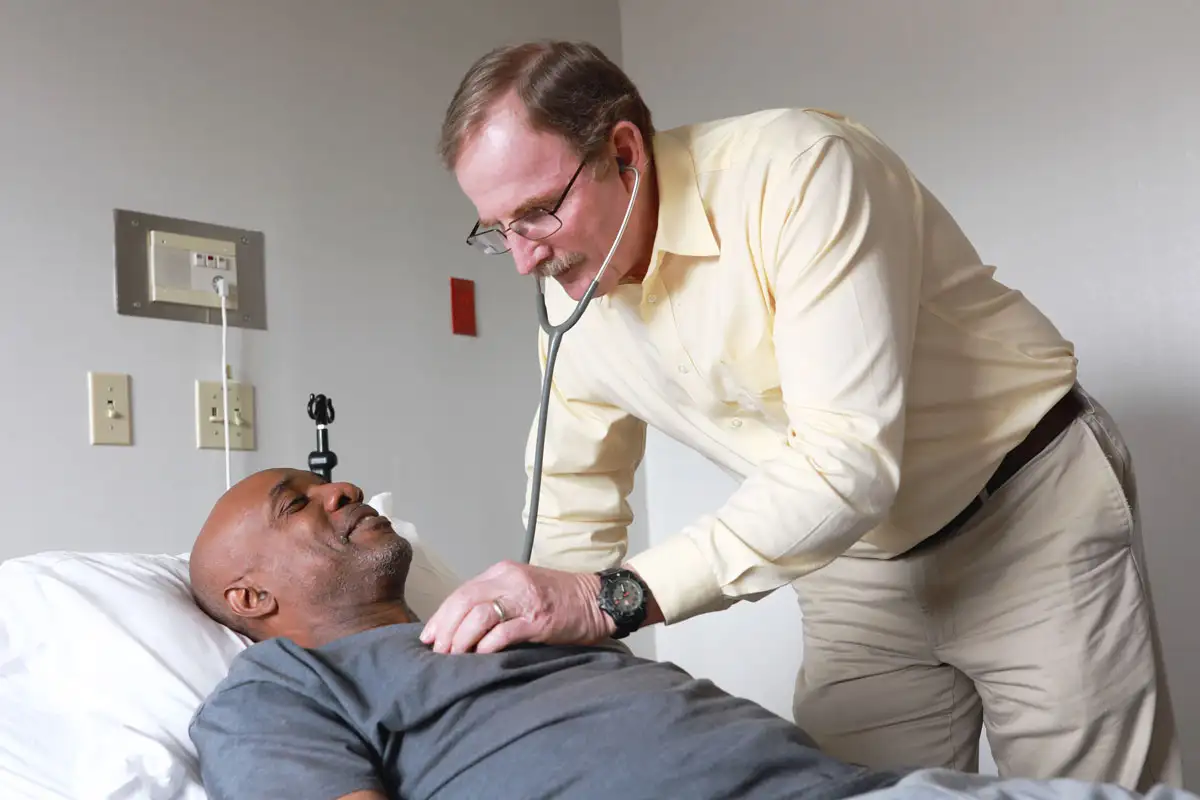
The Vaccine Research Center occupies the top two levels of the three-story building. Outpatient studies and offices are on Level 2, and 16 beds for adult overnight studies are on Level 3. Outpatient studies had been conducted at the Schubert Research Clinic at the Burnet Campus, while overnight vaccine studies involving adults were previously conducted in the Academy Building on Reading Road.
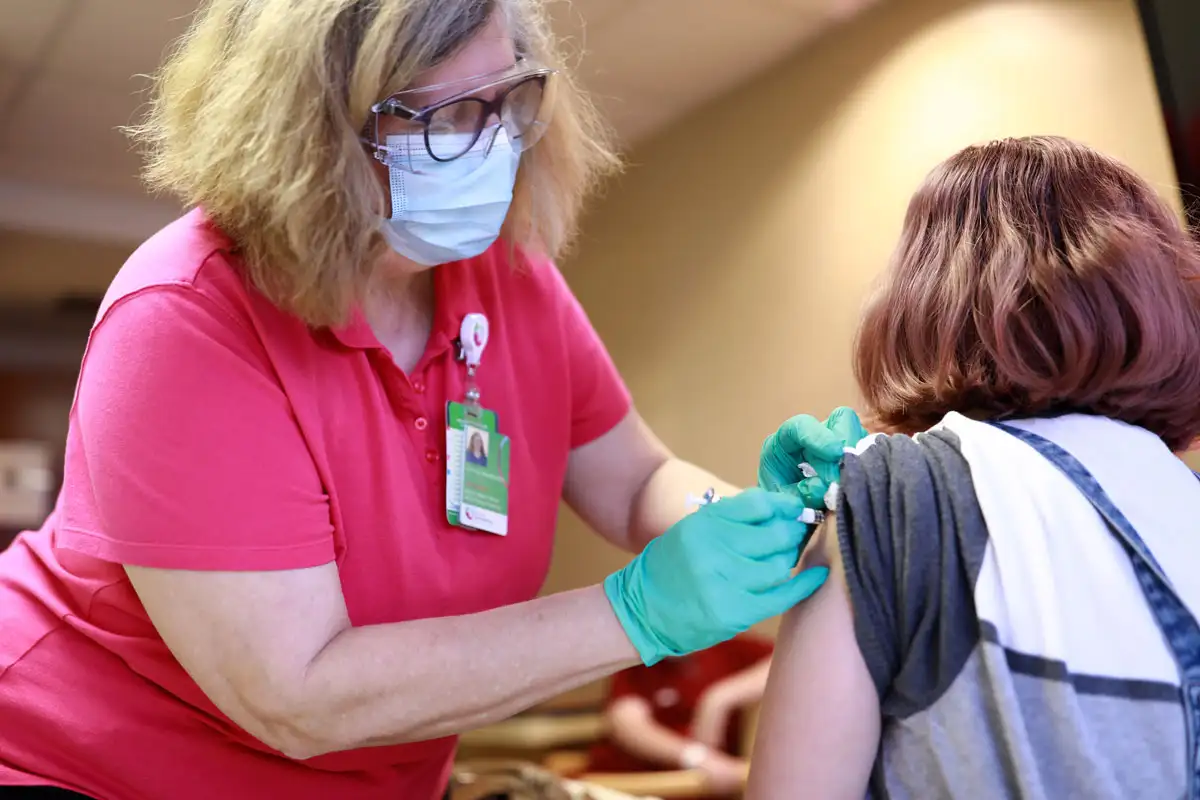
Since 1996, the Vaccine Research Center has enrolled more than 20,000 volunteers in over 250 clinical trials, helping lead the way in the evaluation of many lifesaving vaccines for both children and adults. Fifteen active studies involving about 1,000 volunteers are now underway at the center.
“Infectious diseases are a leading cause of death, and vaccines play a critical role in preventing these illnesses,” says Robert Frenck, MD, director of the Vaccine Research Center. “The innovative design of the new Winslow Research Pavilion enables us to enhance how we evaluate future vaccines that benefit kids. We also conduct clinical trials of vaccines designed to prevent illnesses in adults. Our work focuses on saving lives for people of all ages – here at home and around the world.”
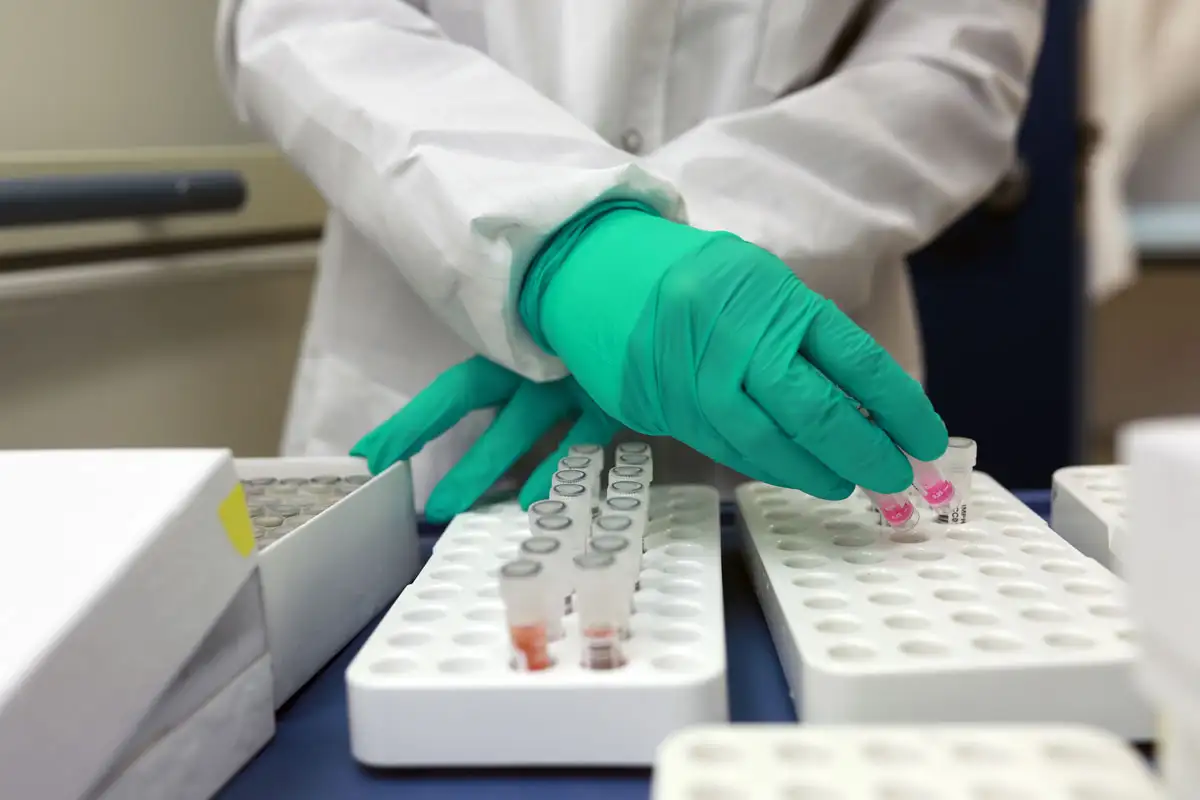
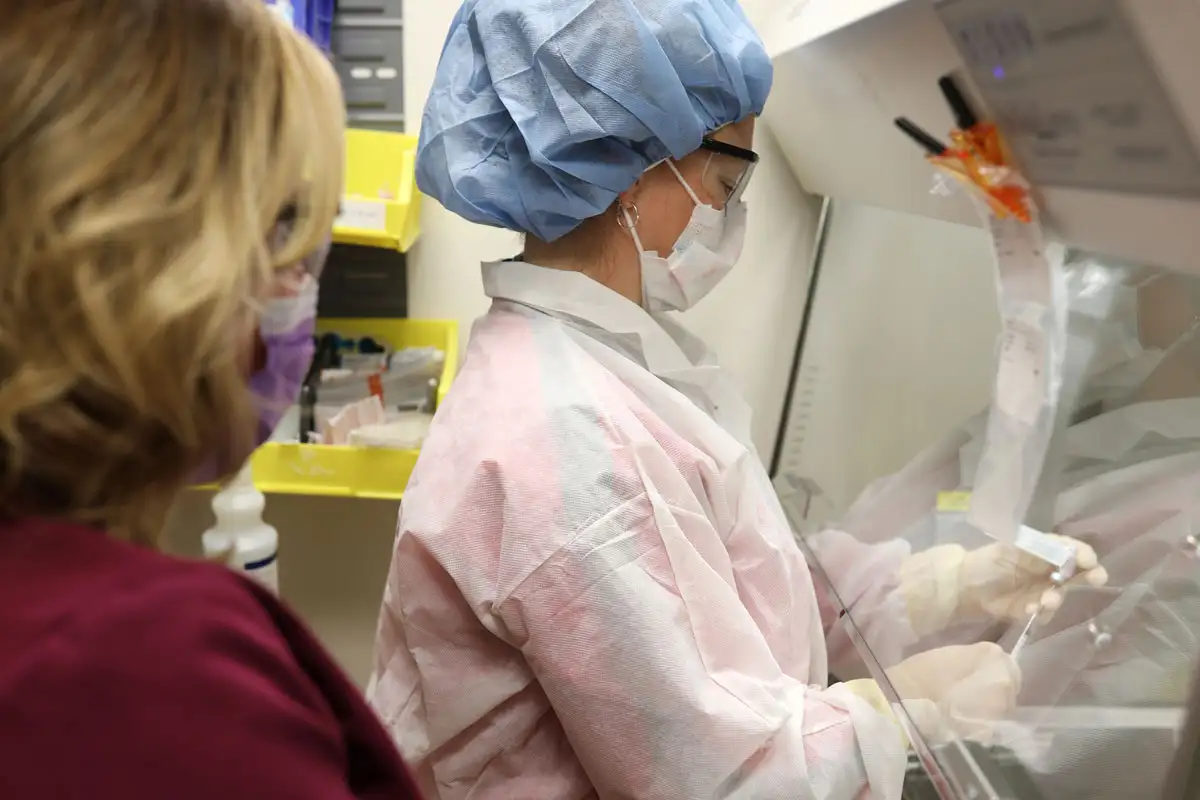
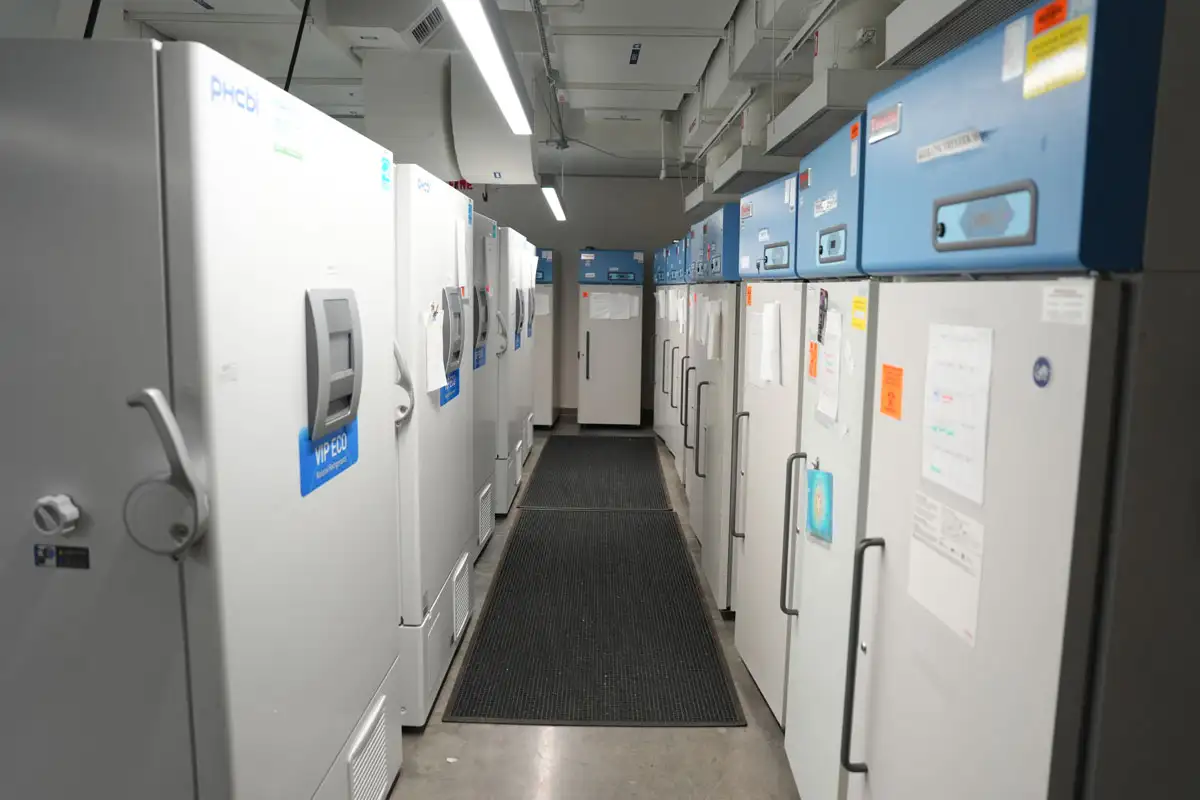
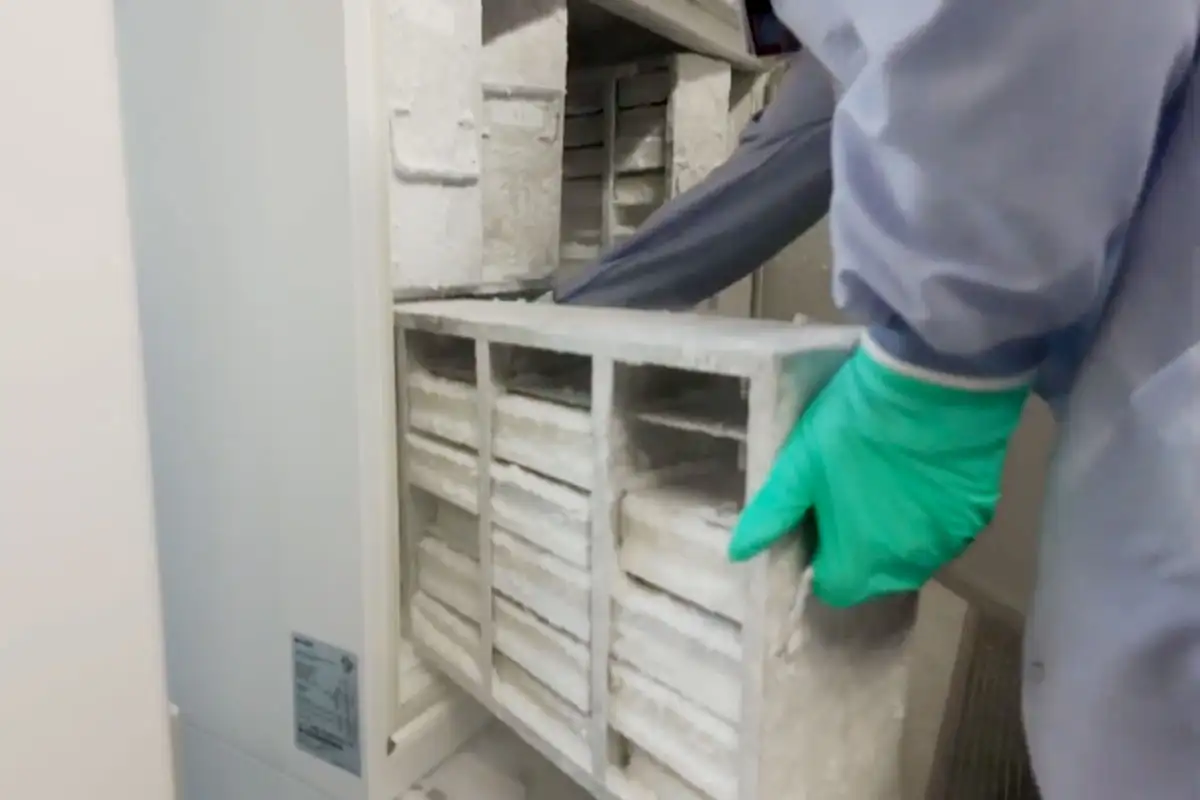
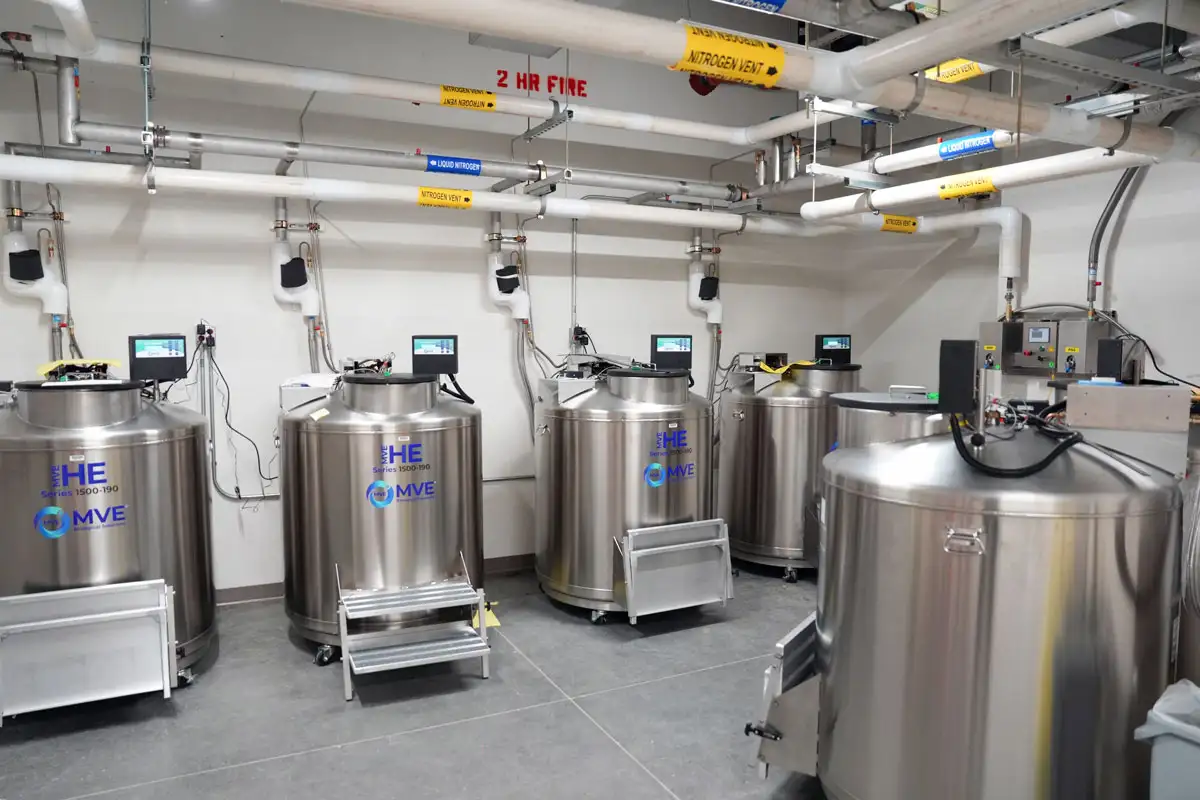
The Discover Together Biobank, which had occupied space at both the Cincinnati Children’s Burnet Campus and the University of Cincinnati’s Reading Campus, now operates expanded sample processing/distribution labs on Level 1 of the Winslow Research Pavilion. The Biobank shares the floor with the Cincinnati Children’s Research Foundation’s Freezer Archive, a new frozen storage location for research samples.
The Biobank, which is actively enrolling, offers researchers access to a wealth of biospecimens and clinical data to accelerate discovery. It also provides access to services for standardized and centralized acquisition, processing, storage and distribution of biospecimens for pediatric research.
The Freezer Archive is installing a state‑of‑the‑art Hamilton BiOS automated −80°C freezer to securely store up to millions of biological samples in a space‑efficient, high‑density system. Automated handling, tracking, and retrieval will support high‑throughput workflows and reduce the time researchers spend locating and managing samples.
“The Winslow Research Pavilion brings the entirety of Discover Together Biobank’s operations together while expanding biobanking capacity and support for the broader Cincinnati Children’s research community,” says Mike Pauciulo, director of the Biobank. “Consolidating our work in one large, state-of-the-art facility improves operational efficiency and increases biospecimen volume, helping drive research discovery and better patient outcomes. This investment reflects Cincinnati Children’s continued commitment to leadership in large-scale pediatric biobanking.”
The Winslow Research Pavilion reflects Cincinnati Children’s long‑standing commitment to advancing pediatric research through strategic investments in people, technology and collaboration. By expanding research capacity and modernizing infrastructure, the health system continues its legacy of translating scientific discovery into better outcomes for children.
Cincinnati Children’s purchased the Winslow Avenue property more than 23 years ago. Construction of the research building began in 2024. Cincinnati Children’s invested $42 million to open the Winslow Research Pavilion, which included design, construction and equipment. This investment in research is a direct investment in the future of child health.
Messer Construction was the design builder overseeing the project. The design team was led by BHDP Architects and included Heapy Engineering, Kleingers, and Schaefer.

Latest Posts
About this blog
The Research Horizons blog features news and insights about the latest discoveries and innovations developed by the scientists of Cincinnati Children's. This blog does not provide medical advice, diagnosis, or treatment. Email researchnews@cchmc.org with questions or ideas.
Subscribe to Our Newsletter