

Fear of Movement Worsens Pain and Fatigue
Research By: Susmita Kashikar-Zuck, PhD
Post Date: September 2, 2024 | Publish Date: September 2024

MBHI: Behavioral Medicine and Clinical Psychology | Top Scientific Achievement

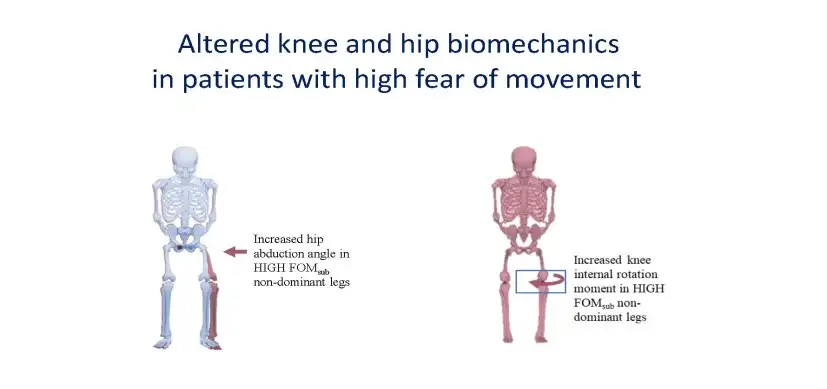
Research, led by Susmita Kashikar-Zuck, PhD, reveals that adolescents with juvenile fibromyalgia (JFM) who fear movement experience more fatigue, pain interference, and show measurable differences in strength and movement mechanics.
The study, published in September 2024, in the Journal of Pain, was part of the recently completed multi-center FIT Teens clinical trial. The team compared 135 youth with JFM who reported having high, medium, or low fear of movement (FOM) based on the Tampa Scale of Kinesiophobia-11.
Teens with high FOM reported significantly greater fatigue, pain interference, and pain catastrophizing than their peers. They also demonstrated weaker knee strength and altered lower-limb motion during a landing and jumping task—patterns that could increase the risk of injury or reinforce pain avoidance.
“These findings help explain how psychological fear and physical function interact in chronic pain,” Kashikar-Zuck says. “Understanding both allows us to design interventions that break the cycle of pain and avoidance.”
The study highlights the need for treatment approaches that combine cognitive-behavioral therapy with targeted neuromuscular training—strategies being tested in the FIT Teens program. By addressing both mental and biomechanical contributors to pain, researchers aim to reduce fear-driven inactivity, enhance physical therapy engagement, and improve functional outcomes.
Next steps include examining whether reducing FOM through psychologically informed specialized exercise therapy can lead to measurable gains in strength, movement control, and daily functioning, and whether this combined approach can also be used in other painful musculoskeletal conditions. The findings may inform precision rehabilitation programs for youth with chronic musculoskeletal pain, helping them rebuild confidence in their bodies while managing symptoms.
“When teens learn that movement can be safe, it changes how they think and how they move,” Kashikar-Zuck says. “That’s when recovery begins.”
About the study
Cincinnati Children’s co-authors also included Staci Thomas, PhD, and Scott Bonnette, PhD. Experts from these institutions also collaborated: the University of Kansas Medical Center, Exponent Inc., Emory University School of Medicine, The Ohio State University Wexner Medical Center, and Connecticut Children’s Medical Center.
This research was supported by the National Institute of Arthritis and Musculoskeletal and Skin Diseases of the National Institutes of Health (R01AR070474 and P30AR076316).
Explore the 2025 Research Annual Report
Don’t Miss a Post:
- Subscribe to the Research Horizons Newsletter
- Follow Cincinnati Children’s Research Foundation on Bluesky, X and LinkedIn
| Original title: | Comparison of Pain Characteristics, Strength, and Movement Patterns in Adolescents With Juvenile Fibromyalgia and High Versus Low Fear of Movement |
| Published in: | Journal of Pain |
| Publish date: | September 2024 |
Research By


Latest Posts
About this blog
The Research Horizons blog features news and insights about the latest discoveries and innovations developed by the scientists of Cincinnati Children's. This blog does not provide medical advice, diagnosis, or treatment. Email researchnews@cchmc.org with questions or ideas.
Subscribe to Our Newsletter