

What Improves Quality of Life for Children with Brachial Plexus Birth Injury?
Research By: Roger Cornwall, MD
Post Date: May 1, 2026 | Publish Date: May 1, 2026

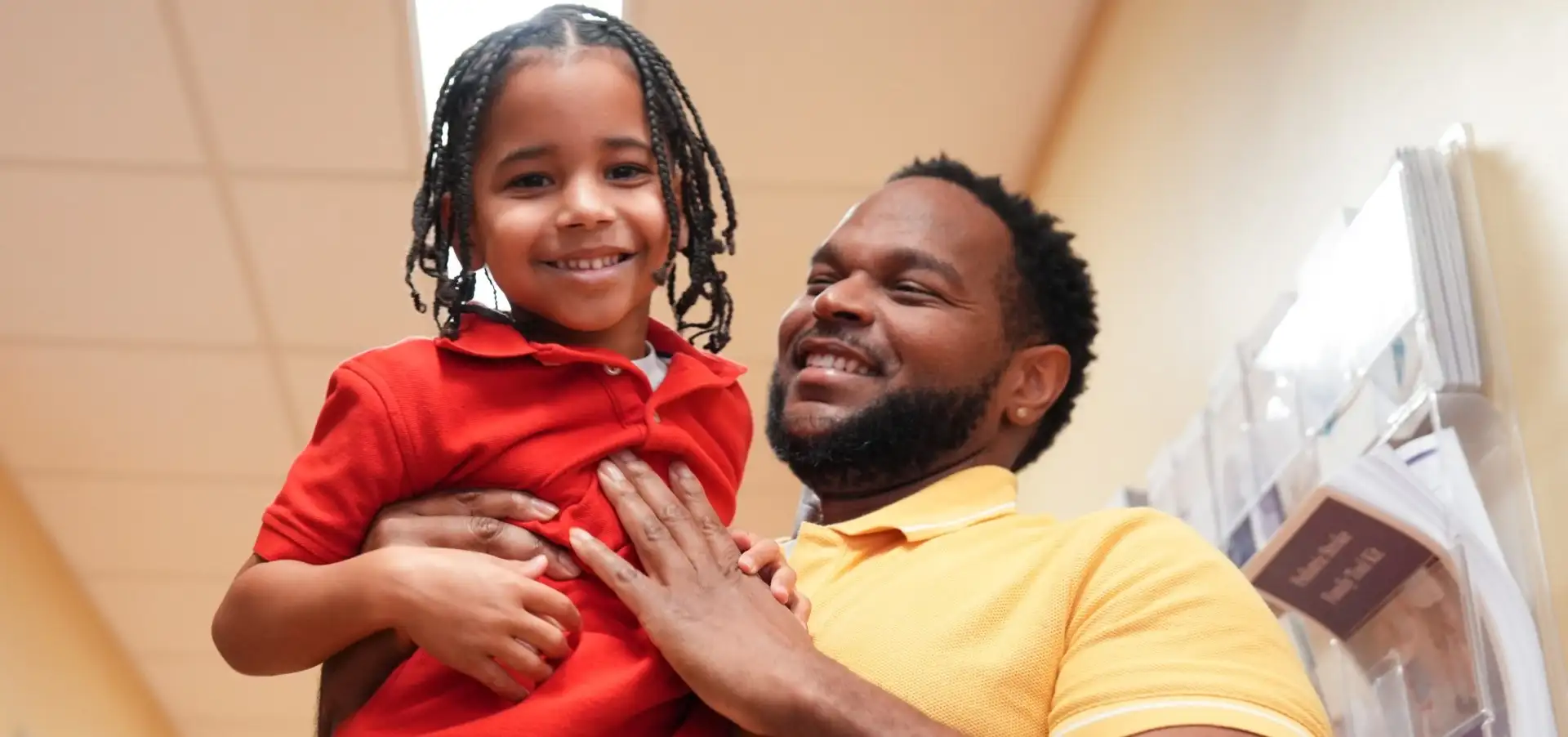
A multicenter study co-led by Cincinnati Children’s finds that social relationships, pain and other factors can matter more than arm function
When we talk about childhood injuries, it’s tempting to focus on what we can see and measure: strength, movement, range of motion. But what if those physical markers don’t tell the full story of how children are actually doing?
A new multicenter study co-led by researchers at Cincinnati Children’s, published May 1, 2026, in JAMA Network Open found that children’s quality of life after brachial plexus birth injury (BPBI) is driven less by arm function than by psychosocial factors and pain.
“These results are important because they help us focus care on what truly affects quality of life for children—not just physical function, but social function, emotional health, and pain,” says pediatric hand surgeon and senior author Roger Cornwall, MD.
Understanding Brachial Plexus birth injury
BPBI occurs when the network of nerves controlling the shoulder, arm and hand is damaged during birth. It affects about 1 to 3 infants per 1,000 live births, making it the most common serious birth injury. While many children recover, roughly one-third experience permanent nerve damage, leading to long-term differences in movement, sensation, or appearance.
Treatments have improved dramatically over the years, especially surgical and rehabilitative approaches aimed at restoring function. As none of these approaches are curative, we now need to prioritize factors that matter most to patients—an issue that has remained an open question.
Measuring more than Function
To explore this gap, researchers recruited 207 children aged 8–18 years from four major pediatric centers across North America. Instead of focusing only on physical exam findings, the study took a more holistic approach using the World Health Organization’s International Classification of Functioning, Disability, and Health (ICF) framework.
This meant looking not just at bodies and movement, but also at:
- Emotional well-being
- Pain and discomfort
- Self-image and stigma
- Peer and family relationships
- Participation in daily activities
On average, children with BPBI reported lower overall quality of life than the general population. But when researchers analyzed which factors mattered most, the results were unexpected.
Measures like motor function and joint structure—often the primary focus of treatment—showed only weak connections to overall well-being. Instead, the strongest links came from emotional functioning, pain, family and peer relationships, and experiences of stigma.
“For decades we have focused almost exclusively on improving specific physical functions of the affected arm. For the first time, we now know that it is not just the physical function, and not even just the arm that needs care. We need to consider the whole child and the family too,” says Cornwall.
looking ahead
This study challenges a long-standing assumption in BPBI care: that better physical outcomes are what lead to better lives.
While surgery and therapy remain essential, the findings underscore the importance of addressing pain, mental health, and social connection alongside physical function.
By shifting how success is defined—from movement alone to lived experience—this work highlights a more holistic approach to caring for children with visible and hidden differences.
“Sometimes, the most impactful care begins with a simple question: ‘How is this child doing?’” says Cornwall.
About the Study
Cincinnati Children’s co-authors of the study included Tamara Al-Muhtaseb, MS, and Melissa Miller, APRN, from the Division of Orthopedic Surgery and Jenny Dorich, PhD, ORT/L, MBA, CHT, and Allison Allgier, OTR/L, OTD, from the Division of Occupational and Physical Therapy.
Additional co-authors included experts from Boston’s Children’s Hospital, Shriners Children’s Northern California, Children’s Hospital of Philadelphia and Hospital for Sick Children.
Funding for the study included the Pediatric Orthopedic Society of North America.
Don’t Miss a Post:
- Subscribe to the Research Horizons Newsletter
- Follow Cincinnati Children’s Research Foundation on Bluesky, X and LinkedIn
| Original title: | Children’s Health-Related Quality of Life After Brachial Plexus Birth Injury |
| Published in: | JAMA Network Open |
| Publish date: | May 1, 2026 |
Research By


Latest Posts

About this blog
The Research Horizons blog features news and insights about the latest discoveries and innovations developed by the scientists of Cincinnati Children's. This blog does not provide medical advice, diagnosis, or treatment. Email researchnews@cchmc.org with questions or ideas.
Subscribe to Our Newsletter