

CuSTOM Accelerator Wins NIH Replication ‘Exemplar’ Prize
Research By: Magdalena Kasendra, PhD
Post Date: May 20, 2026 | Publish Date:

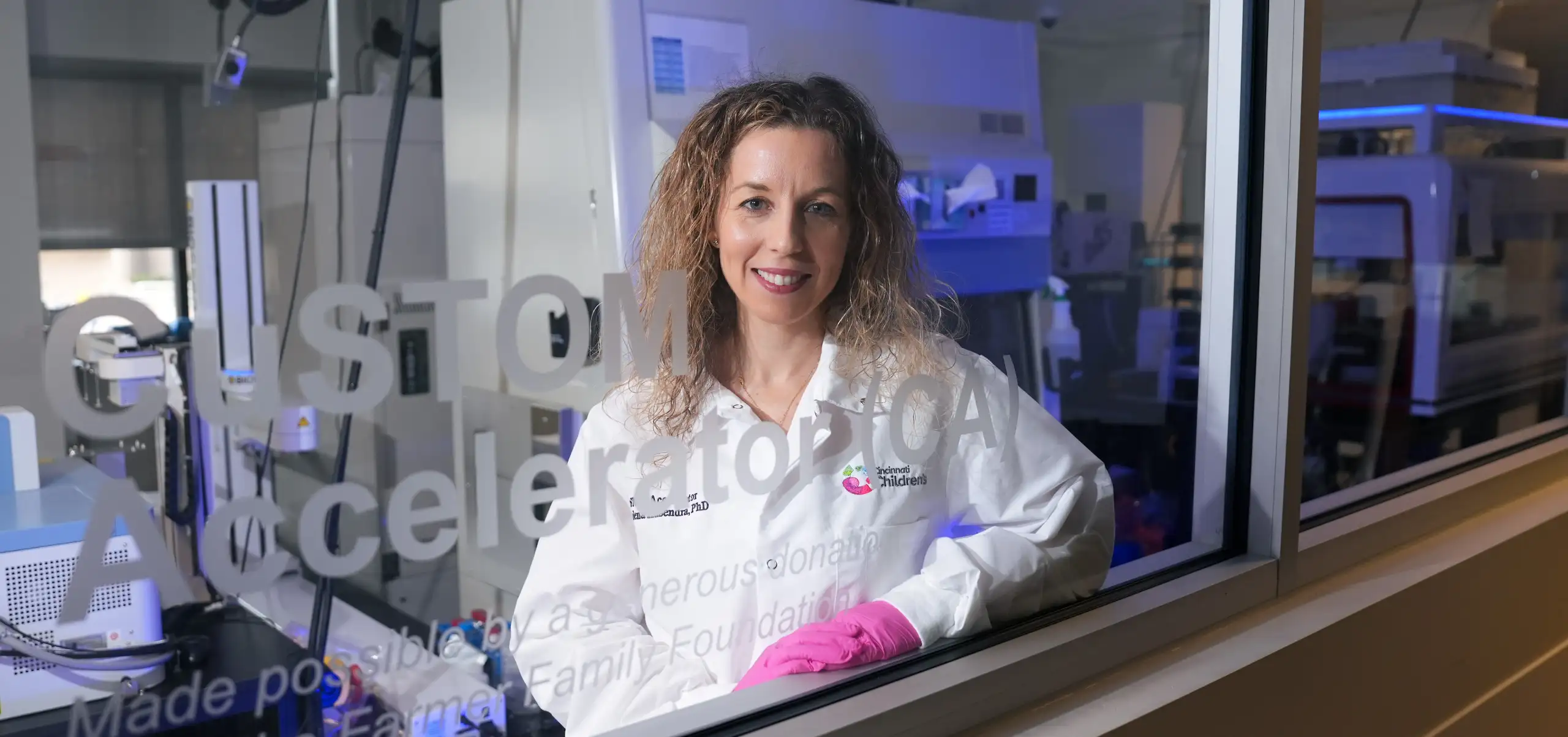
Honor recognizes progress in making important areas of biomedical research more replicable. Each of 15 winners awarded $50K
Cincinnati Children’s CuSTOM Accelerator is one of 15 research labs nationwide to be named a Replication Exemplar in a national competition held by the National Institutes of Health Common Fund.
The CuSTOM Accelerator, directed by Magdalena Kasendra, PhD, was recognized for its work advancing a human liver organoid platform as a New Approach Methodology (NAM) for predictive toxicology and translational medicine.
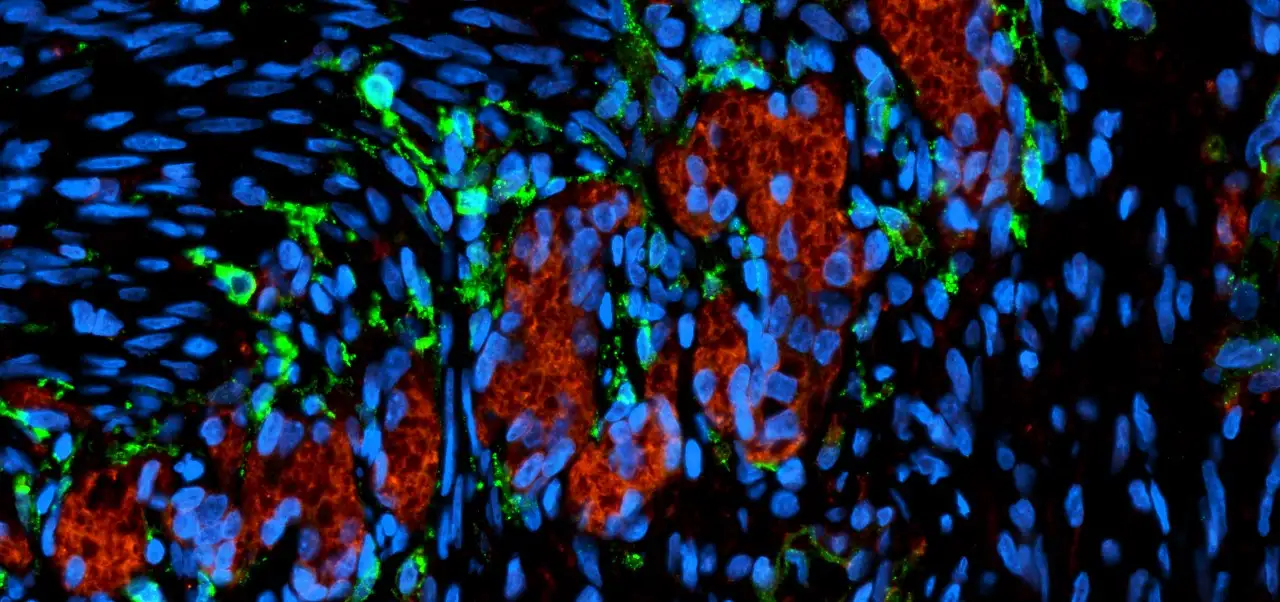
In 2021, a team led by Cincinnati Children’s liver organoid expert Takanori Takebe, MD, PhD, published a study in Gastroenterology describing a landmark human liver organoid (HLO) assay for drug-induced liver injury (DILI). The CuSTOM Accelerator transformed that assay into a scalable, automation-compatible platform capable of generating reproducible results across multiple donor lines, production batches, operators, and translational settings.
The work established a robust framework integrating matrix-free organoid manufacturing, robotic workflow execution, high-content imaging, artificial intelligence (AI)-enabled phenotypic analysis, and prospective quality-control systems to support reliable, transferable, and human-relevant drug safety testing.
“This recognition reinforces CuSTOM Accelerator’s leadership in advancing NAMs and demonstrates that complex human organoid systems can be translated into standardized, reproducible, scalable, and deployable solutions capable of supporting improved human-centered decision making,” Kasendra says. “Our goal was not simply to reproduce a published study, but to establish a model-system-agnostic translational framework that integrates population-scale biology, automation, artificial intelligence, and high biological fidelity into robust human-relevant infrastructure for drug development, safety assessment, and future regulatory applications.”
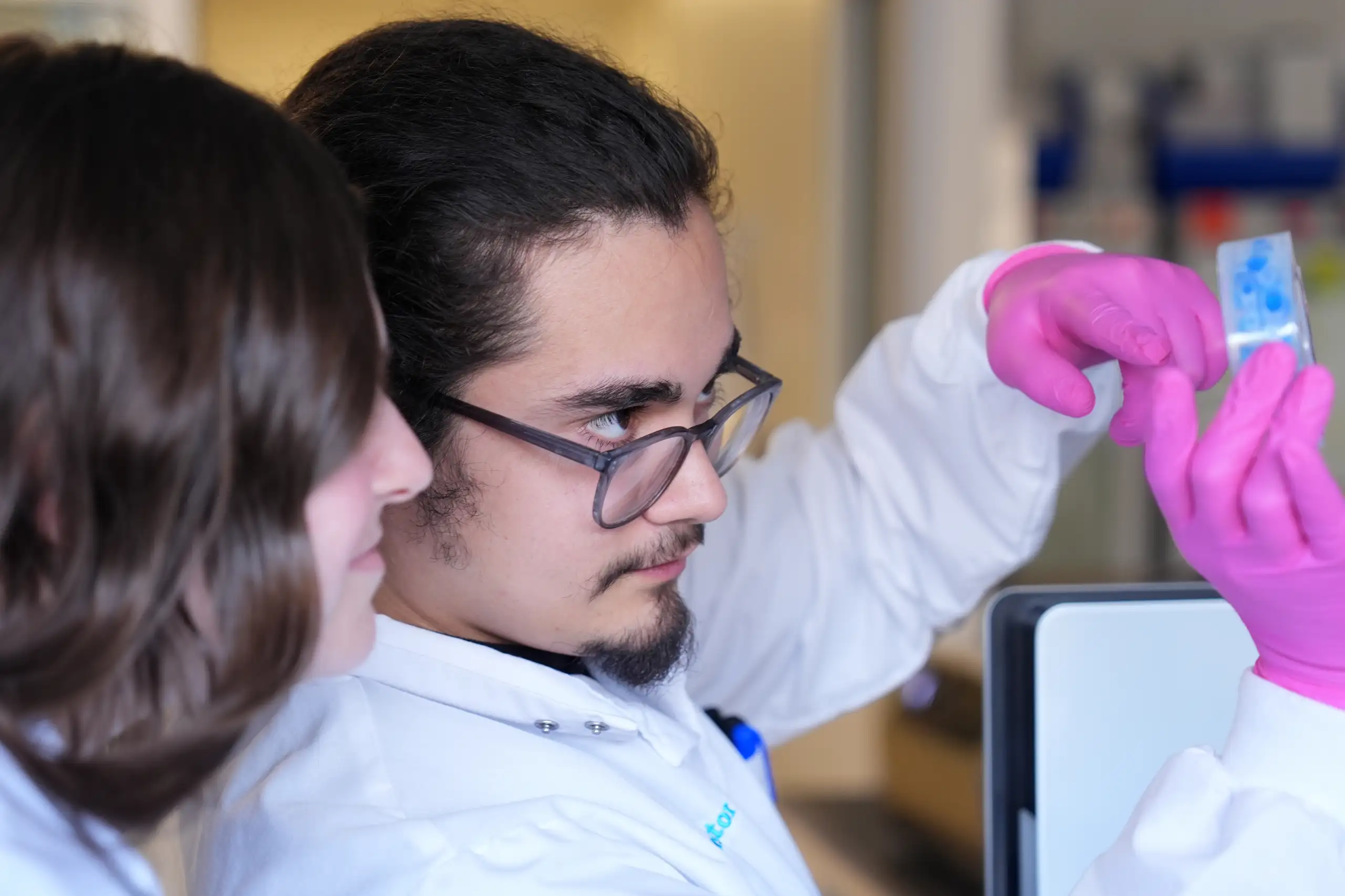
The NIH Replication Prize, launched in collaboration with NASA Tournament Lab, addresses a major challenge in biomedical research: the difficulty of reproducing published findings due to variability in biological systems, incomplete methodological standardization, and lack of operational reproducibility. The initiative aims to promote replication as a foundational element of translational research rather than a secondary validation step.
The CuSTOM Accelerator platform successfully reproduced clinically relevant hepatotoxicity signatures while substantially improving reproducibility, variance control, throughput, and scalability through implementation of standardized microcavity-guided organoid manufacturing, robotic liquid handling, automated imaging, and AI-enabled toxicity analysis.
The platform now serves as foundational translational infrastructure within the CuSTOM Accelerator and is being leveraged across industry collaborations. Large-scale translational programs include the ARPA-H-supported CATALYST program and the NIH Common Fund-supported Complement ARIE project, as well as broader CuSTOM initiatives focused on de-risking and advancing deployable NAMs.
In addition to Kasendra’s scientific and programmatic leadership, key technical leadership was provided by Sina Dadgar, PhD, who led automation engineering, AI-enabled imaging pipelines, and computational toxicity analytics. Fadoua El Abdellaoui Soussi, PhD, led biological optimization and organoid workflows. The multidisciplinary team also included Clark Bacon, Alok Verma, Yemisi Campbell, Aparna Trivedi, Masaki Kimura and Valerine Rajathi.
Contest officials say a video of Exemplar winners discussing their winning replication strategies will be available soon. These strategies will also be compiled and published as a publicly available reference on the NIH website this summer.
Research By
I lead a multifaceted effort to translate discoveries in stem cell biology and organ development into innovative organoid-based solutions to address unmet medical needs.
Latest Posts

About this blog
The Research Horizons blog features news and insights about the latest discoveries and innovations developed by the scientists of Cincinnati Children's. This blog does not provide medical advice, diagnosis, or treatment. Email researchnews@cchmc.org with questions or ideas.
Subscribe to Our Newsletter