

Road to Researcher: Kathryn Wikenheiser-Brokamp, MD, PhD
Research By: Kathryn Wikenheiser-Brokamp, MD, PhD
Post Date: August 19, 2026 | Publish Date:

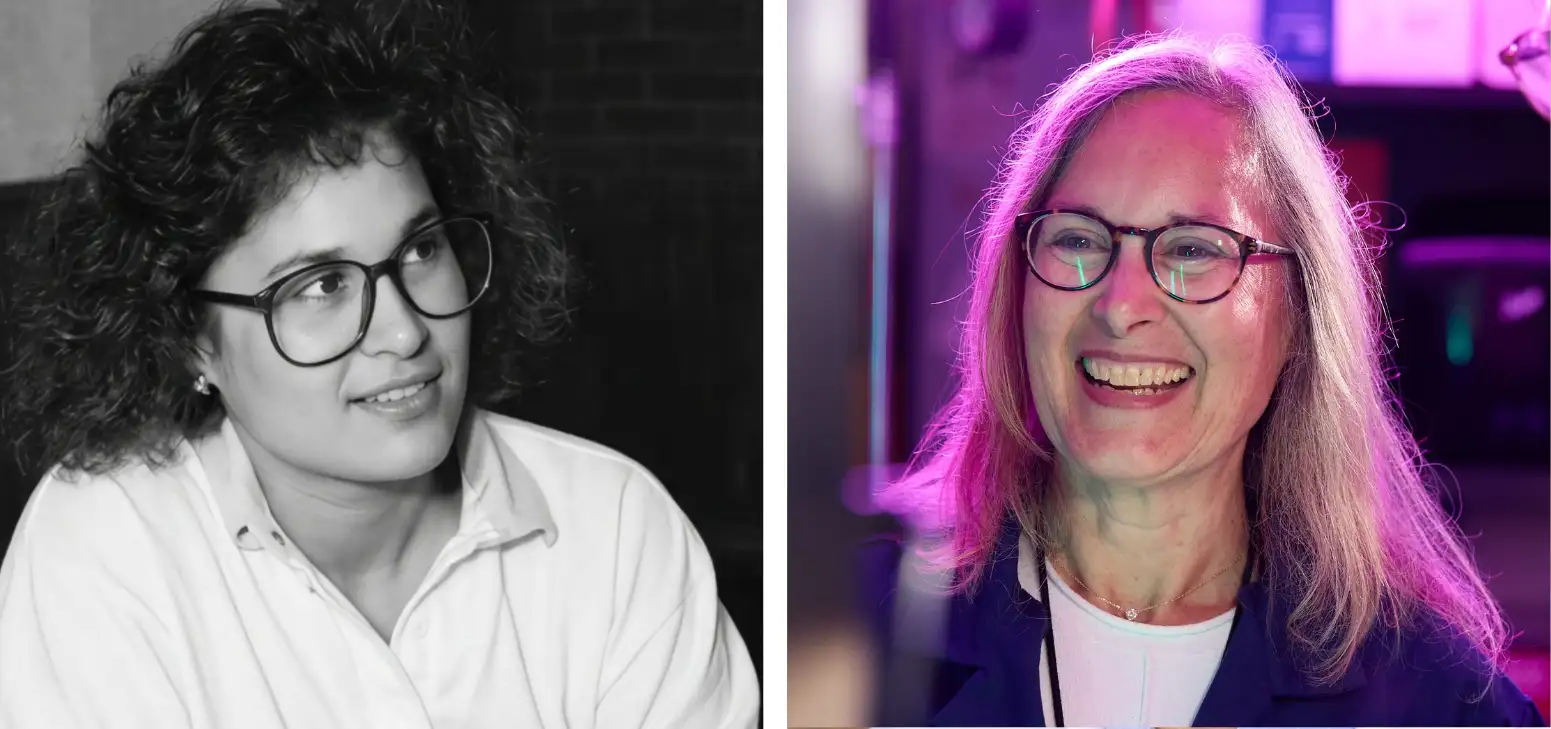
The pulmonary pathologist reflects on the mentors who encouraged her to take risks, the unexpected turns that led to her field, and why Cincinnati Children’s has remained the ideal place to pursue both research and medicine.
For Kathryn Wikenheiser-Brokamp, MD, PhD, a single conversation changed the course of her career. As a college senior preparing to become a high school science teacher, she was asked a simple question by her mentor, the chair of Education: Will you be happy teaching high school students for the rest of your life? This question led her down an unexpected path—from aspiring educator to physician-scientist whose work is helping uncover the biological mechanisms driving lung development and disease.
Today, Wikenheiser-Brokamp combines clinical expertise in pulmonary pathology with a passion for discovery, leading research that bridges the laboratory and the clinic to improve care for children with lung disease. Along the way, she has built a career shaped by curiosity, collaboration and a commitment to teaching the next generation of clinicians, researchers and physician-scientists.
Wikenheiser-Brokamp recently reflected on the mentors who encouraged her to take risks, the unexpected turns that led her to pathology, and why Cincinnati Children’s has remained the ideal place to pursue both research and medicine. She also shared advice for early-career researchers, the values that continue to guide her work and the lessons she hopes to pass on to those who follow in her footsteps.
Describe your path to Cincinnati Children’s. What drew you here?
I initially planned to teach high school biology, chemistry and mathematics after graduating from the University of Mary in Bismarck, North Dakota. But a conversation with my education mentor prompted me to reconsider that path. Shortly after he presented me with the university’s education award, he questioned whether I thought I would be happy in that career. That really made me pause and think more deeply about what I wanted professionally.
I decided to pursue an advanced degree immediately rather than begin teaching and working toward a PhD during the summers. But by the time I made that decision, it was too late to apply to graduate programs, so I took a gap year completing graduate-level biology courses and working in restaurants to save money so that I could fully immerse myself in graduate school.
I was interested in medicine, but because I was more drawn to understanding the underlying mechanisms of disease, I ultimately opted not to pursue an MD. As I began exploring PhD programs, I received a mailer about the University of Cincinnati’s Developmental Biology graduate program. I chose the PhD pathway hoping it would provide a career environment centered on discovery, inquiry and lifelong learning.
Cincinnati immediately appealed to me because the graduate program was closely connected to a children’s hospital. I was particularly interested in asking questions about human disease and development. Doing research in a graduate program linked to a hospital caring for children provided an optimal environment to study development, which fascinated me.
During my three-day interview in Cincinnati, I was struck by how engaged and enthusiastic the students were and by the collegiality of the faculty. The late James Lessard [PhD], who directed the Developmental Biology graduate program, even picked me up at the airport. Throughout the visit, I was impressed by how quickly people responded, how accessible the faculty were and how interactive the research environment felt.
By the end of my visit to Cincinnati, I felt strongly that I had found a place where I could not only pursue rigorous science but also become part of a highly collaborative scientific community.
What inspired you to become a physician-scientist?
I felt strongly that if I was going to study human disease using tissue-based approaches, I needed a solid understanding of anatomy. I was fortunate to be able to participate in an intensive summer gross anatomy course alongside medical students. During that course, I met an MD/PhD student who encouraged me to meet with Judith Harmony [PhD], the founding director of the University of Cincinnati’s medical scientist training program. She was excited to learn more about me and encouraged me to apply to the MD/PhD program as she could see that my goals aligned perfectly with those of the program.
I was accepted into the MD/PhD program during my first year of PhD training, but by then I had joined Jeffrey Whitsett’s [MD] laboratory to study pulmonary developmental biology and had already developed a genetically engineered mouse model with a phenotype that I found particularly compelling. I was deeply invested in understanding the phenotype in that model and did not want to step away from the project.
So, I continued my lab work throughout the first two years of medical school. After completing my first medical board examination, I returned to the lab full time. I found the process of experimentation and discovery incredibly rewarding and exciting. I was eager to arrive each morning and see what the experiments had revealed.
As I began considering my clinical specialty, I initially thought about neonatology and pediatrics. Dr. Whitsett was a neonatologist, and I was deeply interested in developmental biology. During my clinical rotations, however, I came to appreciate that many of the most complex and diagnostically interesting cases in the hospital ultimately come to pathology—and I recognized that pathology offered an ideal intersection of clinical medicine and scientific inquiry—which prompted another switching of gears. By my fourth year of medical school, I decided to go the pathology route.
When I finished my residency and a research-focused fellowship at Washington University in St. Louis and was ready to search for my first faculty position, I fulfilled my promise to reconnect with Cecelia Fenoglio-Preiser [MD], who led UC’s Department of Pathology and Laboratory Medicine and was expanding UC’s pathology research program. I interviewed with faculty at both UC and Cincinnati Children’s, including Thomas Boat [MD], and what stood out was the strong integration of clinical medicine and research across both institutions. I wanted to pursue pulmonary biology research that could span both adult and pediatric medicine, and Cincinnati offered an environment where I could do exactly that.
What makes Cincinnati Children’s stand out as a place to build a research career?
I returned to Cincinnati as faculty in 2003 as an attending pathologist and established my lab at UC. In 2007, I moved my lab to Cincinnati Children’s. In many ways, I came back for the same reasons I had chosen Cincinnati Children’s as a graduate student: The institution has an exceptionally collaborative environment in which science and medicine are deeply interconnected.
There were also leaders here who understood and supported the unique challenges and opportunities of being a physician-scientist, including Dr. Fenoglio-Preiser and Dr. Boat. Their support reinforced for me that Cincinnati Children’s was a place where I could integrate my clinical and research careers rather than having to choose between them.
What has surprised you most about being here—whether culturally, professionally or scientifically?
The pace and scale of growth have been remarkable. Cincinnati Children’s has expanded substantially, both spatially and in the number and diversity of people who contribute to its mission.
I have also been struck by how much research has evolved. When I was a student and early faculty member here, the research environment was heavily focused on basic, mechanistic and developmental biology—the foundation of health and disease that fascinates me to this day. The scope of research has expanded tremendously since then. Today, there is an extraordinary breadth of scientific approaches and disciplines represented across Cincinnati Children’s Research Foundation.
What advice would you give to someone just beginning their research career?
Follow your passion. Research requires an enormous amount of persistence, curiosity and commitment, so it’s important to pursue questions that genuinely matter to you.
If you have a question you are passionate about and a research direction you believe in, pursue it. There will always be uncertainty in a scientific career, but uncertainty is what makes discovery possible.
Outside of the lab, what do you enjoy doing—or what helps you recharge?
My family is my priority. I have three sons and a husband, and I also come from a large family; I have eight brothers and sisters. I value the time I spend with all of them, as well as with my parents.
I also love to read and the time my sons and I spend together in bookstores. I enjoy traveling, experiencing new places and meeting new people. Food is another passion of mine. I like trying new restaurants, experimenting with new foods, cooking, and eating together with friends and family.
Is there something about your background or personal journey that people might not expect but has shaped who you are as a scientist?
I grew up on a farm, and my upbringing emphasized faith, family, hard work and responsibility.
Some of the people who have had the greatest influence on my scientific career weren’t scientists or physicians. In fact, my parents often told me they couldn’t advise me about my career because they had no experience with college, medicine, research or pursuing an MD or PhD degree.
Despite neither of my parents attending college, they were dedicated to ensuring each one of us continued our education after high school and worked hard to save and make that possible for my siblings and me. They instilled in us a love of learning and a strong commitment to continually improving ourselves.
Those values have shaped the way I approach science, leadership and life. We often think of mentors as people who have followed the same professional path we are pursuing—other physicians, scientists or researchers. But some of my most important mentors were people who knew very little about medicine or research. My parents taught me fundamental lessons about character, perseverance and how to treat other people.
Another one of those mentors was Sister Thomas Welder, who was president of the University of Mary when I was a student. During my first weeks of classes, I happened to be near her office, and she asked me by name how my first few days were going. I was astonished that she knew who I was and my name. She seemed to know every student’s name.
Watching the way she personally engaged with each person taught me something that has stayed with me throughout my career: Every person matters. That principle has shaped how I approach every person I train, every colleague I work with and every patient I encounter.
Research By
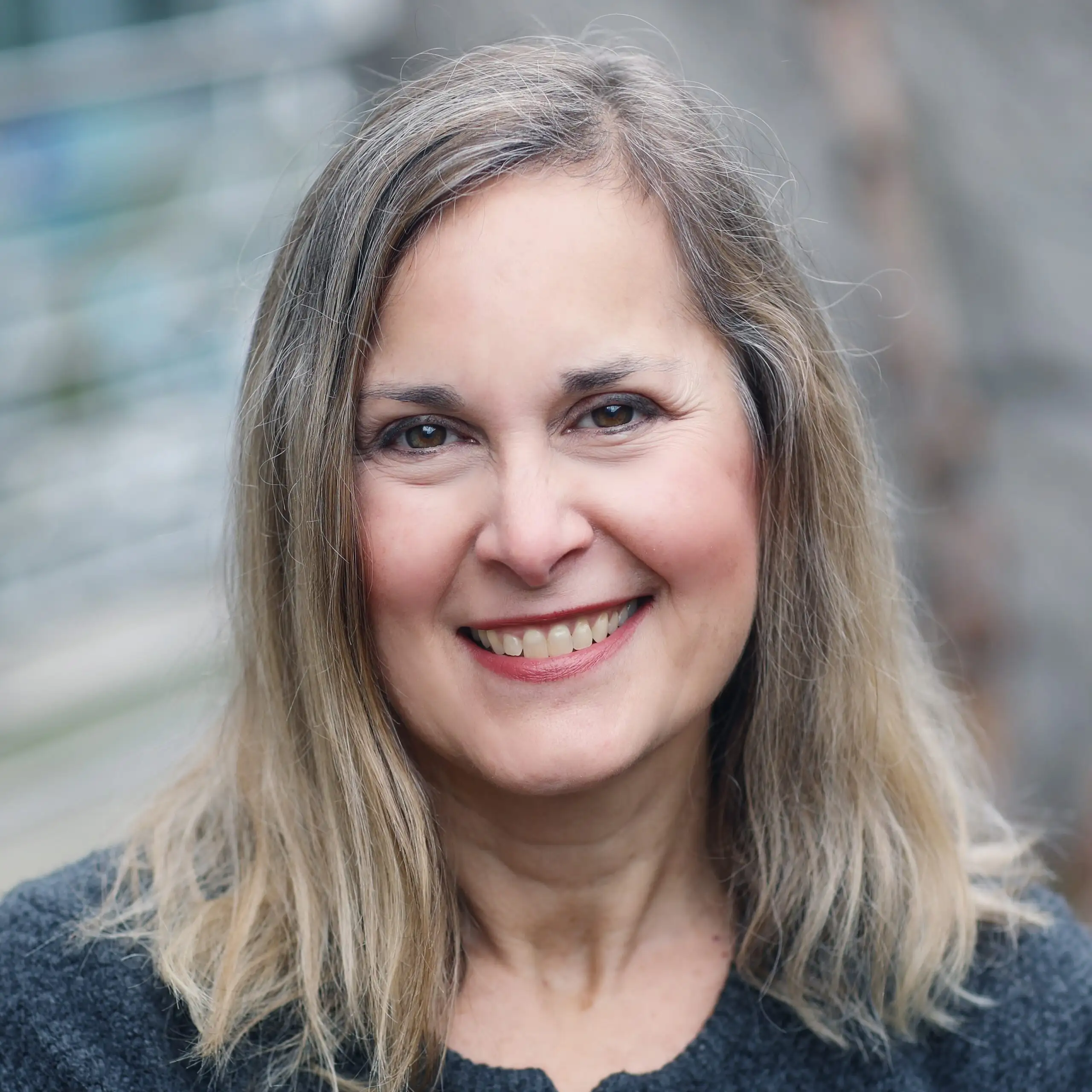
I work to identify critical factors that control lung development and drive lung disease.
Latest Posts
About this blog
The Research Horizons blog features news and insights about the latest discoveries and innovations developed by the scientists of Cincinnati Children's. This blog does not provide medical advice, diagnosis, or treatment. Email researchnews@cchmc.org with questions or ideas.
Subscribe to Our Newsletter