

Protecting Vision in Children with Rheumatic Disease
Research By: Sheila T. Angeles-Han, MD, MSc | Virginia A. Miraldi Utz, MD
Post Date: November 23, 2026 | Publish Date: November 23, 2026

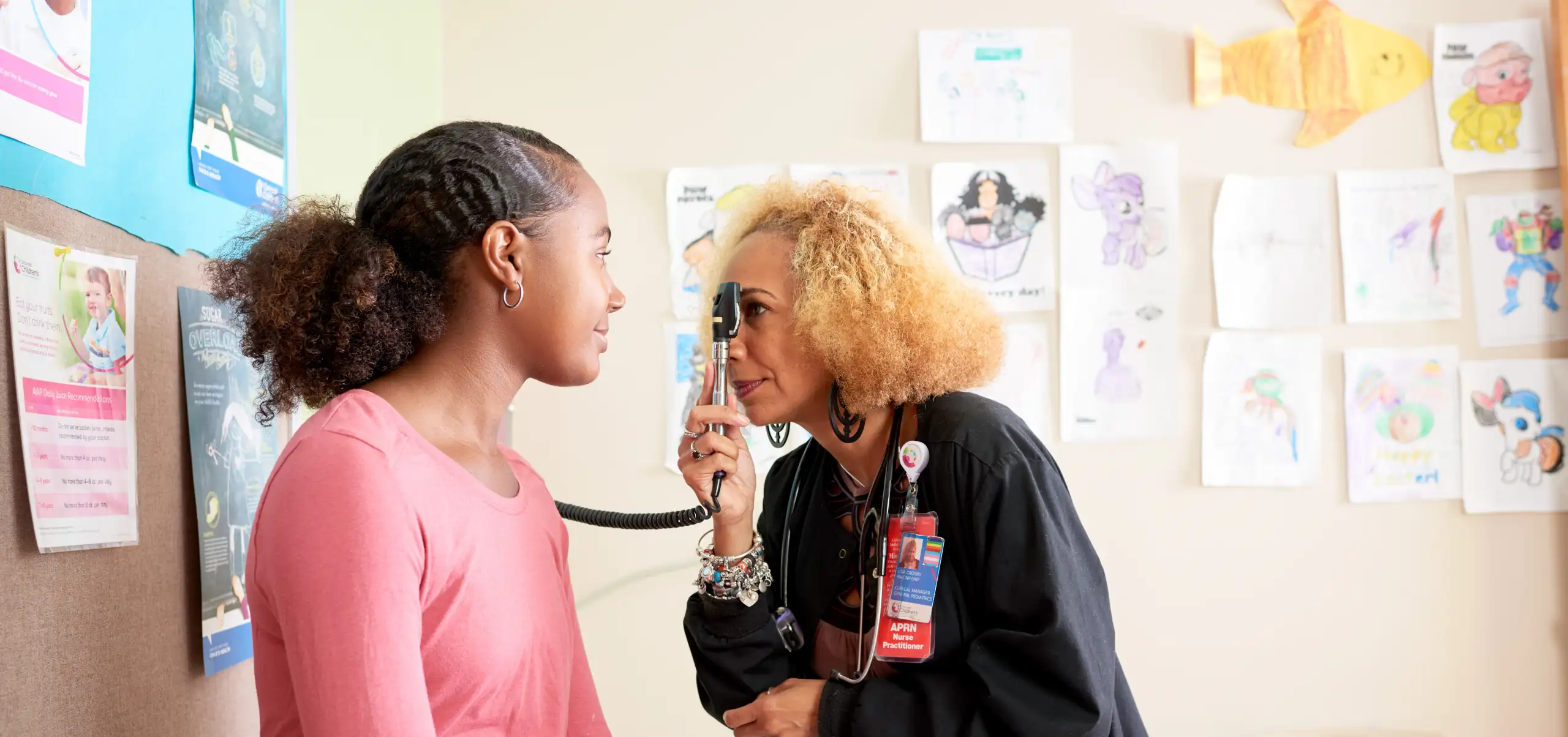
Researchers at Cincinnati Children’s outline risk-based screening recommendations to strengthen clinical practice and protect long-term vision for children with rheumatic diseases
In children with rheumatic disease, serious eye conditions can lead to long-term vision loss yet often develop without obvious early symptoms—making routine screening essential for timely detection.
A study published November 23, 2026 in Pediatrics led by researchers in the Division of Rheumatology at Cincinnati Children’s brings together current evidence and expert consensus to guide ophthalmic screening. The study focuses on two groups of children at increased risk: children with juvenile idiopathic arthritis (JIA) and children treated with hydroxychloroquine—a treatment that requires careful eye monitoring.
“This guidance is important because detecting eye disease early and guiding safe medication use can reduce the risk of preventable vision loss through consistent, coordinated care between rheumatologists, ophthalmologists and pediatricians,” says first author Shelia Angeles-Han, MD, MSc.
The Link Between Arthritis and Eye Disease
Uveitis—an inflammation inside the eye—is the most common and serious ocular complication associated with JIA. It affects an estimated 10 to 24 percent of children with the condition and often begins without pain, redness or changes in vision. Because young children may not recognize or report visual changes, uveitis is frequently detected only through routine ophthalmic screening.
Untreated, inflammation can damage key structures in the eye, leading to complications such as cataracts, glaucoma and swelling of the retina. Detecting uveitis before complications develop is strongly associated with better long-term visual outcomes.
“Not all children with JIA carry the same risk for eye disease, which is why screening schedules are based on individual risk factors,” says Angeles-Han. “Some children require eye exams every three months, while others can be safely monitored less frequently.”
Risk is influenced by factors such as age at arthritis onset, antinuclear antibody (ANA) status, JIA category, and disease duration. Because eye inflammation can develop even when arthritis symptoms are well controlled, screening should continue according to a child’s risk level rather than stopping when arthritis symptoms improve. In addition, once a child is diagnosed with uveitis, regular ophthalmic exams should continue.
Why Treatments Need Monitoring
Hydroxychloroquine is widely used in pediatric rheumatology to treat systemic lupus erythematosus, juvenile dermatomyositis, and other inflammatory diseases. When prescribed at appropriate doses, it has a strong safety profile and provides meaningful benefit. However, long-term use carries a small risk of retinal toxicity, which can lead to irreversible vision changes if not identified early.
Certain factors may increase risk and warrant closer monitoring, including higher medication doses, longer duration of treatment, kidney disease, and Asian ancestry, which has been associated with different patterns of retinal involvement in adults. In these cases, collaboration with ophthalmologists experienced in hydroxychloroquine monitoring is especially important.
“With appropriate dosing and routine eye screening, hydroxychloroquine is considered a safe and effective treatment for many children,” says Angeles-Han. “As hydroxychloroquine is key treatment of several pediatric rheumatic diseases and often continued into adulthood, ongoing monitoring allows clinicians to intervene early and protect long-term vision.”
Looking Ahead
The authors emphasize the need for coordinated team-based care to protect vision in children with rheumatic disease. Clear, risk-based screening schedules and guidance for medication monitoring help promote consistency across clinical settings and give families a better understanding of what to expect.
The co-authors say these recommendations offer a practical roadmap for clinical care—supporting early detection, safe treatment and ongoing collaboration to reduce the risk of avoidable vision loss.
About the Study
Virginia Miraldi Utz, MD, Abrahamson Pediatric Eye Institute, was a Cincinnati Children’s co-author.
Other co-authors include experts from Columbia University, Boston Children’s Hospital and the University of California.
Don’t Miss a Post:
- Subscribe to the Research Horizons Newsletter
- Follow Cincinnati Children’s Research Foundation on Bluesky, X and LinkedIn
| Original title: | Ocular Screening in Children With Juvenile Idiopathic Arthritis or Treated With Hydroxychloroquine: Clinical Report |
| Published in: | Pediatrics |
| Publish date: | November 23, 2026 |
Research By


Latest Posts


About this blog
The Research Horizons blog features news and insights about the latest discoveries and innovations developed by the scientists of Cincinnati Children's. This blog does not provide medical advice, diagnosis, or treatment. Email researchnews@cchmc.org with questions or ideas.
Subscribe to Our Newsletter