

Road to Researcher: Doug Millay, PhD
Research By: Doug Millay, PhD
Post Date: February 18, 2026 | Publish Date:

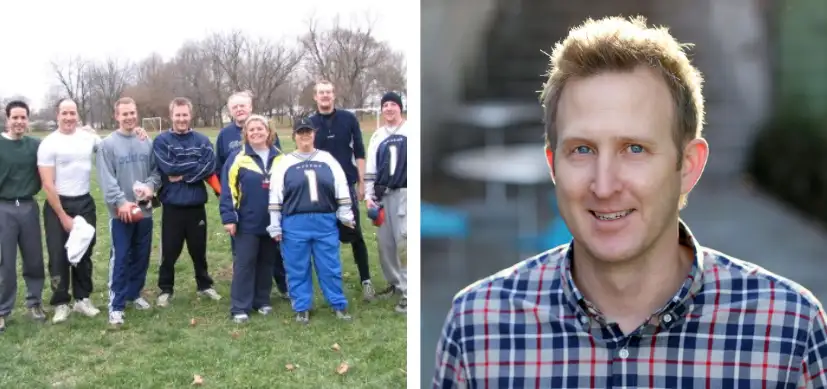
How mentorship and persistence translates basic science into real-world impact for children at one of the top places in the world to study muscle biology.
A curiosity about how things work—and the thrill of discovering something entirely new—has guided Doug Millay, PhD, along a research path defined by persistence, mentorship and a deep commitment to translating basic science into real-world impact. From his early days discovering a love for lab work to leading a research program focused on skeletal muscle development, regeneration and disease, Millay’s journey reflects both the challenges and rewards of building a career in biomedical research.
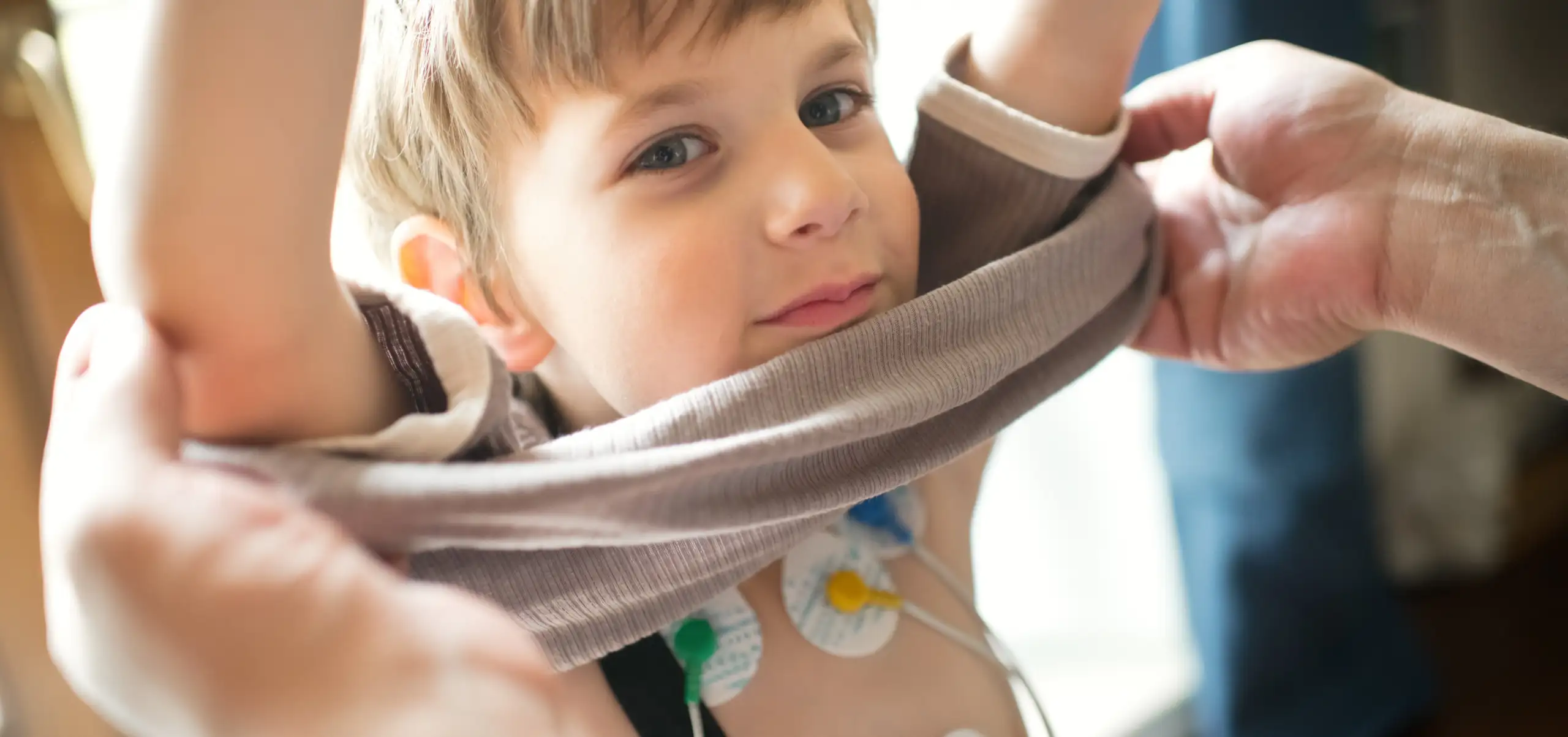
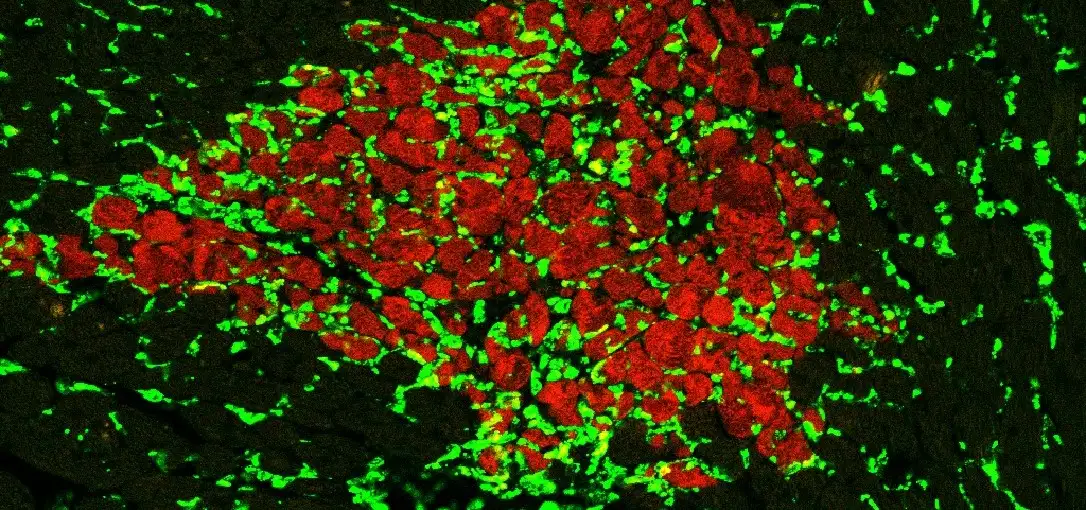
Today, as a professor in the Division of Molecular Cardiovascular Biology, Millay runs a lab that leads innovative research to improve the quality of life for children with neuromuscular disorders. They explore focus on cell fusion of muscle stem cells, which is necessary to build mature skeletal muscle cells that allow movement and breathing. They study this process in the context of exercise-induced muscle adaptations, muscular dystrophy and skeletal muscle aging—all in an effort to translate their findings into potential targets for treating disease.
Throughout his time at Cincinnati Children’s, Millay has gained an even deeper understanding of how to “move the needle.” Together with his students and team, he moves tirelessly toward the goals of pushing science forward—which in its essence is generating new knowledge that has the potential to improve the lives of young patients.
Below, he shares the pivotal moments that shaped his path, what drew him back to Cincinnati Children’s to launch his lab, and the lessons he has learned about resilience, consistency and balance along the way.
What inspired you to pursue a research career?
I fell in love with lab work while working toward my PhD at the University of Cincinnati and Cincinnati Children’s.
After earning my bachelor’s degree at Northern Kentucky University in 2002, I taught high school science and coached soccer, but quickly realized that teaching was not the best fit for me. It occurred to me that osmosis was going to be osmosis and that I would be teaching the same thing for the next 30 years, so I applied to graduate school at the University of Cincinnati because it was close. When I asked my undergraduate advisor to write a recommendation, she said she wasn’t surprised at my new direction.
I was at Cincinnati Children’s as a graduate student with Jeffery Molkentin, PhD. Joining his lab was the major turning point for me. That’s where I really learned what it meant to work toward something important, to make it a major part of your life and to make an impact. The science was great, too. The postdocs and other students were outstanding. It was a very formidable time.
I left in 2009 to pursue my postdoctoral fellowship at the University of Texas Southwestern, in Dallas. In 2014, I was recruited back to Cincinnati Children’s Division of Molecular Cardiovascular Biology. The real excitement for me about research is uncovering new aspects of biology that have never been described before. It’s addictive. You learn something new, and you get more excited for the next step in figuring out the mystery of how a biological system works. Not only is that cool information, but it may also be used for therapeutic applications that can correct certain pathologies.
What in your life inspired you to do research?
I don’t have a great story like being outside as a kid playing with bugs all the time. But I have always been interested in biology. I thought I wanted to be a physician. I didn’t even know the field of research existed until I was an undergrad. I’m a first-generation college graduate. We never really discussed science, research or a lab. The only thing in my life that I was exposed to from a science or medical perspective was as a patient going to doctors.
When I was exposed to research, I realized that I liked figuring out how things worked but not necessarily applying that knowledge. Research was just more exciting to me than being a physician. I was also surrounded by great people and was fortunate enough to gain access to excellent labs. Those environments truly motivated me to persevere and were the major catalysts for my career.
What attracted you to return to Cincinnati Children’s to start your lab?
When I went to Dallas for my postdoctoral position, it wasn’t necessarily on my radar to return here, as these jobs can be difficult to secure. And if you want to be in a particular city, that can be more difficult still. However, as I explored different institutions and went through the interview process, I realized something I hadn’t understood when I was a student here: that Cincinnati Children’s is a top research institution.
The Cincinnati Children’s investigators were incredibly supportive compared to those at other places I visited, and seemed happier. There are avenues to acquire internal funds here that aren’t available elsewhere. There were amenities and benefits that other places didn’t have, such as robotics and specialized libraries to screen research materials. But beyond these things, I came to understand that whatever is between your ears, whatever ideas you have, you can execute them here.
Add to it that my wife and I would have family around us in Cincinnati, and it was a no-brainer.
What makes Cincinnati Children’s stand out as a great place to build a research career?
Here, we have some very strong divisions that can nucleate around a particular topic. For my division, which includes the Heart Institute, everyone works on an aspect of muscle, whether it’s the heart or skeletal muscle. In my lab, for instance, we focus on skeletal muscle. This is one of the top places in the nation—the world, really—to do that kind of science.
And the muscle researchers at Cincinnati Children’s are at the top of their field. That excellence breeds more excellence. The late Jeffrey Robbins, PhD, known as the father of cardiac transgenesis and a leader in the field of cardiovascular biology, started this division. Now, Jeff Molkentin, one of the top muscle biologists in the world, leads us. That standard is important for others who follow because we want to achieve as much as those who came before us. We all work to push ourselves.
Have there been any surprises for you, either professionally, culturally or scientifically, since you’ve been back at Cincinnati Children’s?
Of course, you learn things about the institution you didn’t know when you joined. However, the good news is that all the positive things I expected when I returned have come true.
You have amassed 17 years of experience as a researcher, authored more than 60 publications, and received prestigious awards, including the Pew Scholar Biomedical Sciences Award (2015) and the Cincinnati Children’s Endowed Scholar Award (2019). What have you learned that has helped you navigate the challenges of a research career as well as the accolades?
There are probably two things. The first is to separate myself, my values and how I view myself from the actual scientific results I achieve. I tell my students this as well. There are so many ideas that we come up with that just don’t work out for whatever reason, whether it’s technical or our hypothesis is wrong. But that’s just normal in science. It’s best to focus on the process of science and not worry about outcomes.
The second is consistency. There can be many lows in research, and the highs can be few and far between. So, it’s important to work to maintain a level of consistency, no matter what’s happening. Stay disciplined and put in a good day’s work. Just remember not to get emotional about the constant changes—just focus on what you can control.
If you could go back and tell your younger self one thing, what would it be?
As you get older, you realize that time is the scarcest resource we have. But it’s one of those things you have to live through to understand. You can’t do everything you want to do, so it’s crucial to be intentional with every minute.
What do you enjoy doing outside of the lab? What helps you recharge?
I’d say that having a supportive family has been key to my success. And maybe the fact that my wife is not in science. Together with our two daughters, we love staying active outdoors, traveling, trying new restaurants and cooking at home. It’s important to me that I’m fully present and there when needed.
Really, I don’t separate work and life much. Sometimes I’m at work doing life things. And sometimes I’m at home with my family doing work things. But when it comes to the actual science, I don’t feel like that’s a job. I don’t really see the long hours and uncertain outcomes as a sacrifice. I’ve cherished this lifetime of learning.
Is there anything about your background that people might not expect, but that has shaped who you are as a scientist?
I think it’s the blue-collar mentality I grew up with. You learn from your parents. Mine put a lot of effort into their jobs and modeled a work ethic and kind of grounding that has served me well in science.
People think that science is driven by brilliant people sitting around, coming up with ideas. A brilliant mind certainly helps, but it’s not always like that. It takes time, consistency and a whole lot of effort to be successful.
Don’t Miss a Post:
- Subscribe to the Research Horizons Newsletter
- Follow Cincinnati Children’s Research Foundation on Bluesky, X and LinkedIn
Research By
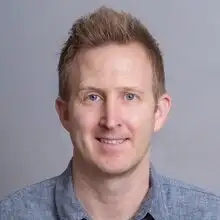
The Millay Lab studies various aspects of skeletal muscle development and regeneration, cell-cell fusion, exercise-induced muscle adaptations, aging and muscular dystrophy.
Latest Posts
About this blog
The Research Horizons blog features news and insights about the latest discoveries and innovations developed by the scientists of Cincinnati Children's. This blog does not provide medical advice, diagnosis, or treatment. Email researchnews@cchmc.org with questions or ideas.
Subscribe to Our Newsletter