

$17.25 Million Grant to Advance Longitudinal Autism Research
Post Date: June 11, 2026 | Publish Date:


Cincinnati Children’s will serve as one of an initial wave of 12 sites worldwide enrolling youth with autism into a long-term study designed to accelerate future therapeutic trials
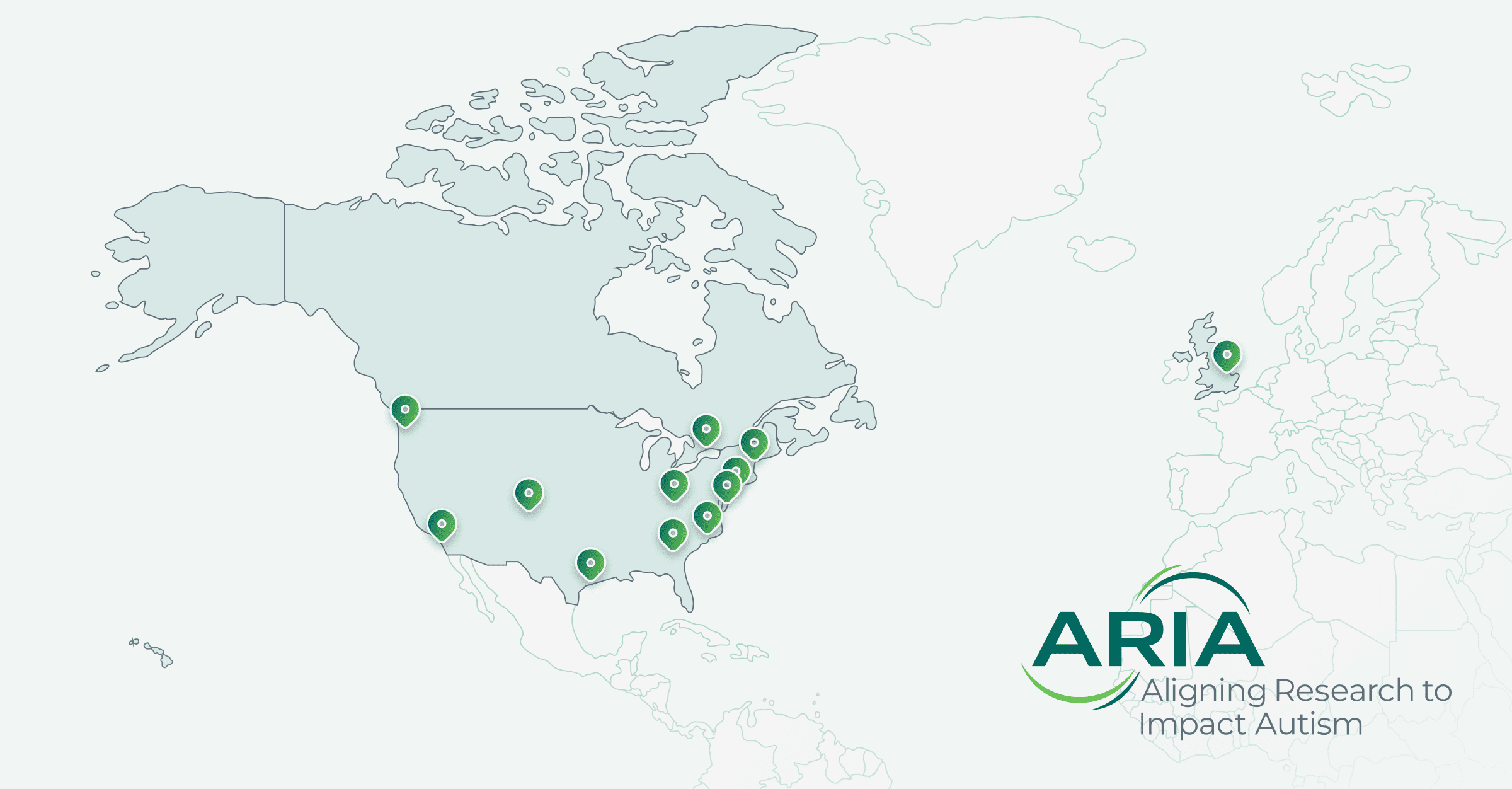
Cincinnati Children’s has been selected to receive a five-year grant of up to $17.25 million from Aligning Research to Impact Autism (ARIA) to serve as one of 12 initial sites worldwide enrolling youth with autism into a new research network.
This independent, philanthropy-funded network, called the Innovative Medicine and Precision Approaches to Clinical Trials (IMPACT) Network, is an international collaborative of research and clinical sites working together to accelerate clinical trial readiness and advance new therapies for autistic people. It will support clinical trials to test innovations flowing from ARIA’s Research Hubs. ARIA is an initiative to accelerate scientific discovery and create more therapeutic opportunities for people with profound autism and people on the spectrum who seek additional support.
“This is a monumental step for autism research,” says Craig Erickson, MD, a researcher with the Division of Psychiatry who will serve as principal investigator for Cincinnati Children’s work in the IMPACT Network.
“As people enroll, they will come in repeatedly over time to build a thorough understanding of the individual child’s biology using techniques including research electroencephalography (EEG), blood sampling for genetic and other testing, and developmental testing among other methods utilized,” he says. “This means when innovative therapies come along in the future, researchers in the network—ourselves included—will be better able to quickly find the people who meet specific requirements for testing new interventions.”
About autism
Autism spectrum disorder is currently defined as a single condition, but researchers and clinicians believe there is likely a broad range of conditions currently falling under the autism diagnosis. Autism includes challenges with social skills, repetitive behaviors, language, and nonverbal communication. According to the U.S. Centers for Disease Control and Prevention, autism affects an estimated 1 in 31 children and 1 in 45 adults in the United States today.
“Even though scientists have studied autism for many years, the specific causes are not well-understood for many patients,” Erickson says. “People with autism are each unique individuals who respond differently to the growing array of available treatments and therapies. So, there is great potential value in using the best available data to better define conditions within the spectrum, which in turn can help focus treatments so they have the best chance to be effective.”
“One of the important pieces of this study is the inclusion of individuals who have historically been underrepresented in clinical research. It is important for research to represent all individuals with autism. Research visits will be tailored to each individual’s specific needs to help them be successful,” says Rebecca Shaffer, PsyD, a researcher with the Division of Behavioral Medicine and Clinical Psychology who will serve as clinical research lead for Cincinnati Children’s work in the IMPACT Network.
Ernest Pedapati, MD, will serve as a biomarker lead for the Cincinnati Children’s Medical Center IMPACT site. “The integration of research EEG and other objective biological measures to support future clinical trials will move autism research toward more precise, individualized approaches,” he says.
A wealth of skill in brain science
Several divisions at Cincinnati Children’s encompass a large team of experts to support the IMPACT Network. In addition to extensive experience in autism research and therapy, Cincinnati Children’s provides advanced research skills and access to highly advanced genomic and brain physiology research technologies.
“Importantly, Cincinnati Children’s also has a rich culture of collaborative science that makes it a natural fit for the IMPACT Network,” Erickson says.
Learn more about ARIA
Learn more about the Neurobehavioral Treatment Discovery Team at Cincinnati Children’s
Don’t Miss a Post:
- Subscribe to the Research Horizons Newsletter
- Follow Cincinnati Children’s Research Foundation on Bluesky, X and LinkedIn
Latest Posts

About this blog
The Research Horizons blog features news and insights about the latest discoveries and innovations developed by the scientists of Cincinnati Children's. This blog does not provide medical advice, diagnosis, or treatment. Email researchnews@cchmc.org with questions or ideas.
Subscribe to Our Newsletter