

New Stents Designed for Babies Could Change the Future of Congenital Heart Care
Post Date: October 20, 2026 | Publish Date:

Key Takeaways
- Pediatric-specific stents address a long-standing technology gap in congenital heart care.
- The Minima Stent System can be enlarged as a child grows, potentially reducing repeat interventions.
- The Lifeline™ system supports lifesaving blood flow in newborns through a minimally invasive approach designed for neonatal anatomy.
- Experts at Cincinnati Children’s have been working for years to encourage faster production of child-sized devices for cardiac care and beyond.
Two new stents mark a milestone in advancing pediatric device development
When parents learn that their newborn has a congenital heart defect, one question often rises above all others: What does this mean for my child’s future?
For decades, pediatric cardiologists have relied on devices originally designed for adults to help treat babies born with heart defects. While those tools have saved countless lives, they were never built for the unique size, anatomy and developmental needs of newborns.
Now, a new generation of pediatric-specific stents is beginning to close one of the longest-standing technology gaps in congenital heart care.
The Renata Minima Stent System and the Lifeline™ Ductus Arteriosus Stent System were developed specifically for newborns and infants with complex cardiovascular defects—patients whose anatomy has traditionally forced interventional cardiologists to adapt devices engineered for adults. Together, these devices represent an important shift toward purpose-built technologies for some of medicine’s smallest and most vulnerable patients.
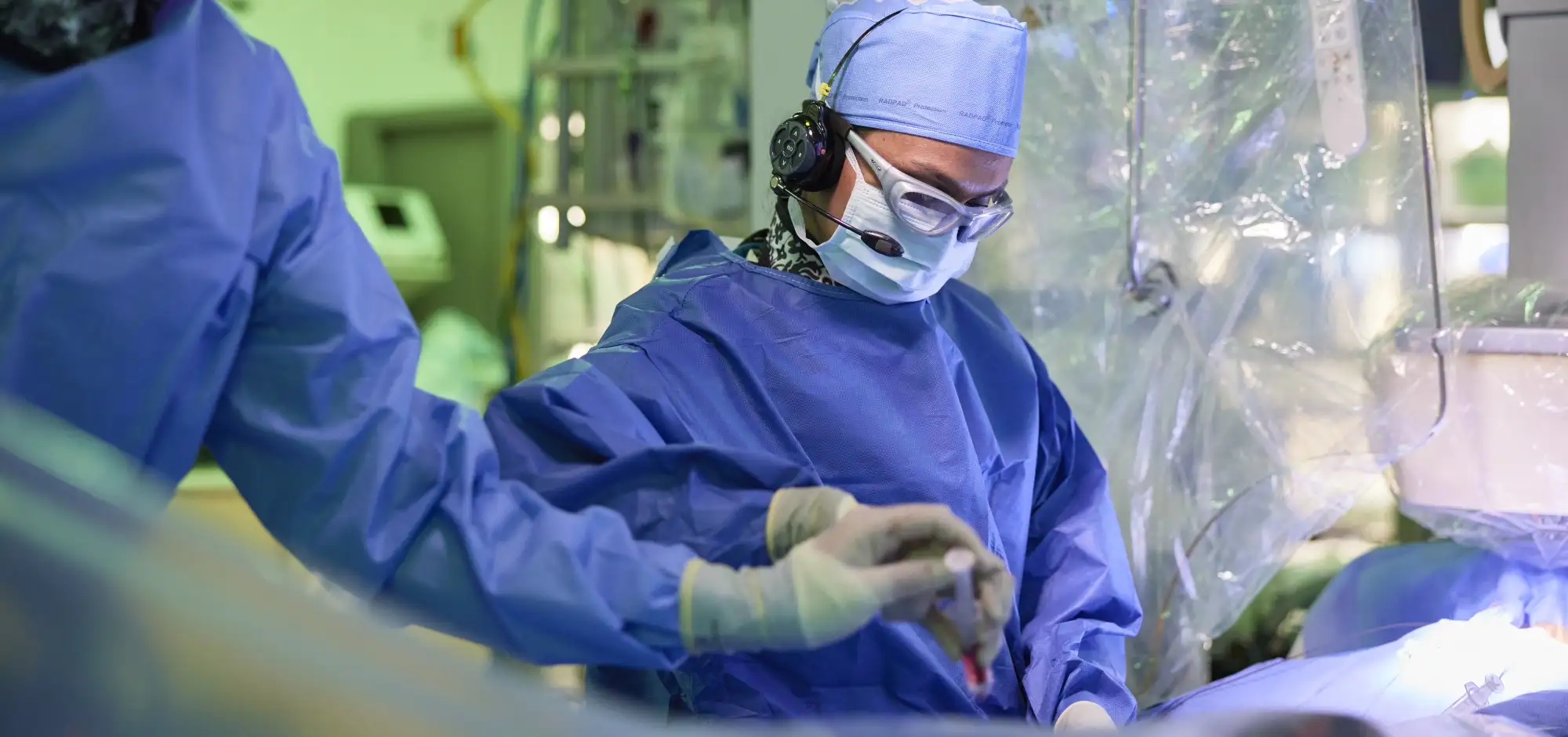
“Advances in technology are changing what is possible for children born with congenital heart disease,” says Shabana Shahanavaz, MD, director of the Cardiac Catheterization Laboratory at Cincinnati Children’s. “These devices were designed specifically for newborns and infants, addressing challenges pediatric cardiologists have faced for decades.”
A Common Condition with Limited Pediatric-Specific Technology
Congenital heart disease (CHD) is the most common birth defect, affecting approximately 1% of newborns—about 40,000 babies each year in the United States. Roughly one in four children born with CHD has a critical defect requiring surgery or another major intervention during the first year of life.
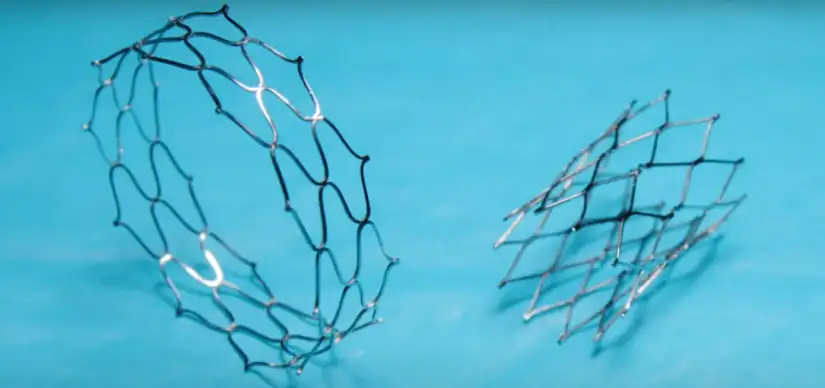
Many of these children require procedures shortly after birth to ensure blood can flow properly through the heart, lungs and body. One of the most effective tools for treating narrowed blood vessels is a stent—a tiny metal mesh tube that helps keep vessels open and maintain blood flow.
Yet despite decades of innovation in cardiovascular medicine, relatively few stents have been designed specifically for infants. Instead, pediatric cardiologists have often relied on modified adult devices to treat babies whose blood vessels may be only a few millimeters wide.
“Babies are not small adults,” Shahanavaz says. “Their blood vessels are smaller, their anatomy can be dramatically different, and they’re still growing. Devices designed specifically for infants can improve precision and give us more options for long-term care.”
A Stent Designed to Grow with a Child
One of the most promising advances is the Minima Stent System, developed for infants and young children with narrowed blood vessels that restrict blood flow to the lungs or the body.
Historically, stenting these vessels posed a difficult challenge. A device small enough to fit inside an infant might become inadequate as that child grew, often requiring additional interventions or surgical replacement.
The Minima stent was engineered with growth in mind.
Rather than replacing the device, physicians can enlarge the implanted stent through future catheter-based procedures as a child grows. That capability could significantly reduce the lifetime burden of repeat interventions.
“The possibility of implanting a stent in infancy and then expanding it as a child grows is incredibly exciting,” Shahanavaz says. “Our goal is always to reduce the number of procedures children need throughout their lives while maintaining excellent blood flow and heart function.”
Early clinical results have been encouraging. In the pivotal multicenter Minima trial, the device was successfully implanted in 97.6% of 42 neonates, infants and young children. Investigators reported no serious device-related complications through the primary study endpoint. Long-term follow-up suggests that when additional procedures are needed, they are often driven by normal growth rather than failure of the device itself.
For families, that could mean fewer hospitalizations, fewer major operations and a smoother transition from infancy into adolescence and adulthood.
Maintaining Lifesaving Blood Flow in the Newborn Period
The Lifeline™ Ductus Arteriosus Stent System was built to solve a different but equally important problem.
Before birth, every baby has a temporary blood vessel called the ductus arteriosus. This vessel plays a critical role in fetal circulation but normally closes shortly after delivery.
For some newborns with complex congenital heart defects, however, closure of that vessel can become life-threatening. In these babies, the ductus arteriosus may be the primary pathway for blood to reach the lungs and receive oxygen.
Historically, maintaining blood flow in these patients often required surgery or the use of coronary stents developed for adult heart disease.
The Lifeline system was engineered specifically for neonatal ductal anatomy. The device is designed to navigate the sharp curves and variable shapes often seen in a newborn’s ductus arteriosus while supporting the blood flow these infants need to survive.
For some patients, the procedure can be performed through a minimally invasive catheter-based approach, potentially avoiding open-chest surgery during one of the most fragile periods of life.
“Ductal stenting has become an increasingly important option for newborns with complex heart disease,” Shahanavaz says. “Having a device specifically designed for neonatal anatomy gives us another tool to support these children safely and effectively.”
Why Purpose-Built Devices Matter
Viewed individually, the Minima and Lifeline systems address different anatomical challenges. Viewed together, they signal something larger: the maturation of pediatric device development as its own field.
For generations, children with congenital heart disease have benefited from innovations adapted from adult cardiovascular medicine. Increasingly, however, engineers, physicians and industry partners are developing technologies around the unique biological realities of infancy and childhood.
Purpose-built devices can improve fit, flexibility and precision while accounting for a child’s future growth and development. Instead of forcing pediatric specialists to adapt adult solutions, these technologies allow clinicians to focus on delivering treatments optimized for their youngest patients.
“When medical devices are designed around the needs of children from the start, we’re able to focus less on adapting adult technology and more on providing the best care possible,” Shahanavaz says.
Looking Ahead
Neither the Minima nor Lifeline system eliminates the challenges associated with congenital heart disease, and neither is appropriate for every patient. But together they represent meaningful progress toward safer, less invasive and more effective therapies for infants born with complex heart defects.
More importantly, they illustrate a broader trend in pediatric medicine: designing technologies specifically for children rather than modifying devices created for adults.
“We’re entering an era when we’re no longer asking how to make adult devices work in babies,” Shahanavaz says. “We’re designing devices for babies from the beginning.”
For families facing a diagnosis of congenital heart disease, that distinction may ultimately translate into fewer invasive procedures, more individualized treatment strategies and better long-term outcomes. And for physicians who care for these children, it offers a glimpse of a future in which lifesaving technology is finally being built with pediatric patients at its center.
Learn More:
Turning ACTION Into Data: Dr. Angela Lorts and the Blueprint for Pediatric Medtech Innovation
Learn more about the Midwest Pediatric Device Consortium
Don’t Miss a Post:
- Subscribe to the Research Horizons Newsletter
- Follow Cincinnati Children’s Research Foundation on Bluesky, X and LinkedIn

Latest Posts
About this blog
The Research Horizons blog features news and insights about the latest discoveries and innovations developed by the scientists of Cincinnati Children's. This blog does not provide medical advice, diagnosis, or treatment. Email researchnews@cchmc.org with questions or ideas.
Subscribe to Our Newsletter