

2025’s Top 10 Research Horizons Stories: Breakthroughs, Tributes, and Hope
Post Date: December 30, 2025 | Publish Date:

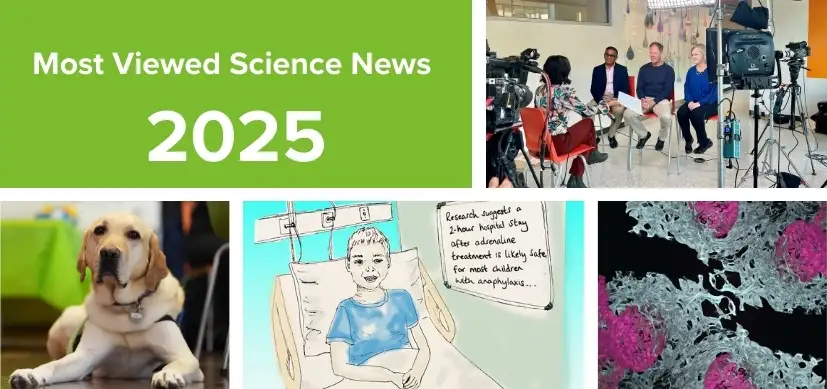
Every year, the Cincinnati Children’s Research Horizons blog brings the world closer to the latest scientific discoveries, heartfelt tributes, and innovations that shape the future of child health. In 2025, readers were captivated by stories of medical breakthroughs, inspiring research, and the lives of remarkable clinicians. Here are the 10 most-viewed posts that sparked curiosity, hope, and conversation across our community.
A quirky concept that earned an IgNobel Prize in 2024—using the body’s “other end” for oxygen intake—has taken a serious turn. This post explores how researchers are translating the “butt breathing” idea into a potential therapy for patients with severe respiratory failure, highlighting the journey from scientific curiosity to clinical promise.
This heartfelt tribute honors the life and legacy of Michael Sorter, MD, whose dedication to child psychiatry and compassionate care touched countless families. Colleagues and friends reflect on Sorter’s profound impact, both as a clinician and as a mentor, ensuring his contributions will not be forgotten.
A new nasal spray vaccine for COVID-19 is making headlines after promising results in a Phase 1 clinical trial. The article details how this innovative approach could offer easier, needle-free protection—especially for children and those with needle anxiety—while also boosting community immunity.
Cincinnati Children’s brain development research took the national spotlight with a feature on the TODAY Show. This story recaps the segment, highlighting how our scientists are unraveling the mysteries of early brain growth and what it means for diagnosing and treating neurodevelopmental disorders.
A major advance in organoid science: researchers have succeeded in generating organ-specific blood vessels within lab-grown liver tissue. This breakthrough could accelerate the development of transplantable organs and new therapies for liver disease, bringing hope to patients awaiting life-saving treatments.
A new consensus report is changing the way clinicians approach anaphylaxis, the most severe form of allergic reaction. This post summarizes the key recommendations and their potential to improve emergency care, patient education, and long-term outcomes for children with allergies.
Gene therapy is opening new doors for patients with rare telomere biology disorders. This article covers the first clinical trial results, offering hope for families affected by these challenging conditions and showcasing Cincinnati Children’s leadership in genetic medicine.
Could man’s best friend be a secret weapon against food allergies? This popular post explores emerging research suggesting that children who live with dogs may experience fewer allergic reactions, possibly due to changes in their immune system and environment.
A new treatment for Fragile X syndrome—a leading cause of inherited intellectual disability—has received Fast Track designation from the FDA. The article explains what this means for research, clinical trials, and families hoping for new therapeutic options.
The Cincinnati Children’s community remembers Camille Graham, MD, a pioneering physician whose career spanned decades of service and innovation. This memorial piece shares stories from colleagues and patients, celebrating Graham’s enduring influence on pediatric care.
Don’t Miss a Post:
- Subscribe to the Research Horizons Newsletter
- Follow Cincinnati Children’s Research Foundation on Bluesky, X and LinkedIn

Latest Posts
About this blog
The Research Horizons blog features news and insights about the latest discoveries and innovations developed by the scientists of Cincinnati Children's. This blog does not provide medical advice, diagnosis, or treatment. Email researchnews@cchmc.org with questions or ideas.
Subscribe to Our Newsletter