

How Respiratory Virus Symptoms Vary in Children
Research By: Daniel C. Payne, PhD, MSPH
Post Date: August 3, 2026 | Publish Date: July 27, 2026

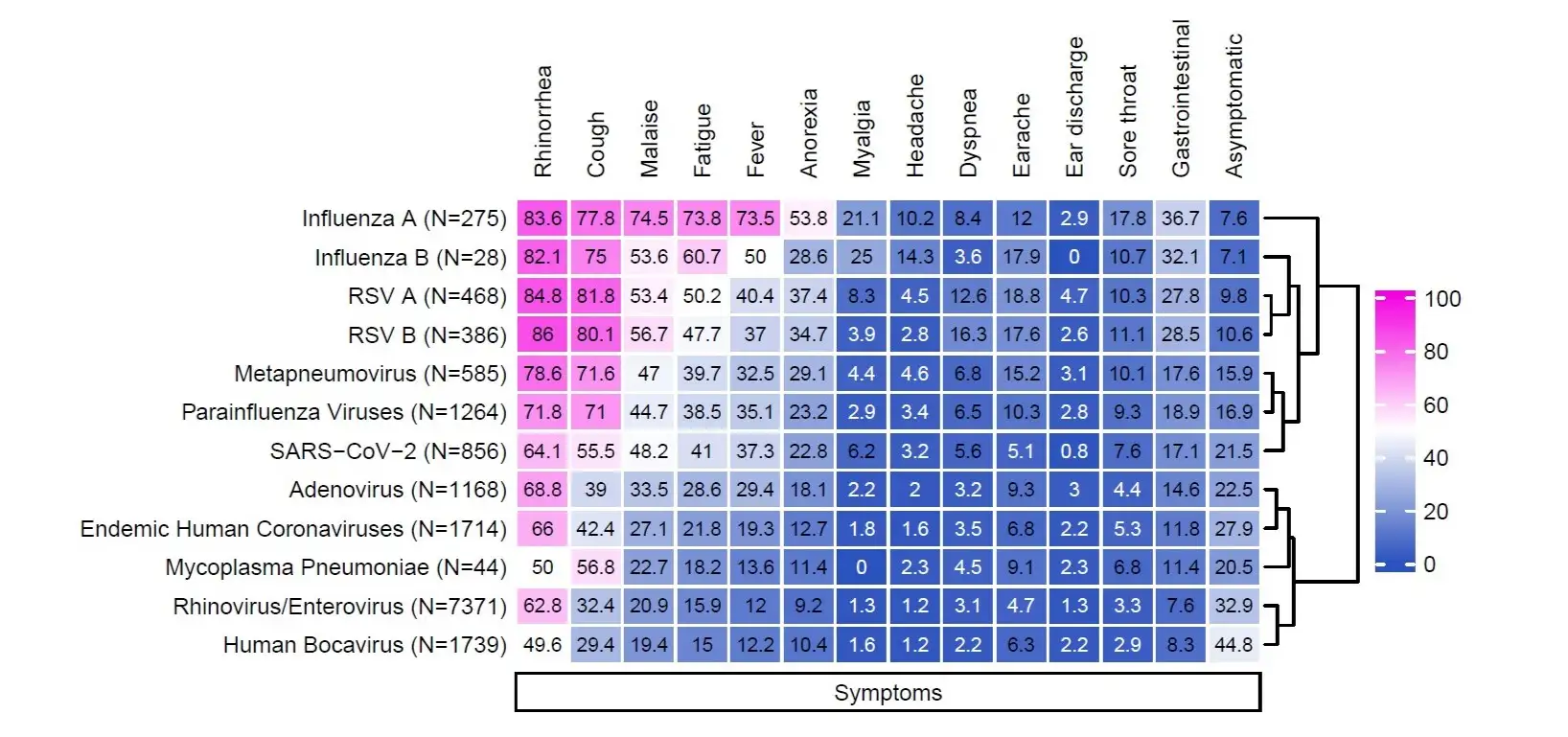
Researchers at Cincinnati Children’s found that infants face the highest risk of severe illness from common respiratory viruses, but many infections never result in a healthcare visit
Respiratory infections are a routine part of childhood, but they don’t affect every child in the same way. Some infections lead to emergency care, while others cause only mild symptoms—or none at all. Understanding those differences has been difficult because most research focuses on children who seek medical care.
A July 2026 study in Pediatrics offers new insight into how respiratory infections affect healthy young children. Researchers in the Division of Infectious Diseases analyzed nearly 16,000 laboratory-confirmed infections linked to symptoms and medical outcomes. While infants faced the greatest risk of severe respiratory symptoms and hospital or emergency department visits overall, many infections from the same pathogen were mild or caused no symptoms.
“By capturing respiratory infections across the full spectrum of illness, we highlight the range of outcomes that even healthy children can have to the same pathogen. Some children may experience severe symptoms while others remain relatively unaffected,” says Daniel Payne, PhD, MSPH, lead author of the study. “Identifying the reasons for that variability could help inform future strategies to protect children most at risk.”
Looking Beyond the Doctor’s Office
Researchers used data from the IMPRINT birth cohort, an ongoing study of healthy maternal-infant pairs in the Cincinnati area. Beginning in infancy and continuing through age 5, families provided weekly nasal swabs and regular symptom reports from 1,223 children, allowing researchers to capture infections regardless of whether a child was experiencing symptoms.
The analysis included 15,898 infection episodes caused by a single respiratory pathogen, including influenza, respiratory syncytial virus (RSV), human metapneumovirus (hMPV), parainfluenza and SARS-CoV-2. By excluding co-infections, researchers were able to identify symptom patterns associated with individual viruses.
A Broader Picture of Respiratory Illness
The researchers identified several notable findings:
- Infants face the highest risk of severe illness. Children younger than 1 year were significantly more likely than older children to experience respiratory distress and require hospital or emergency department care during infections caused by influenza A, RSV, hMPV and SARS-CoV-2.
- Influenza A and influenza B infections do not look the same. Influenza A was more strongly associated with fever and loss of appetite than influenza B, suggesting the two viruses may produce distinct illness patterns in young children.
- Gastrointestinal symptoms were common. Diarrhea or vomiting occurred alongside approximately one-third of influenza infections and more than one-quarter of RSV infections, highlighting that respiratory illnesses often involve symptoms beyond the respiratory tract.
Despite the increased risk for infants, most respiratory infections never resulted in medical care. More than three-quarters of symptomatic infections were treated at home, and asymptomatic infections were common across all major respiratory viruses studied, including influenza and RSV.
“Many respiratory infections never result in a healthcare visit, but that doesn’t mean they aren’t important,” says Payne. “We haven’t appreciably studied respiratory infections like this before. How mild or asymptomatic infections influence long-term immunity, disease transmission, and household economic costs has not yet been on our scientific ‘radar’.”
Looking Ahead
By defining the full spectrum of symptoms associated with common respiratory pathogens, the study provides a foundation for future research into why some children are more affected than others.
A better understanding of the biological, immune and other factors associated with severe illness could help researchers better predict risk, improve prevention strategies and develop more targeted approaches to protecting children who are most vulnerable.
About the Study
Mary Allen Staat, MD, MPH, was the senior author of the study. Additional Cincinnati Children’s co-authors included members of the Division of Infectious Diseases.
External collaborators included experts from La Jolla Institute of Immunology.
The study was supported by the National Institute of Allergy and Infectious Diseases (U01A1144673) and the Open Philanthropy/Good Ventures Foundation.
Learn more about the IMPRINT study
Watch the video abstract on the journal website.
Don’t Miss a Post:
- Subscribe to the Research Horizons Newsletter
- Follow Cincinnati Children’s Research Foundation on Bluesky, X and LinkedIn
| Original title: | Symptoms Associated With Respiratory Pathogens in Young Children: 2019–2025 |
| Published in: | Pediatrics |
| Publish date: | July 27, 2026 |
Research By



Latest Posts
About this blog
The Research Horizons blog features news and insights about the latest discoveries and innovations developed by the scientists of Cincinnati Children's. This blog does not provide medical advice, diagnosis, or treatment. Email researchnews@cchmc.org with questions or ideas.
Subscribe to Our Newsletter