

Celebrating Excellence and Community at the 2025 AACAP Annual Meeting
Post Date: November 6, 2025 | Publish Date:

Written by Brian Kurtz, MD, Attending Psychiatrist and Director of the Child and Adolescent Psychiatry Residency and Fellowship Programs
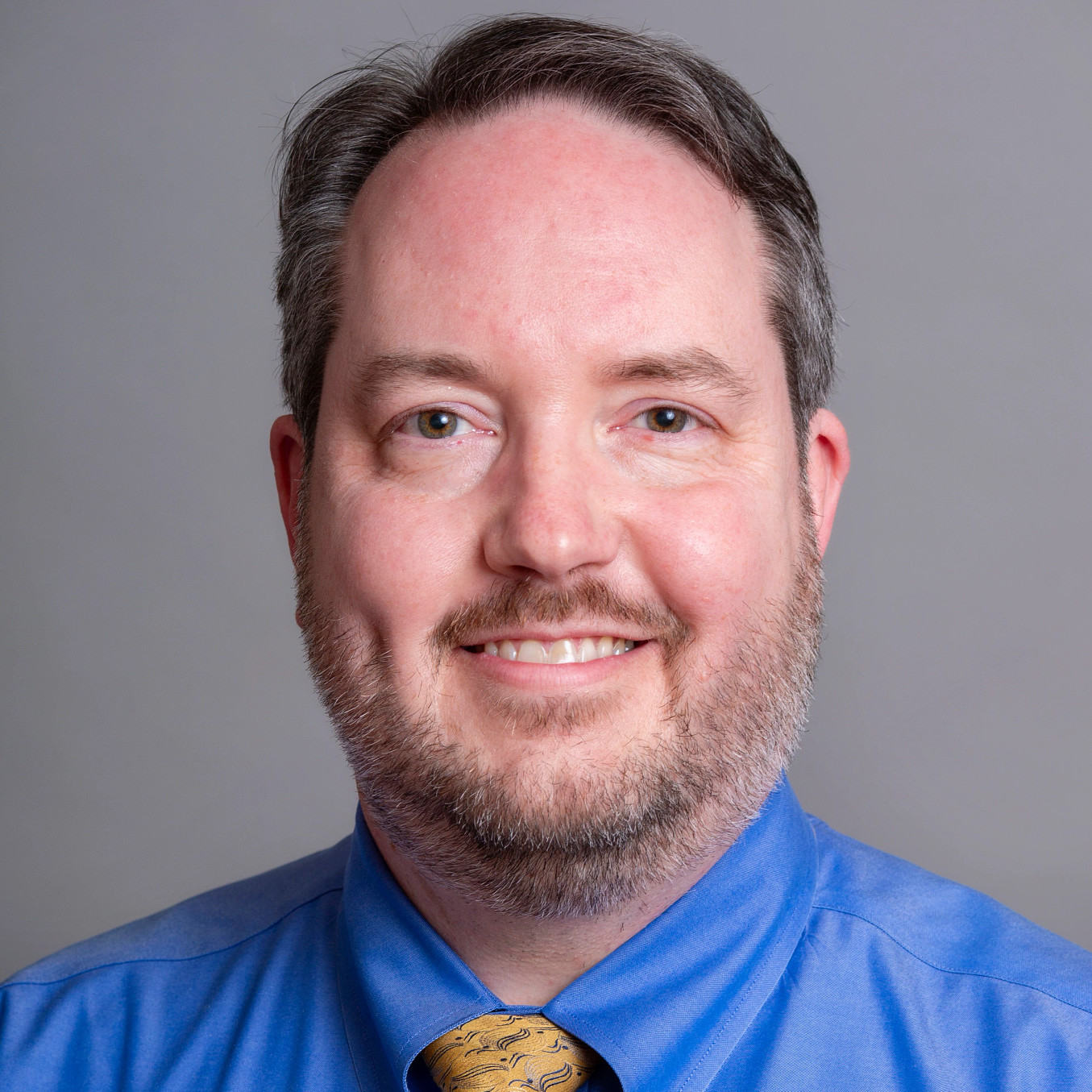
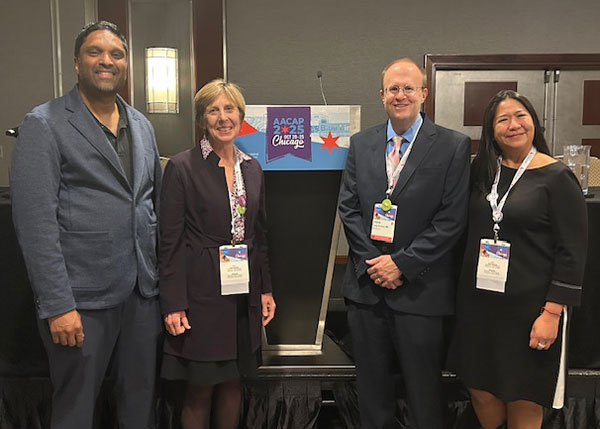
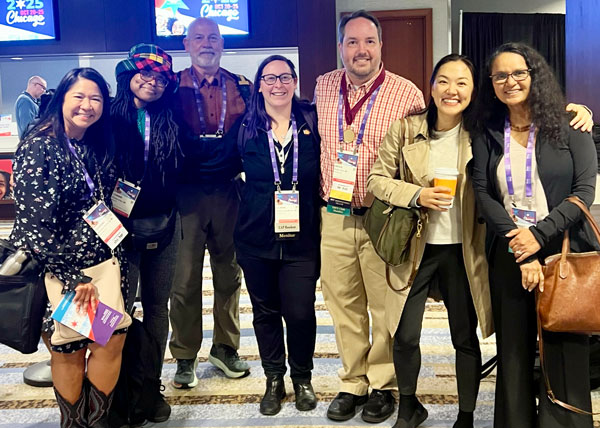
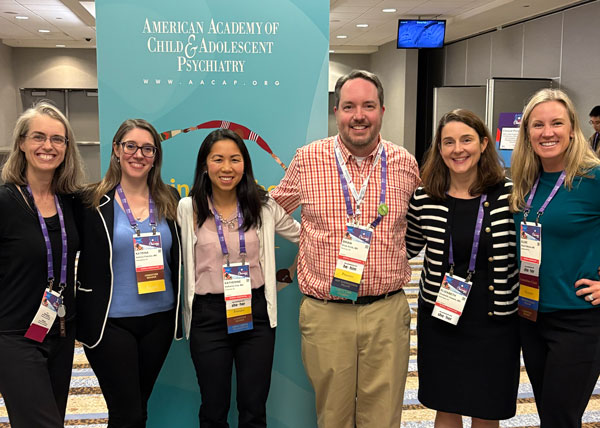
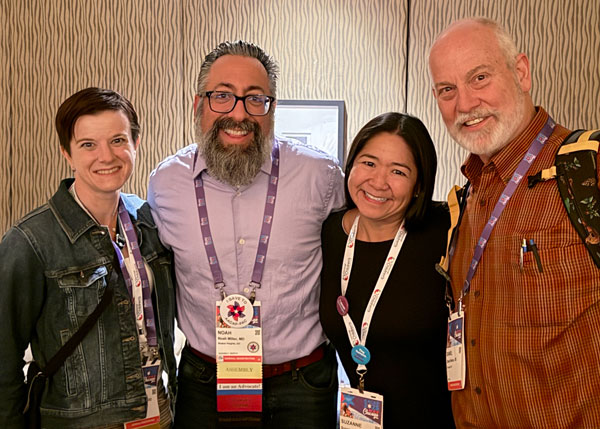
Last week, I had the privilege of attending the 72nd Annual Meeting of the American Academy of Child and Adolescent Psychiatry (AACAP) in Chicago. As always, the gathering was a powerful reminder of the vibrant community and shared mission that drive our field forward. For those of us at Cincinnati Children’s and the University of Cincinnati, this year’s meeting was especially meaningful, as a celebration of achievement, collaboration, and the enduring legacy of our mentors and colleagues.
Honors and Recognition
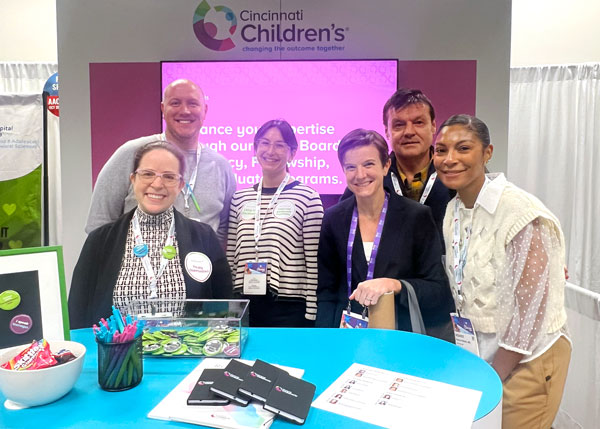
Our health system’s commitment to AACAP is longstanding and deep. Cincinnati Children’s supports all faculty and trainees in maintaining active AACAP membership, earning us a place in the “100% Club.” This year, several members of our community were recognized for their outstanding contributions:
- Dr. Craig Erickson received the prestigious AACAP 2025 George Tarjan, MD, Award for Contributions in Developmental Disabilities, honoring a career of impact on the care of those with developmental disabilities.
- Dr. Ernie Pedapati and I were honored as Distinguished Fellows of AACAP, a recognition of excellence and significant contributions to the field.
- Dr. Christelle Tan was celebrated for her 2024 Marilyn B. Benoit, MD, Child Maltreatment Mentorship Award, reflecting her dedication to foster care youth and mentorship under Dr. Mary Greiner.
- Dr. Julia Stimpfl and Dr. Katherine Stefani were selected for the AACAP Child and Adolescent Psychiatry Research Institute (CAPRI) Research Colloquium, highlighting their promise as physician-scientists. Dr. Stefani was also recognized for her work in the Systems of Care Fellowship.
- Dr. Desiree DiBella continued her two-year journey as a Diversity, Equity, and Inclusion Emerging Leaders Fellow, building on her leadership in health equity and advocacy during her Triple Board training.
Dr. Stimpfl told me, “This year’s CAPRI program was an incredibly valuable experience, one that far exceeded my expectations. The program made it very easy to connect with a wide variety of motivated mentors and really helped to ‘de-mystify’ the process of applying for a K award. I left feeling inspired and motivated by the many individual perspectives shared throughout the program. I am very excited to take the next steps in my research career, and I look forward to staying connected with the group throughout the year.”
As Dr. Martine Lamy reflected, “One highlight of AACAP for me this year was being able to celebrate the outstanding achievements of our faculty and trainees, whose dedication to advancing child and adolescent psychiatry was recognized through several prestigious awards. Their dedication to improving pediatric mental health inspires excellence and innovation across the field.”

Leadership, Learning and Innovation
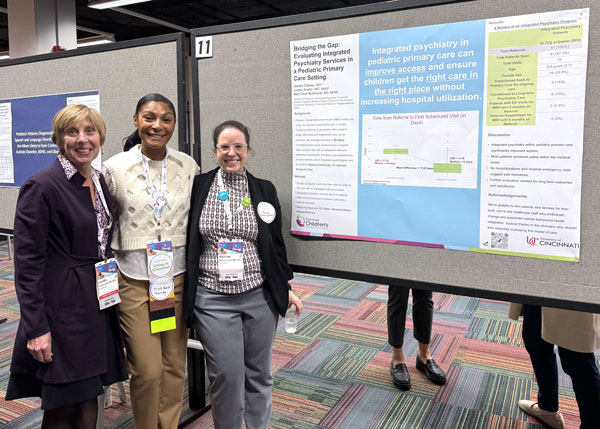
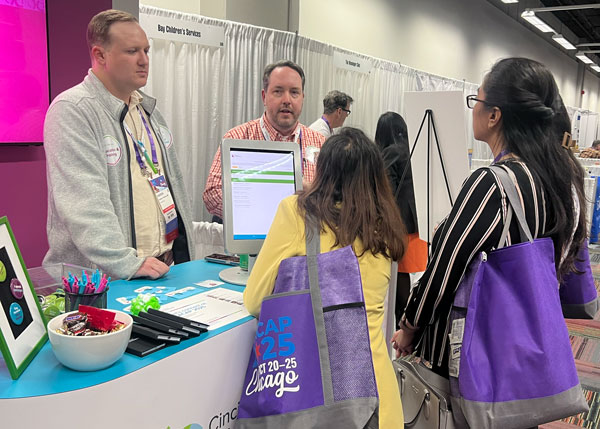
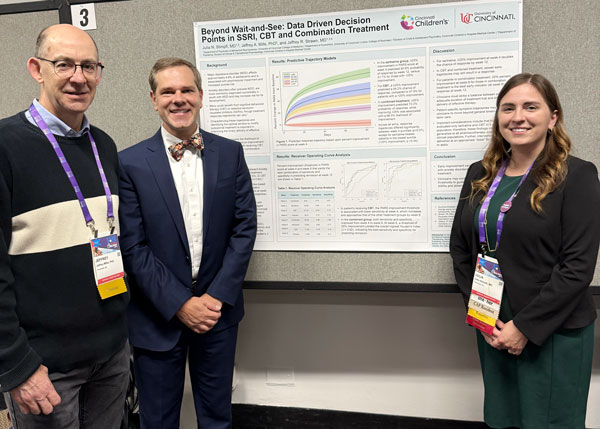
Cincinnati Children’s and UC faculty and trainees contributed to over 40 presentations and posters; although it is too many to enumerate, this is a testament to the breadth and national impact of our work. The relationship between our institutions and AACAP is a virtuous cycle: AACAP fosters our growth as professionals, and in turn, we contribute to the academy’s mission and annual meeting.
This year, I had the opportunity to act as a facilitator for the “Resident as Teacher” workshop, co-led by Dr. Katherine Soe. This year’s session, “Harnessing Your Inner Educator for Effective Teaching in a Hurry,” provided practical strategies for clinician-educators at all career stages. Dr. Soe’s leadership, both in this workshop and as co-chair of the AACAP Alliance on Learning and Innovation, exemplifies the next generation of leaders emerging from our programs.
I also presented with Dr. Soe and others on “Scaling Up: How to Equip Pediatric Residents With Knowledge and Skills in Youth Mental Health,” highlighting innovative learning experiences now required for pediatric residents nationwide. Dr. Laurel Leslie, director of Cincinnati Children’s Mental and Behavioral Health Institute—within which the Division of Child and Adolescent Psychiatry operates—came to this and many other sessions I attended, always brimming with observations and ideas drawing upon her extensive career experience to help build and improve the way Cincinnati Children’s leads in clinical care, research and training related to youth mental health.
Highlighting successful collaborations, Dr. Sue Poynter, former director of the Cincinnati Children’s pediatric residency program, co-presented at the meeting during the Simon Wile Symposium entitled “Providing Mental Health Education for Pediatric Residents: Child and Adolescent Psychiatrist and Pediatric Multidisciplinary Collaboration.” Alongside another pediatrician and two child psychiatrists, Dr. Poynter addressed the recent Accreditation Council for Graduate Medical Education (ACGME) mental and behavioral health requirements for pediatric residency programs and described how our health system is implementing these changes to better prepare pediatric residents for addressing youth mental health needs.
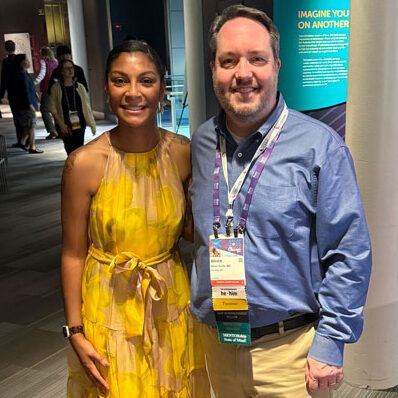
This collaboration theme was echoed throughout the conference. Dr. DiBella and I shared a presentation called “Mind the Gap: Partnering Pediatrics and Psychiatry for Youth Mental Health,” where we described different efforts to better integrate mental and behavioral health into primary care. We gave examples of psychiatrists providing integrated care in pediatric clinics and highlighted efforts to support primary care providers in our region through initiatives such as the Extension for Community Healthcare Outcomes (ECHO) courses offered by Cincinnati Children’s, as well as our contributions to Ohio Minds Matter, a statewide initiative funded by the Ohio Department of Medicaid and other government sources. This platform provides web-based content and interactive modules for primary care providers on topics including ADHD, anxiety, depression, bipolar disorder, trauma, and suicide risk.
Honoring Legacy and Looking Forward
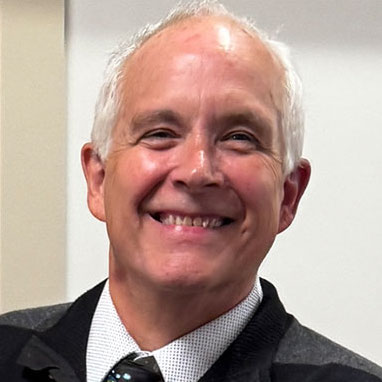
This year’s meeting was also a time to honor the legacy of Dr. Michael Sorter, whose dedication shaped our psychiatry division and the national landscape of child mental health. As the division’s interim director Dr. Suzanne Sampang shared, “A highlight for me was when members paid tribute to our late Dr. Michael Sorter with a video message from Dr. John Constantino, who spoke of Mike’s dedication and lasting impact. Our faculty and trainees continue to be leaders and innovators during a time when children need us more than ever.”
Throughout the meeting, I was reminded of Dr. Sorter’s influence. Colleagues from across the country approached me to share their appreciation for his mentorship and leadership. His legacy lives on in the active engagement and achievements of our faculty and trainees.
The Value of Community
AACAP’s annual meeting is more than a conference; it can be a catalyst for professional development, collaboration, and inspiration. For trainees like Dr. Stimpfl and Dr. Stefani, for early career faculty like Dr. Soe and Dr. DiBella, and for all of us, AACAP provides opportunities to grow as leaders and to contribute to the field on a national stage.
I am grateful for the chance to be part of this community and also for Cincinnati Children’s support of our faculty and trainees as active participants within this community. To all I had the chance to engage with at this past meeting, I look forward to continuing our shared work to advance child and adolescent mental health.



Latest Posts

About this blog
The Research Horizons blog features news and insights about the latest discoveries and innovations developed by the scientists of Cincinnati Children's. This blog does not provide medical advice, diagnosis, or treatment. Email researchnews@cchmc.org with questions or ideas.
Subscribe to Our Newsletter