

The Schubert Research Clinic: A Unique Resource for Clinical Studies
Post Date: April 30, 2026 | Publish Date:

Research Annual Report 2025
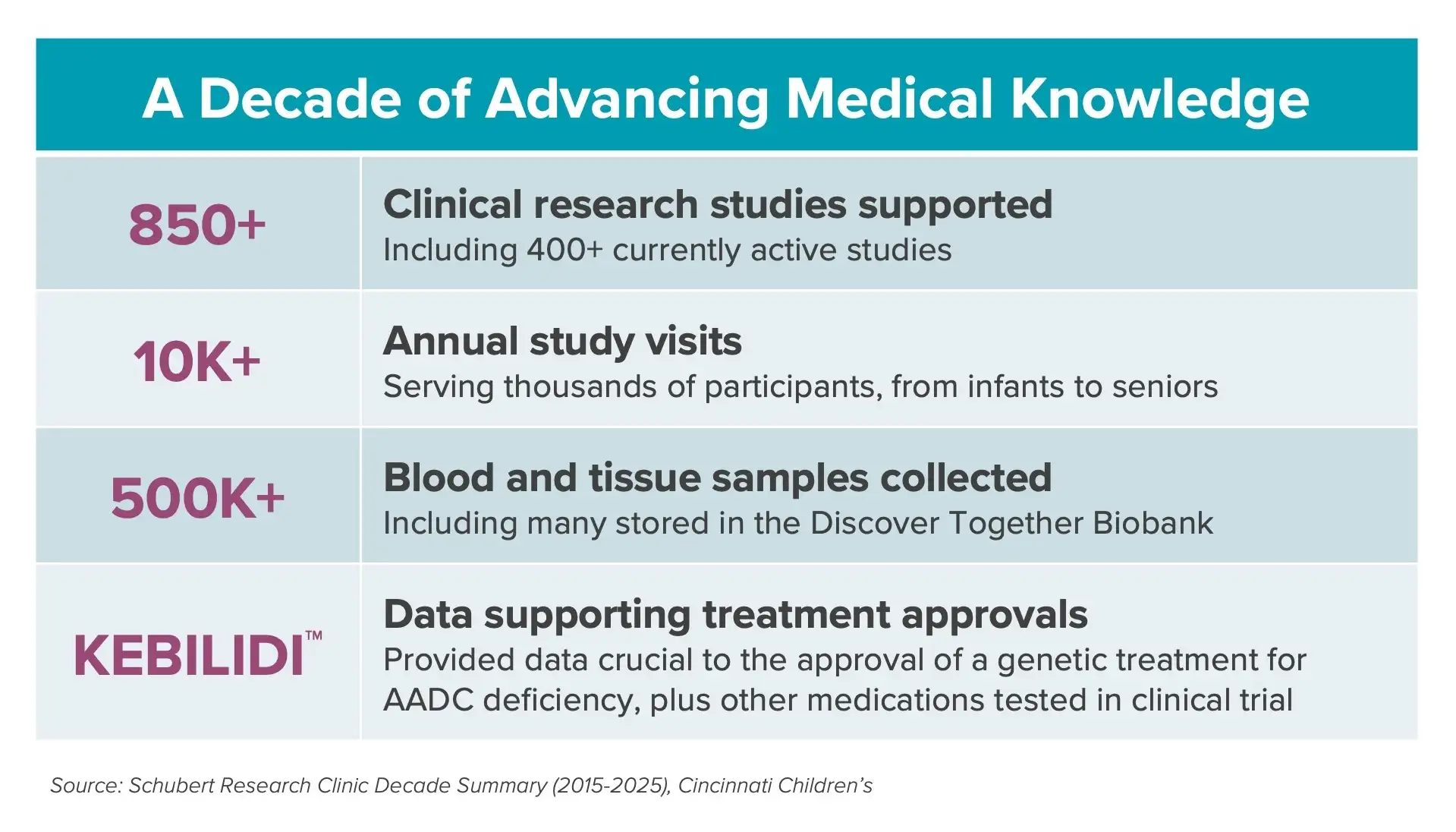
Outpatient services dedicated to research have grown in scale and impact across a decade
Few places among the growing campuses of Cincinnati Children’s demonstrate the spirit of collaboration between clinicians and scientists as directly as the Schubert Research Clinic.
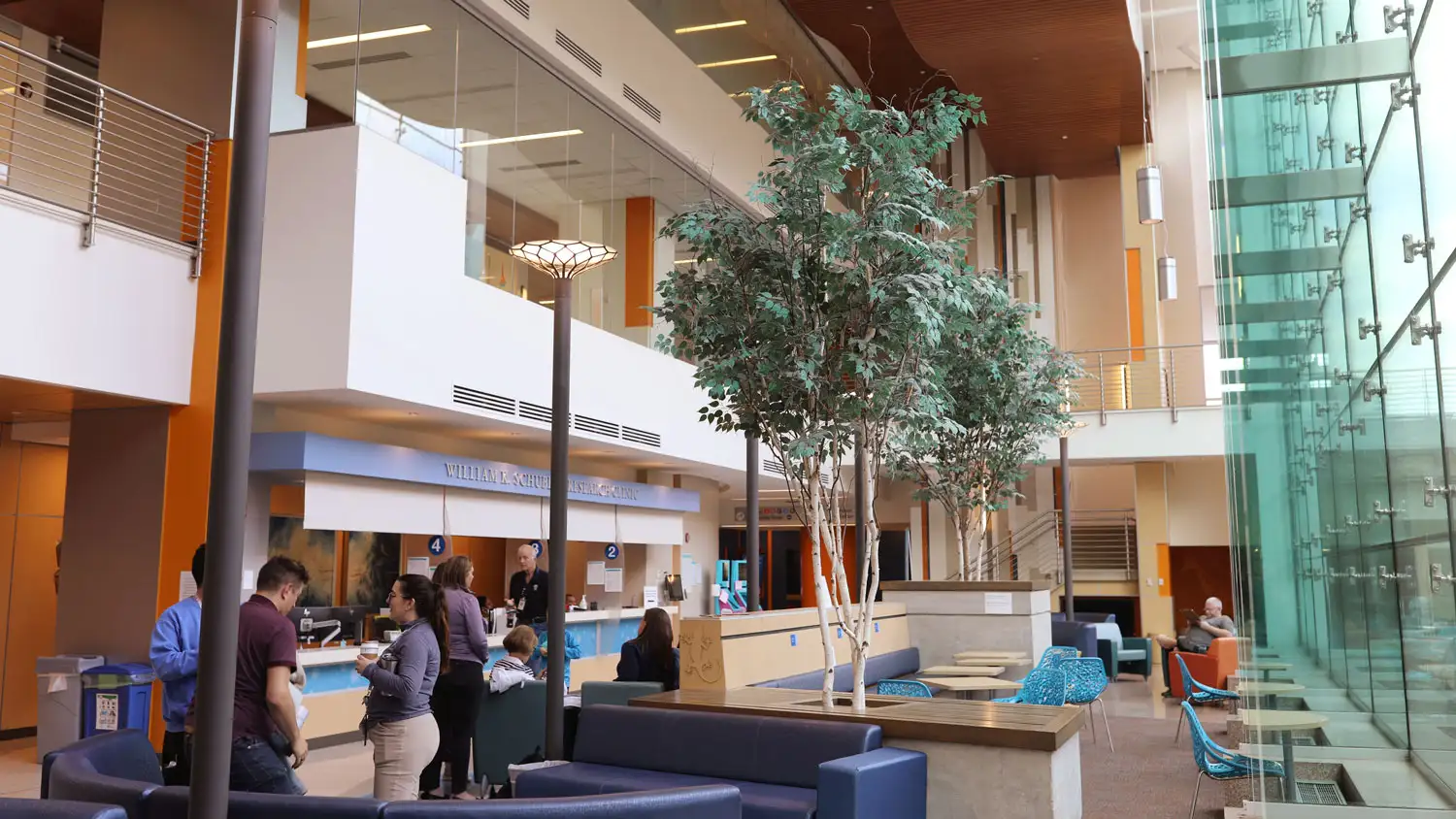
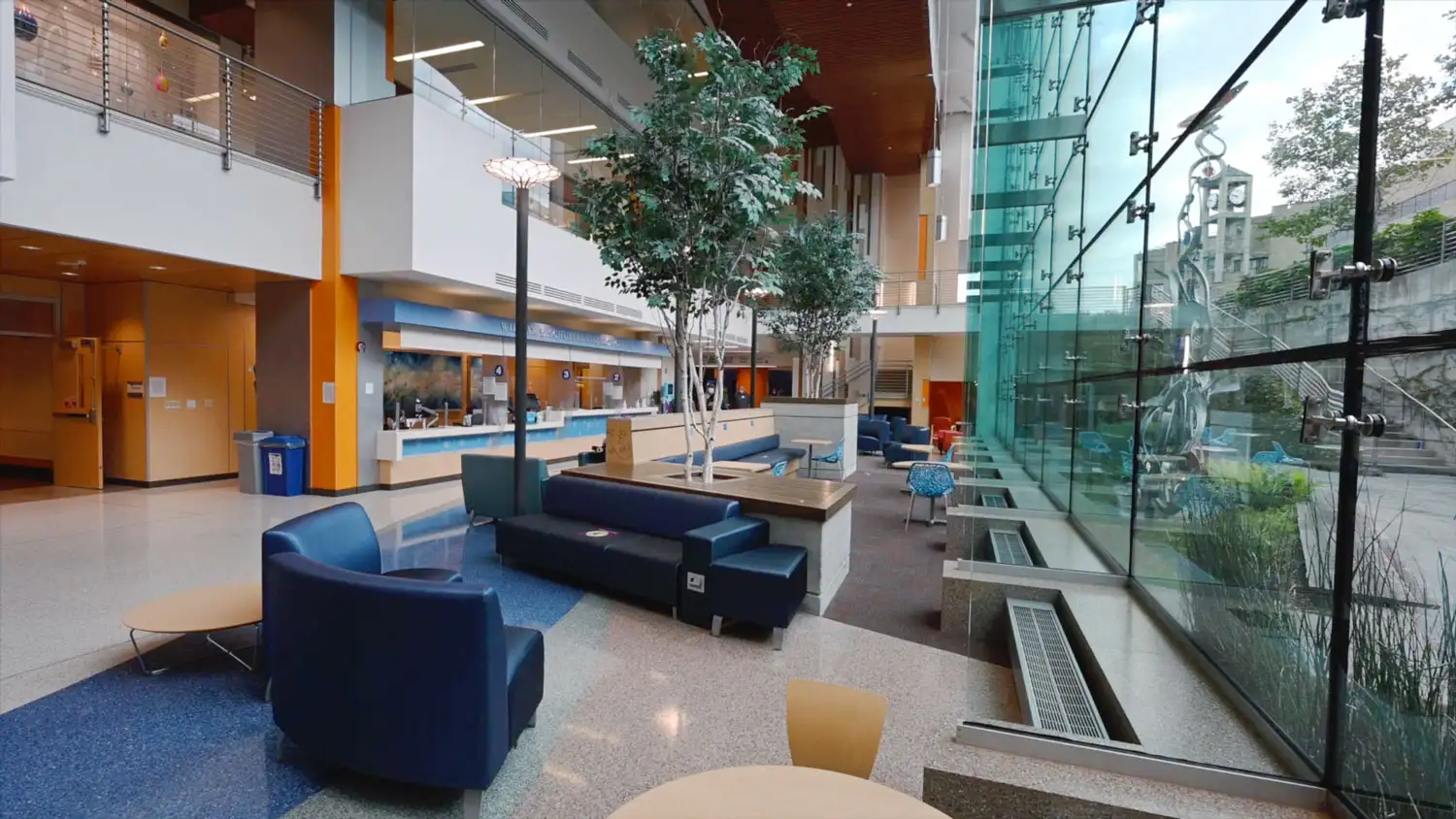
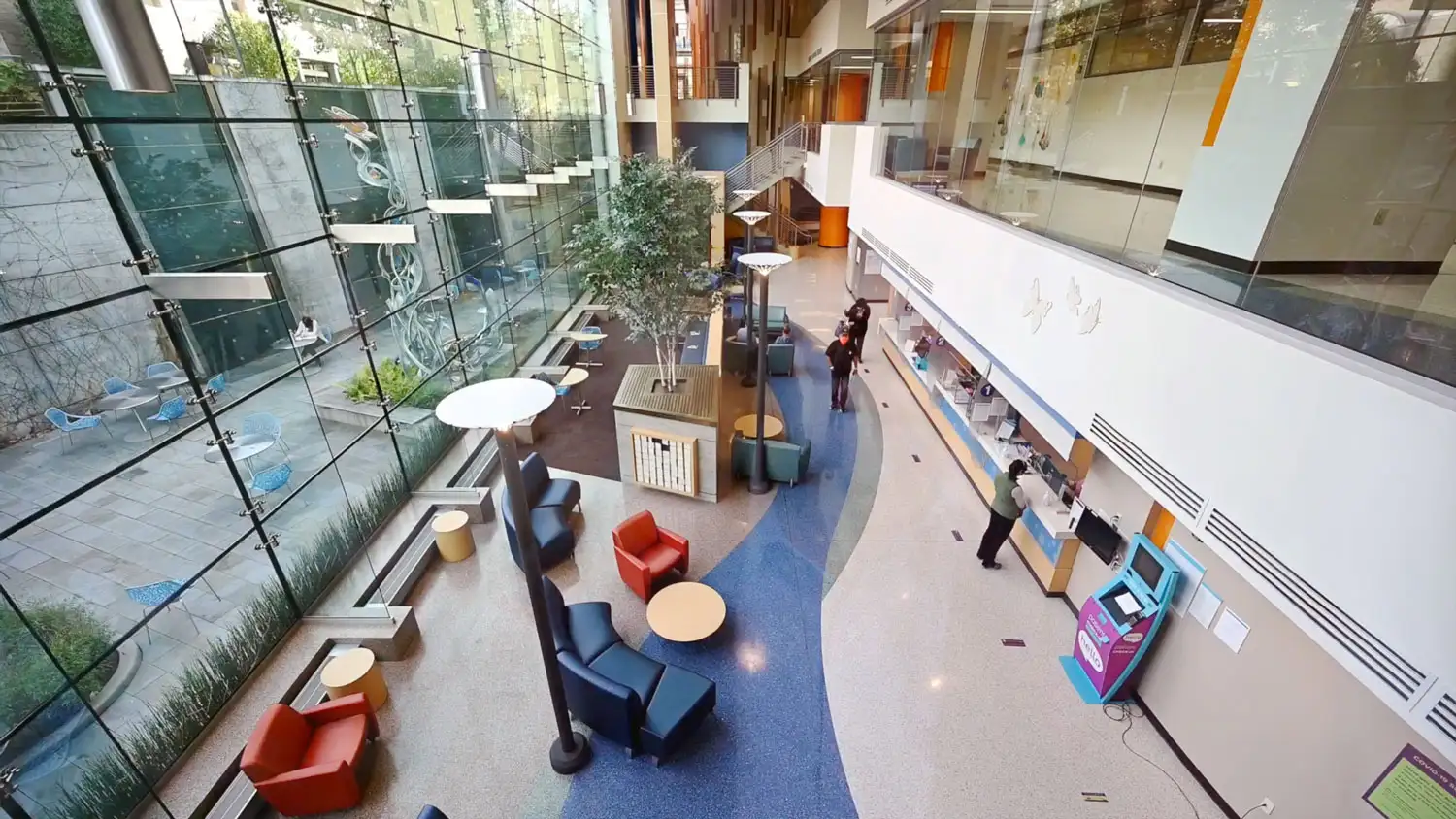
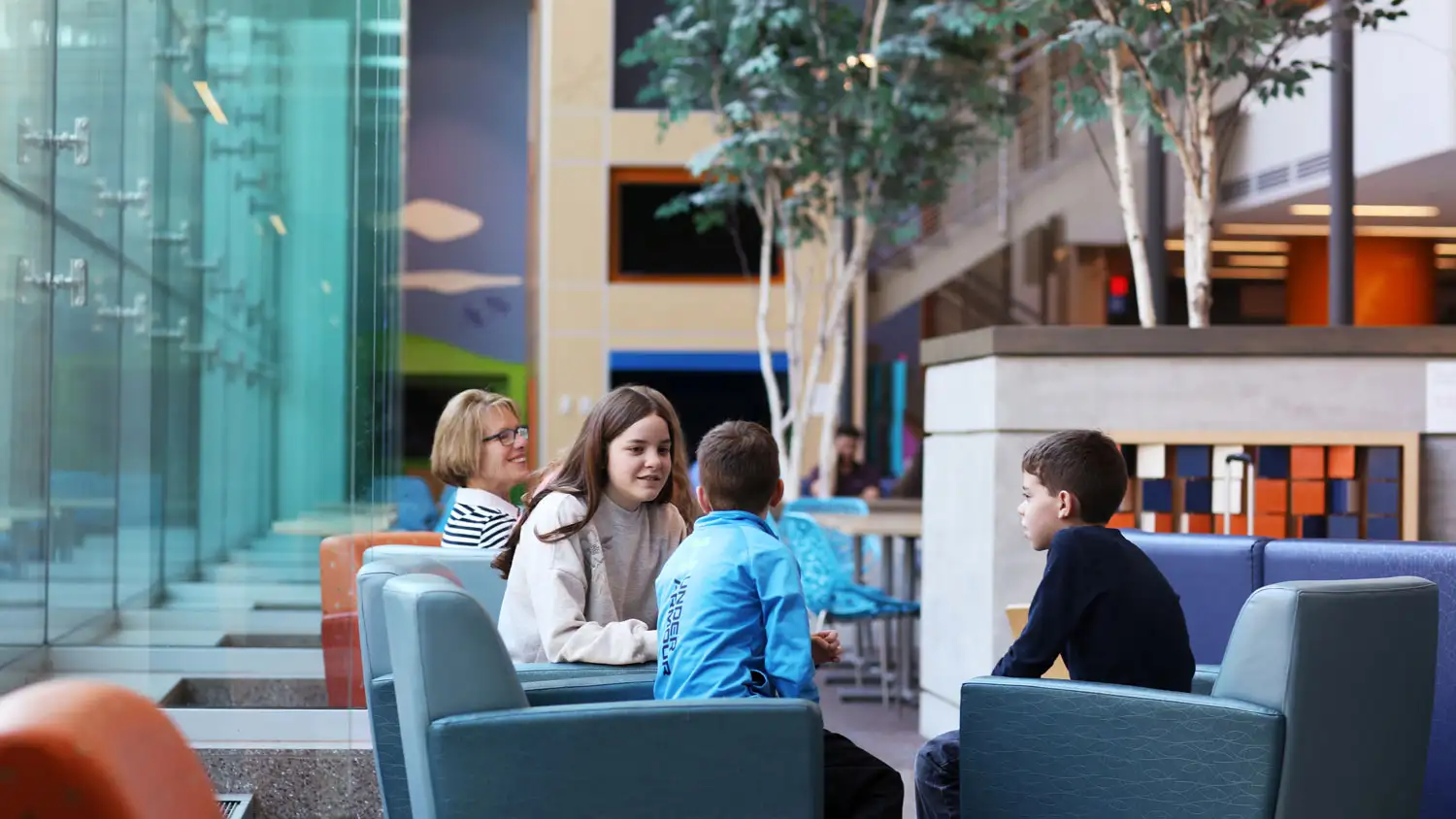
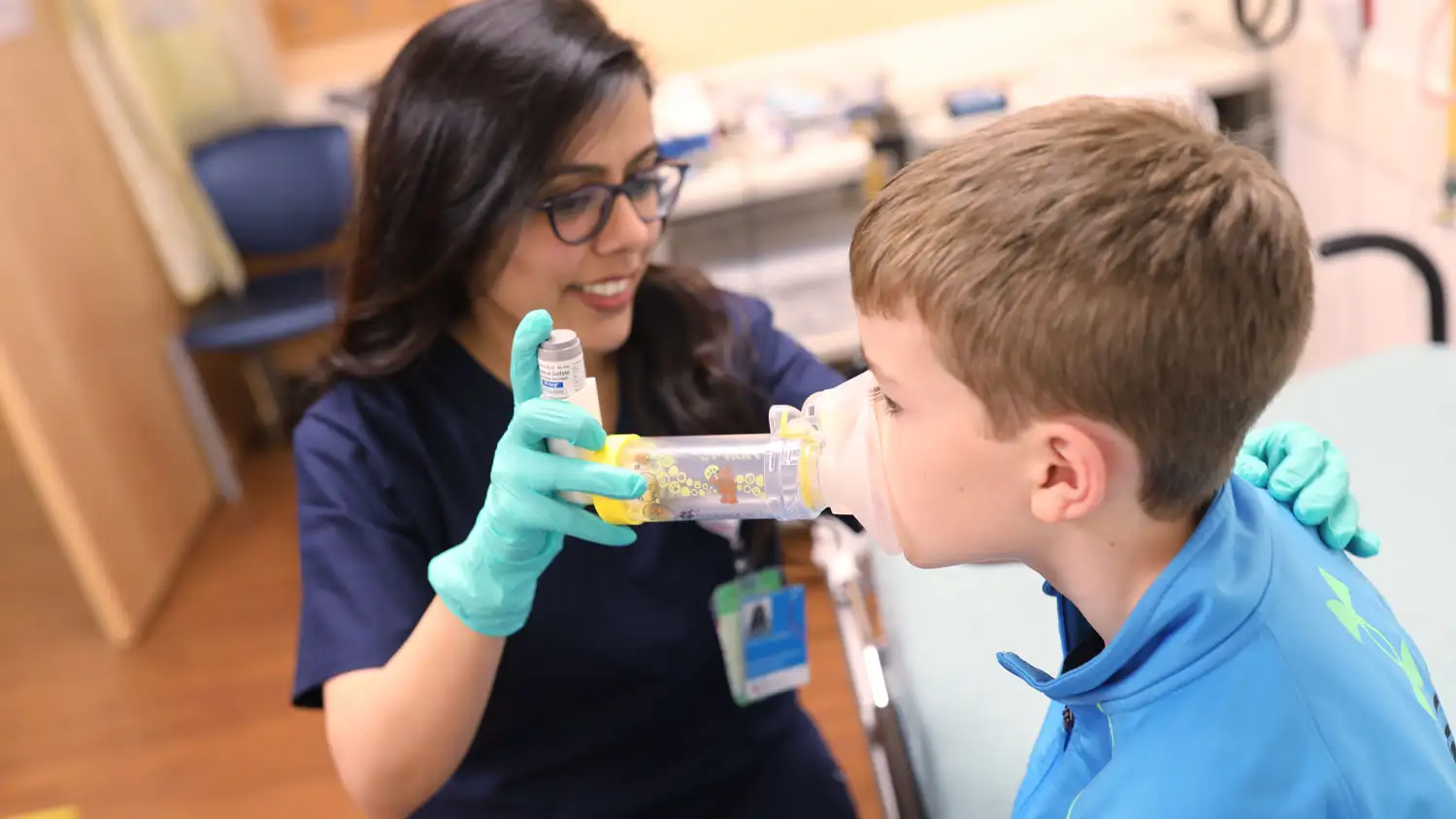
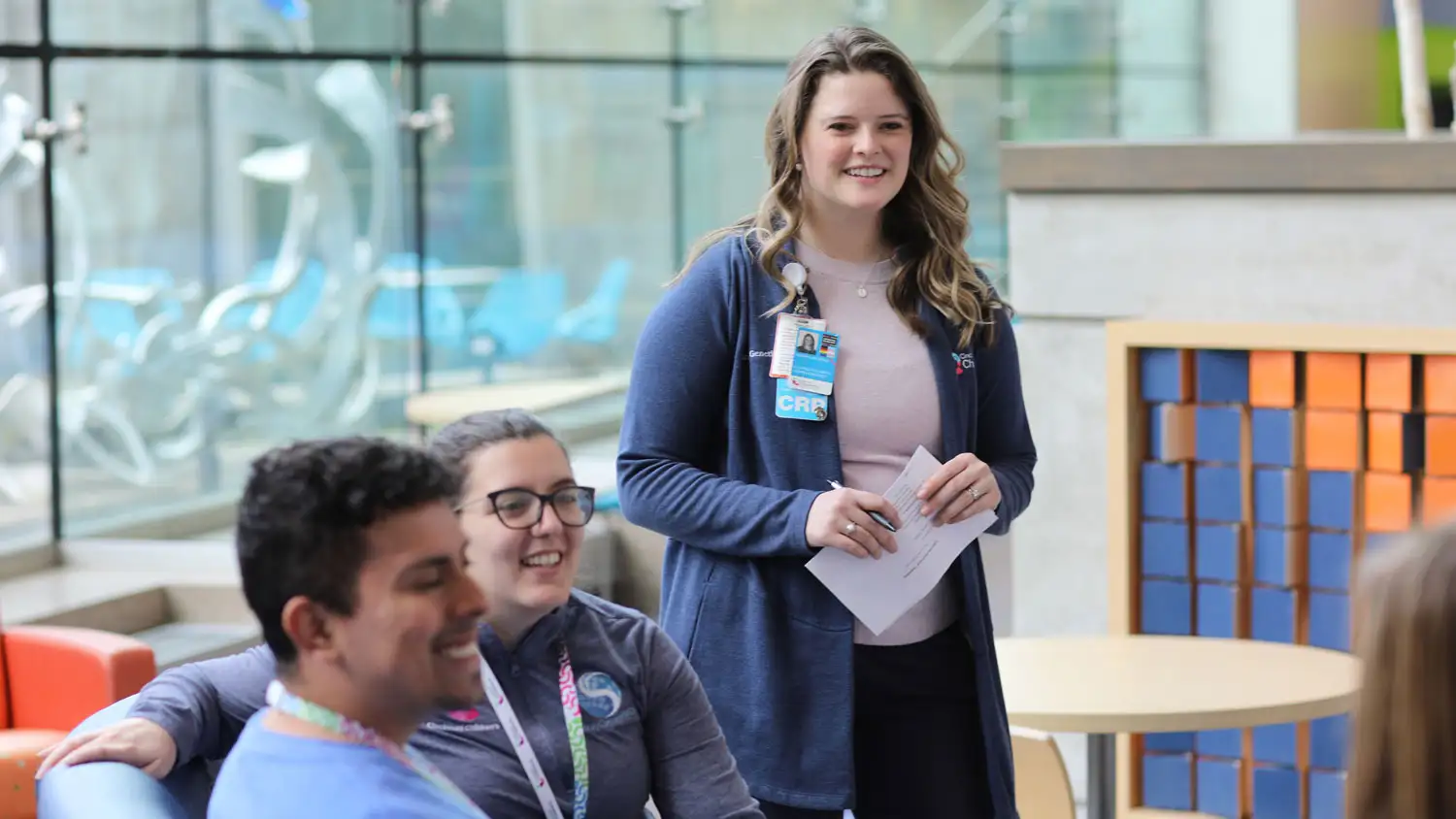
Here, along a street named after legendary polio vaccine inventor Albert Sabin, MD, children and adults visit a welcoming space with soaring glass walls, patient-produced art, a cascading water feature, and more. All designed to make people comfortable as they participate in crucial medical research studies.
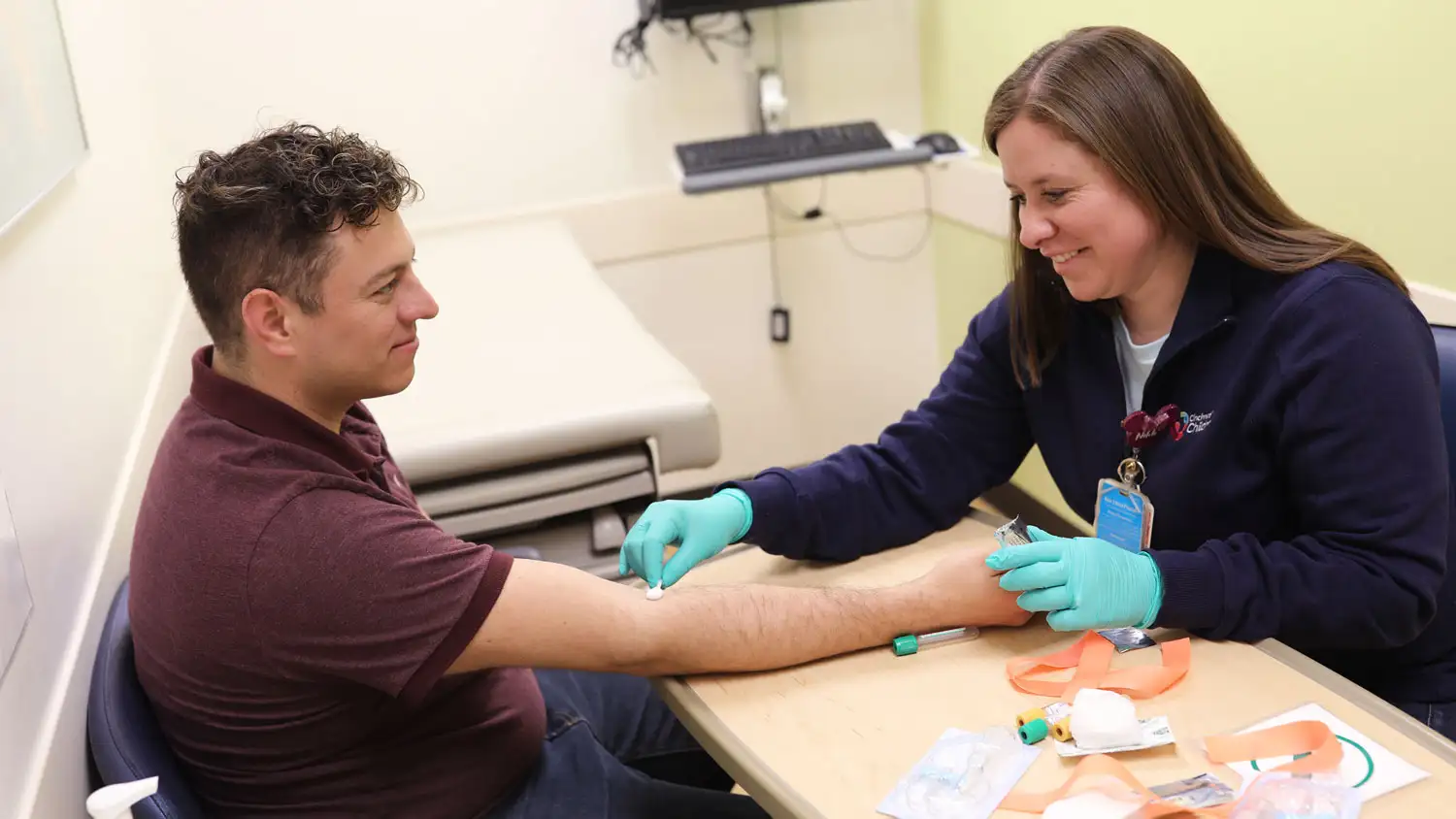
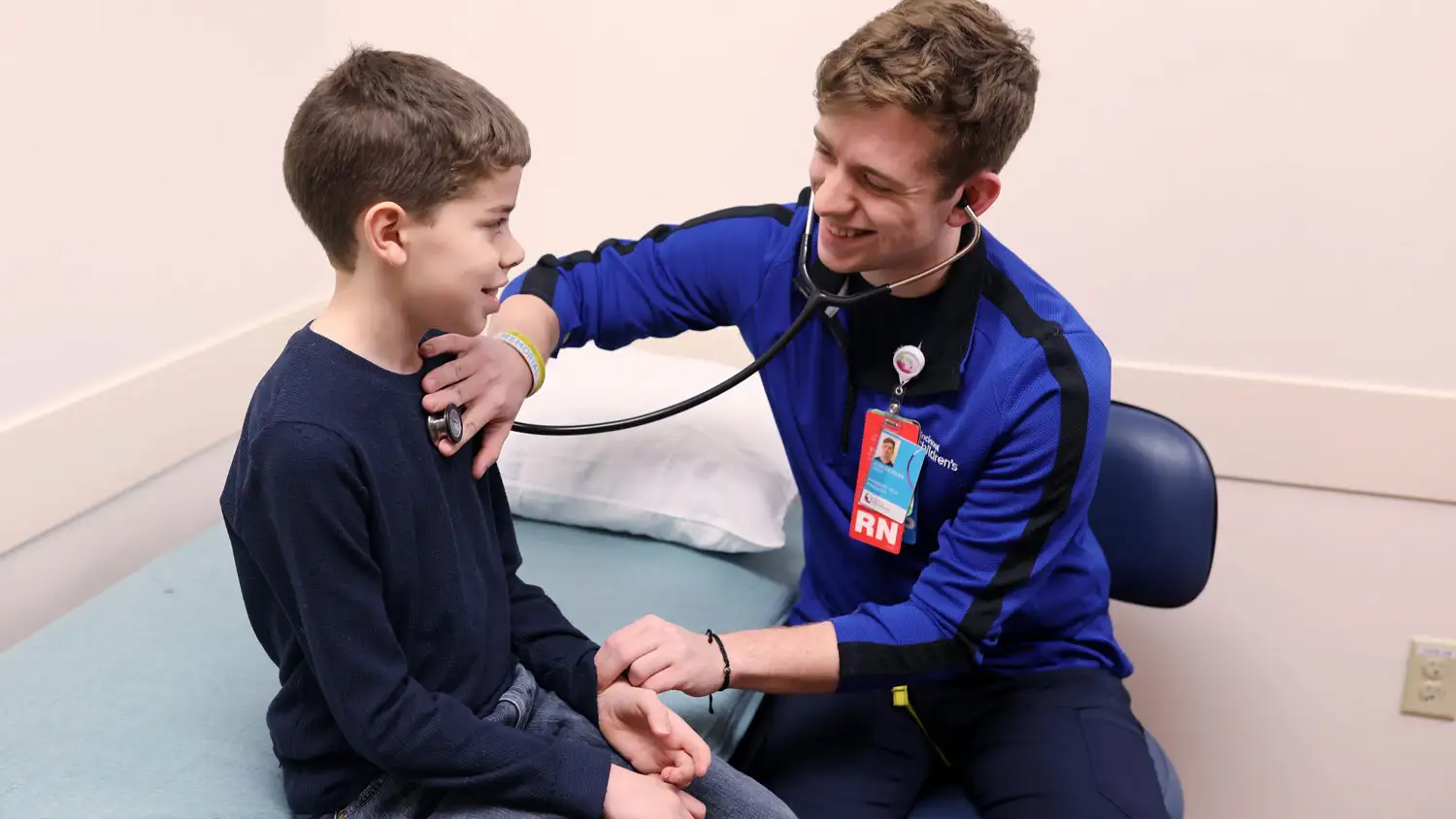
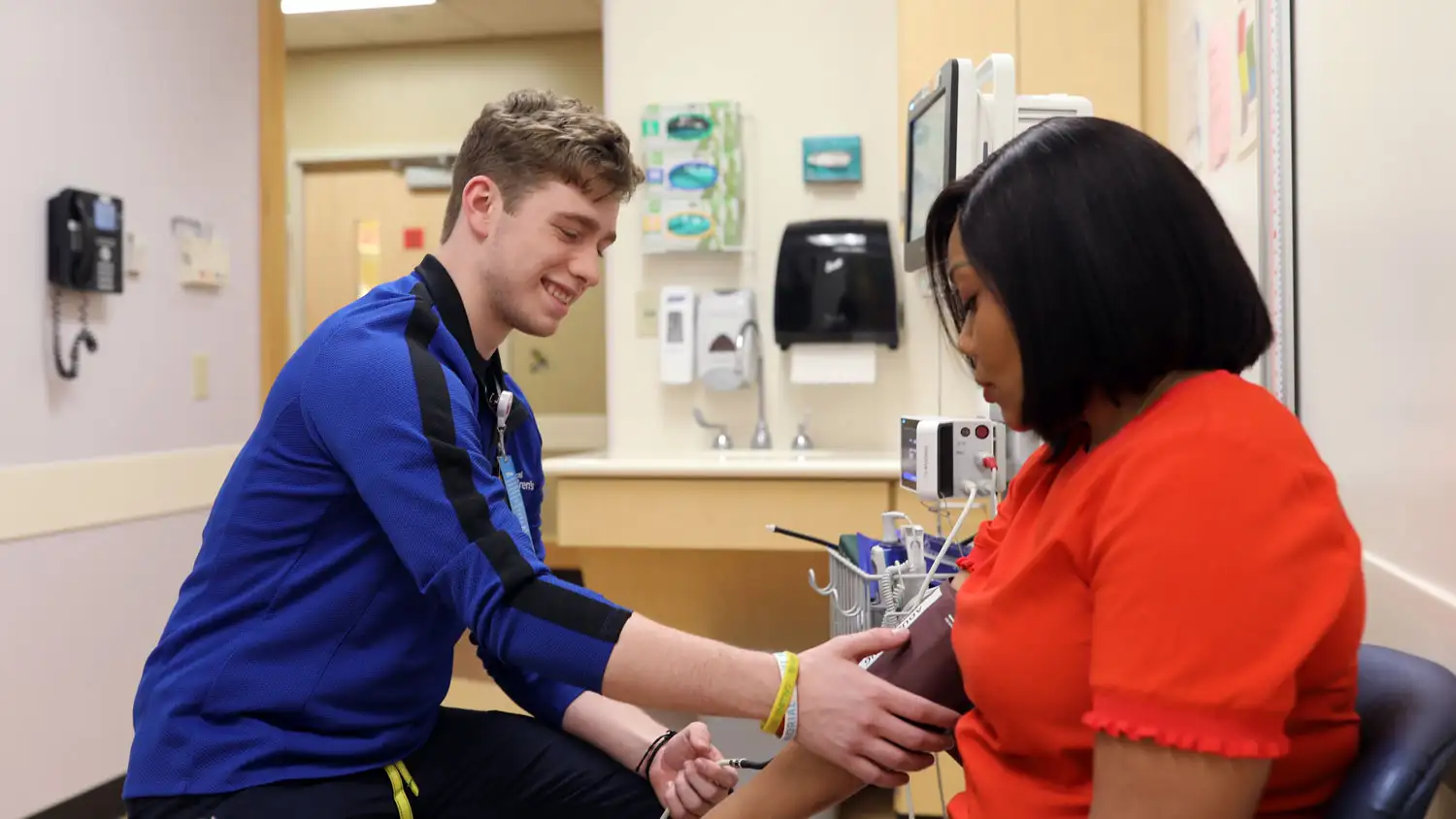
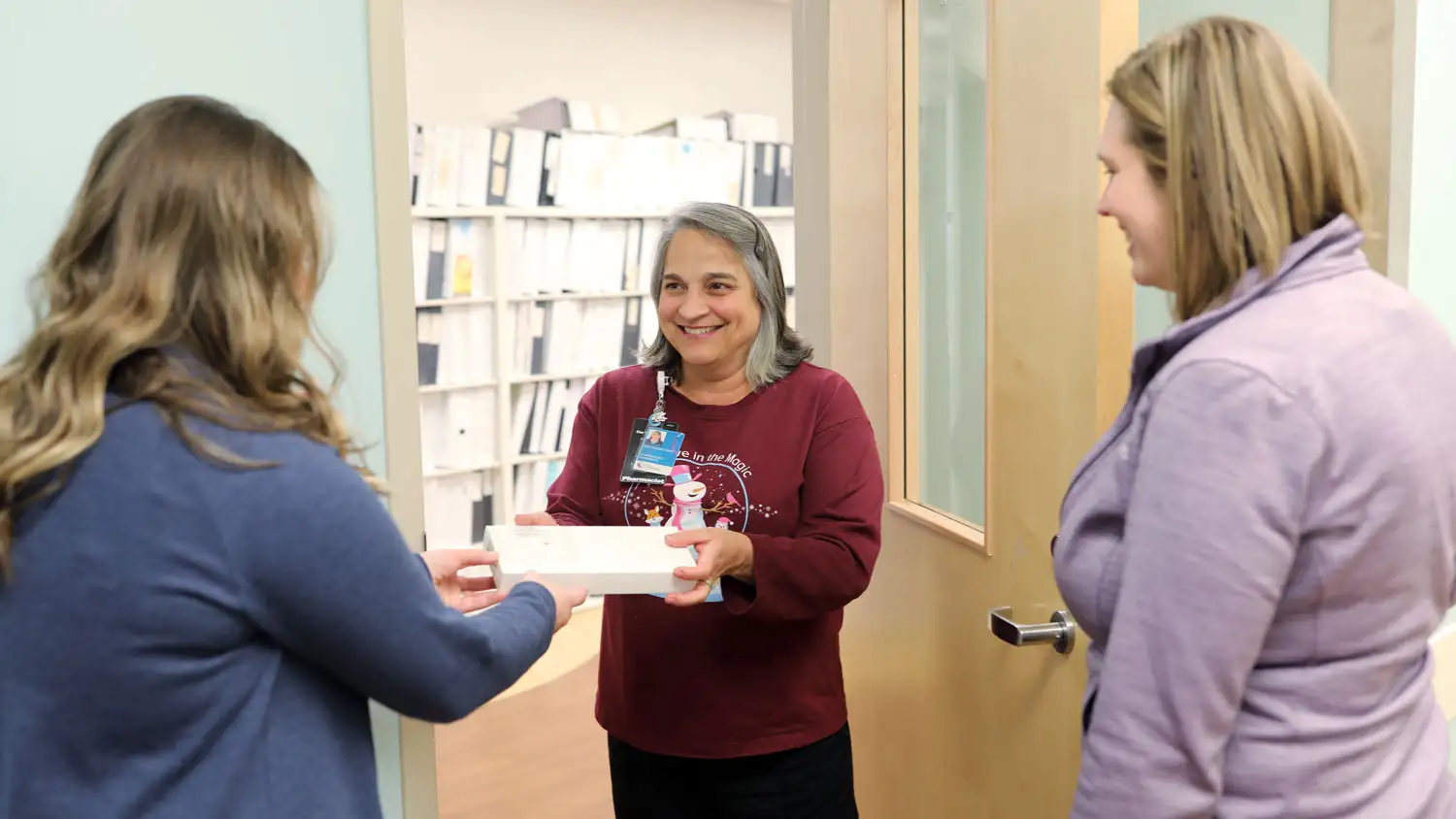
“We know that some patients coming in for their blood draws, DXA scans and other procedures can feel really nervous, so we are intentional about creating a positive, patient-centered experience that helps ease anxiety,” says Lori Brunner, MSN, RN, CPN, who has worked as a research nurse and manager at Cincinnati Children’s for more than three decades. “Some of our participants come in on a weekly or a monthly basis, sometimes for years. They get to know our staff, and we get to know them.”
Launched in 2015 on the ground floor of the Clinical Sciences Pavilion (Location T) on the Burnet Campus, the Schubert Research Clinic reflects the conversion of an eight-bed inpatient unit for research participants into a 28-room outpatient clinic with vastly expanded capabilities.
The clinic is named after the late William Schubert, MD, a titan of pediatric medicine who served as the second president and CEO of Cincinnati Children’s. Schubert played a foundational role in driving a mission of compassion and excellence that helped the hospital grow into a world-renowned pediatric system where clinical care and research have walked hand-in-hand for decades.
Watch a video about Dr. Schubert
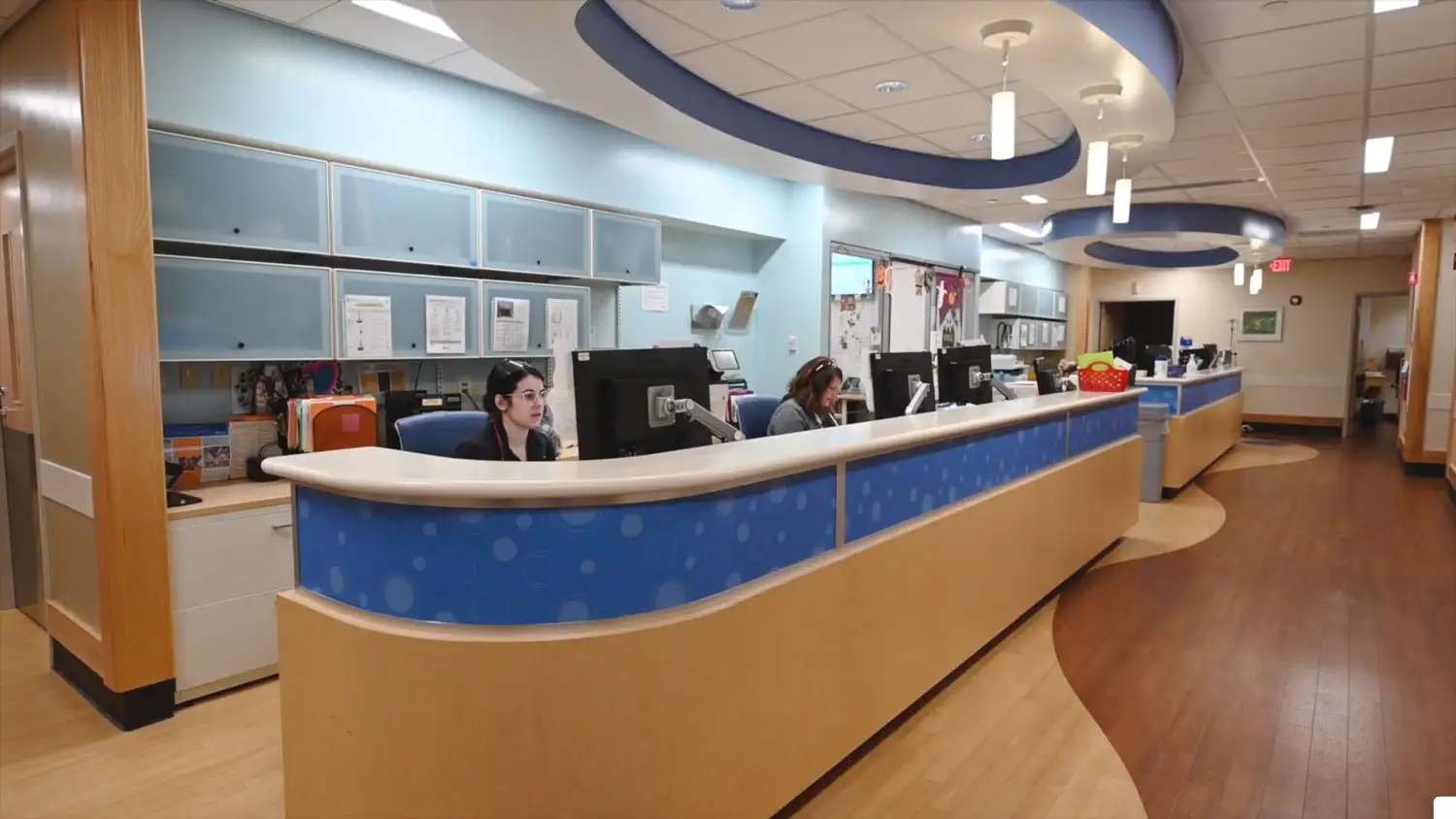
Today, more than 10,000 participants a year make regular visits to support a large and diverse portfolio of research studies. Among the largest of its kind, the Schubert Clinic alone supports more than 450 active studies and offers a unique model of care in which each investigator is paired with a dedicated research protocol nurse who works with the study team from start to finish.
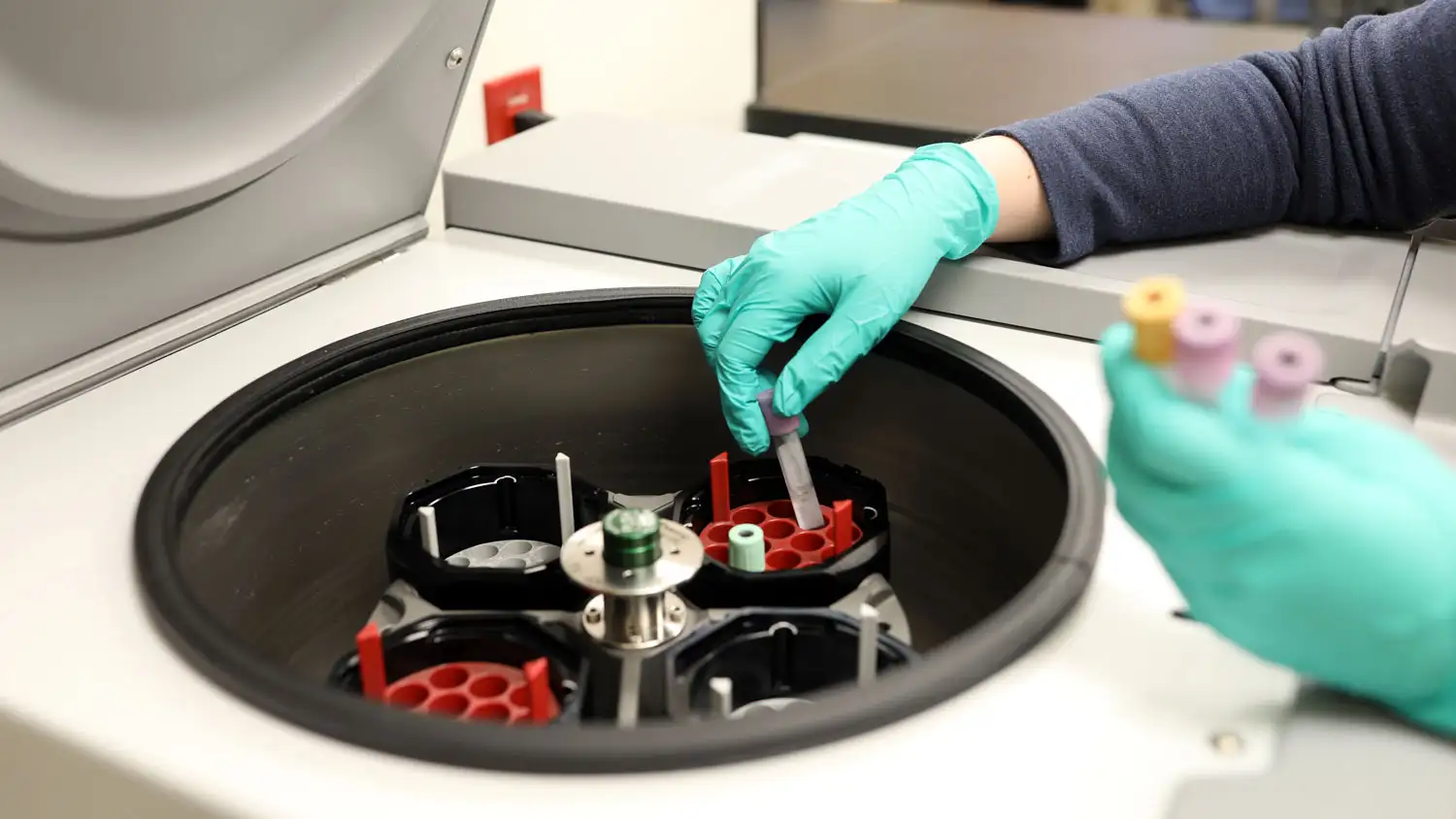
This work is further supported by the expertise of research nurses and research assistants, and an on-site processing laboratory that enables the clinic to manage a high volume of participant samples efficiently and with precision. The facility is one of the largest of its kind.
“Part of the drive for creating a specialty clinic specifically for research was to make it much easier, faster and more efficient to conduct clinical trials and other research studies, and do so in an environment that helps make participants want to come and participate,” says Jareen Meinzen-Derr, PhD, MPH, division director of the Schubert Research Clinic and co-director of the Center for Clinical and Translational Science and Training (CCTST), a shared resource between Cincinnati Children’s and the University of Cincinnati.
“This center also makes it easier for a lot of the investigators who are trying to figure out how to navigate research in clinical spaces. The Schubert Clinic is a very unique place to be able to do that.”
Transformative gene therapy outcome tracked here
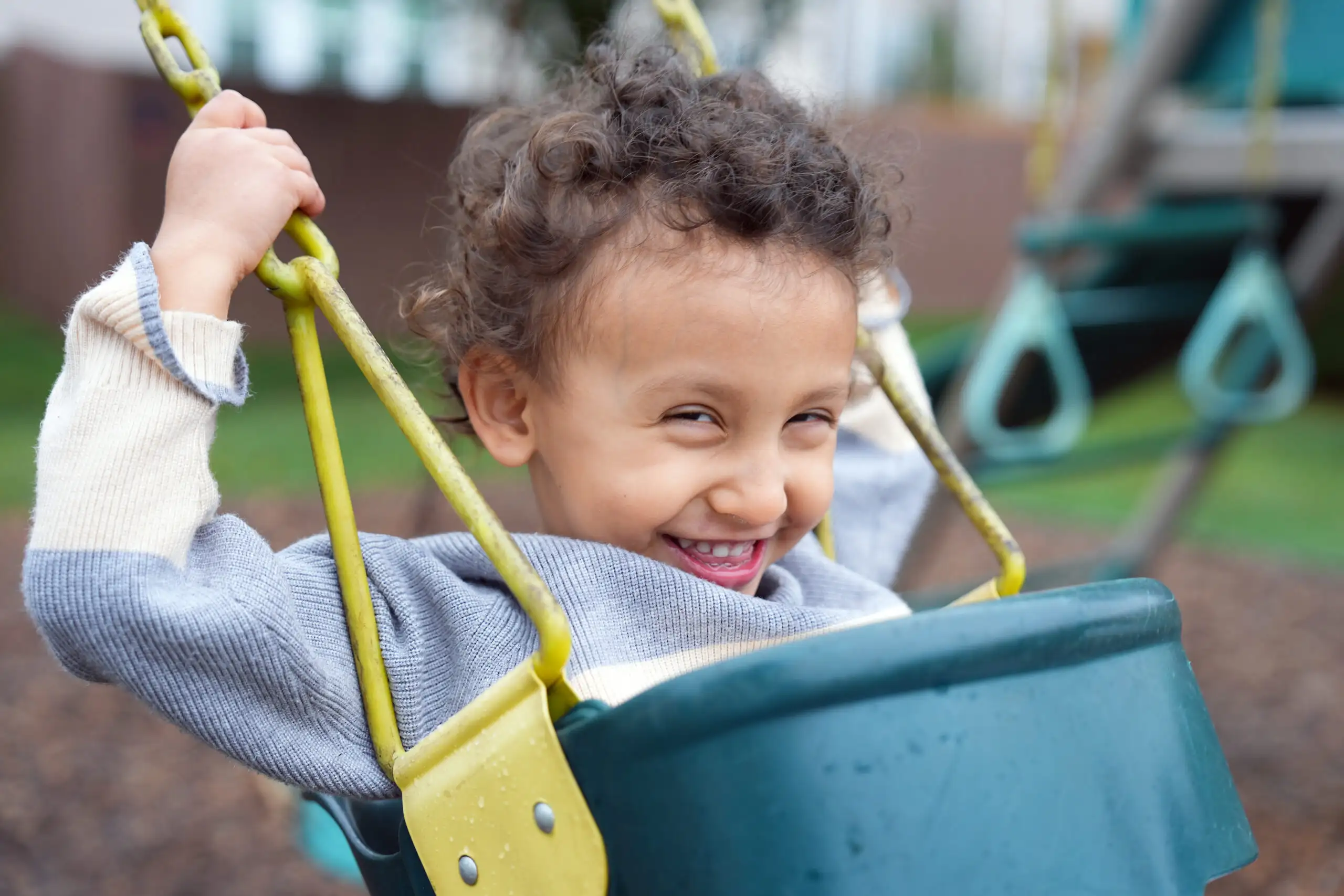
Seeing a smiling toddler chasing his older sister around the sunlit lobby at the Schubert Clinic on an April afternoon in 2024 might have seemed routine for a pediatric hospital. But to see Sriansh Ojha doing the chasing was something closer to a medical miracle.
Sriansh was born with a rare genetic condition called AADC deficiency. During his first year of life, Sriansh struggled to eat, could not lift his head off the bed, could not control his eye movements, and was not expected to ever be able to walk, much less run. But in November 2022, at age 16 months, he became the youngest child in the world to receive a remarkably successful one-time gene therapy now marketed under the brand name KEBILIDI™.
Since his treatment, the family has travelled many times from Lexington, KY, to Cincinnati, where the nurses at the Schubert Clinic have documented his progress.
“Gene therapy is a blessing I must say. You can see my child, before and after, and see that it works. He’s a new person. He has a new life,” says his mother, Bhawana Dhakal.
Read more about Sriansh
A nexus for longitudinal studies
Meanwhile, the Schubert Clinic has long served as a base for participants in the long-running Health Outcomes and Measures of the Environment (HOME) Study, launched at Cincinnati Children’s in 2001.
Over the years, more than 220 scientific publications have been based on data from the HOME Study cohort. Among the most recent: a study reporting that early exposure to per- and polyfluoroalkyl substances (PFAS) — also known as “forever chemicals” — can have lingering harmful effects on teen bone health.
Cincinnati Children’s co-authors included Halley Wasserman, MD, MS, Kim Cecil, PhD, and Kimberly Yolton, PhD. All the data for this study was collected during study visits conducted at the Schubert Clinic.
Read more in this story from CNN
A gateway to a vast research enterprise
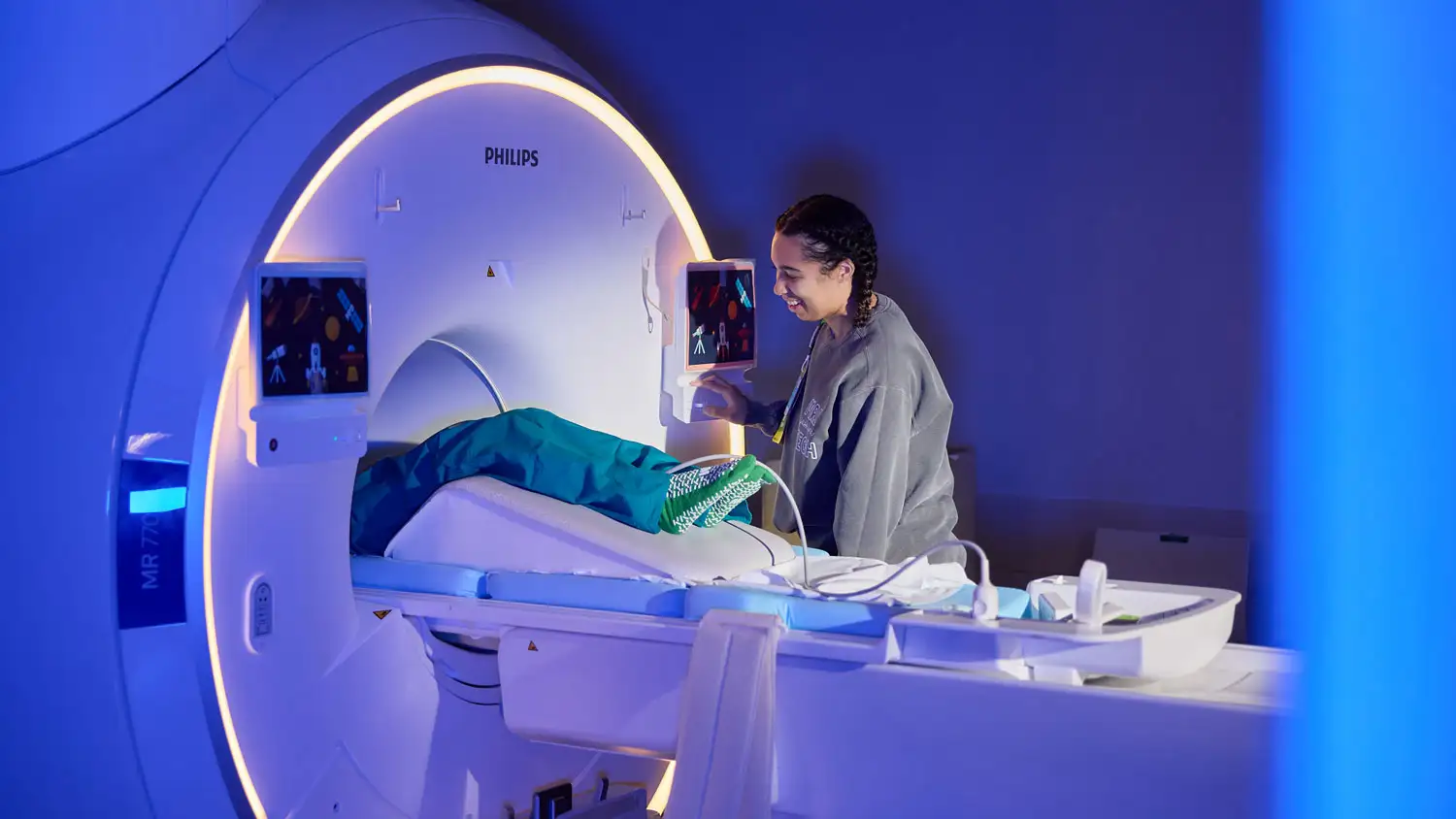
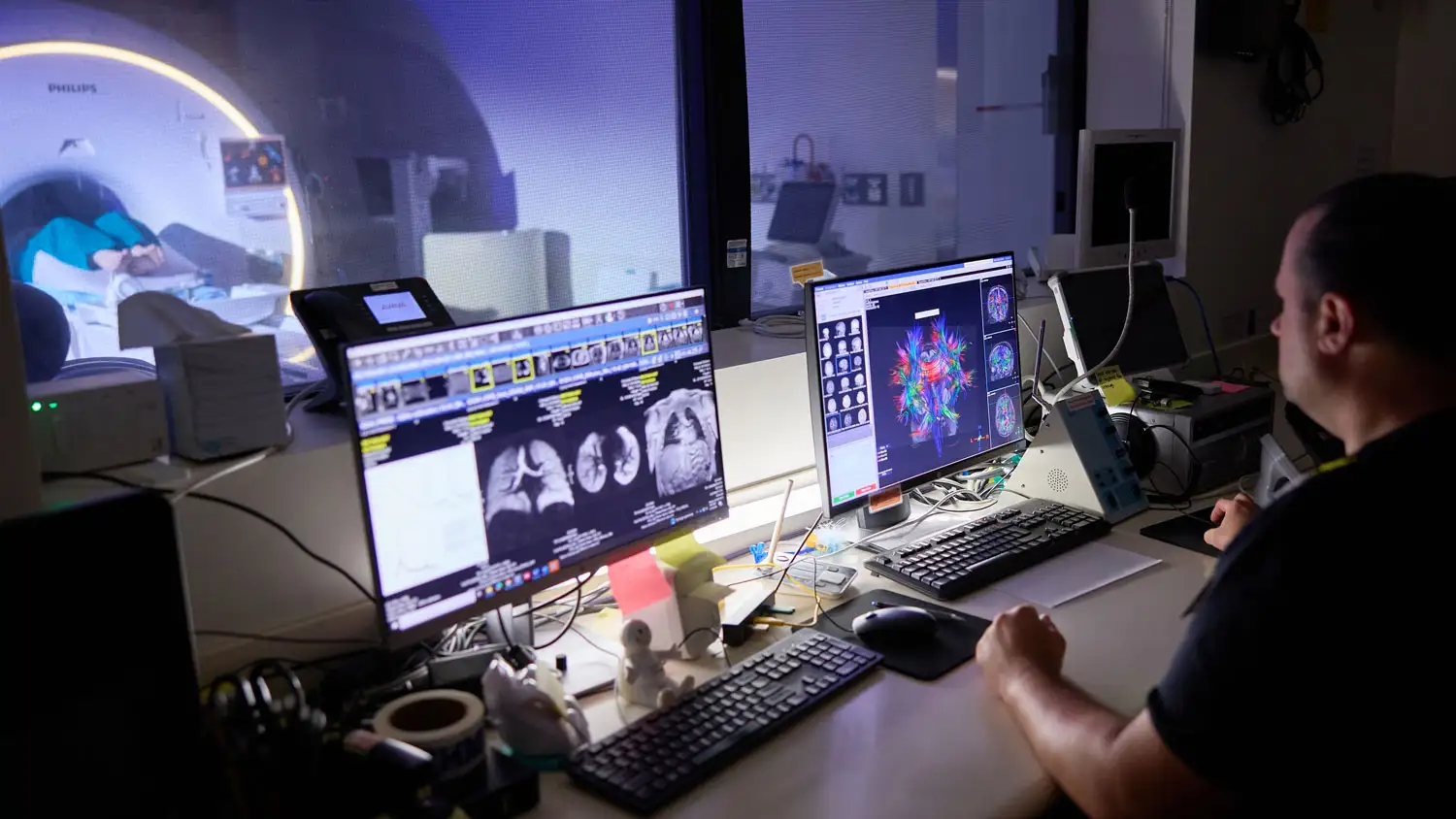
For participants, visits can be as simple as quick blood draw, filling out questionnaires, or laying down for an MRI scan. Other visits can last for hours of observation and monitoring. From this information, scientists can probe a universe of biological and environmental connections to health disorders.
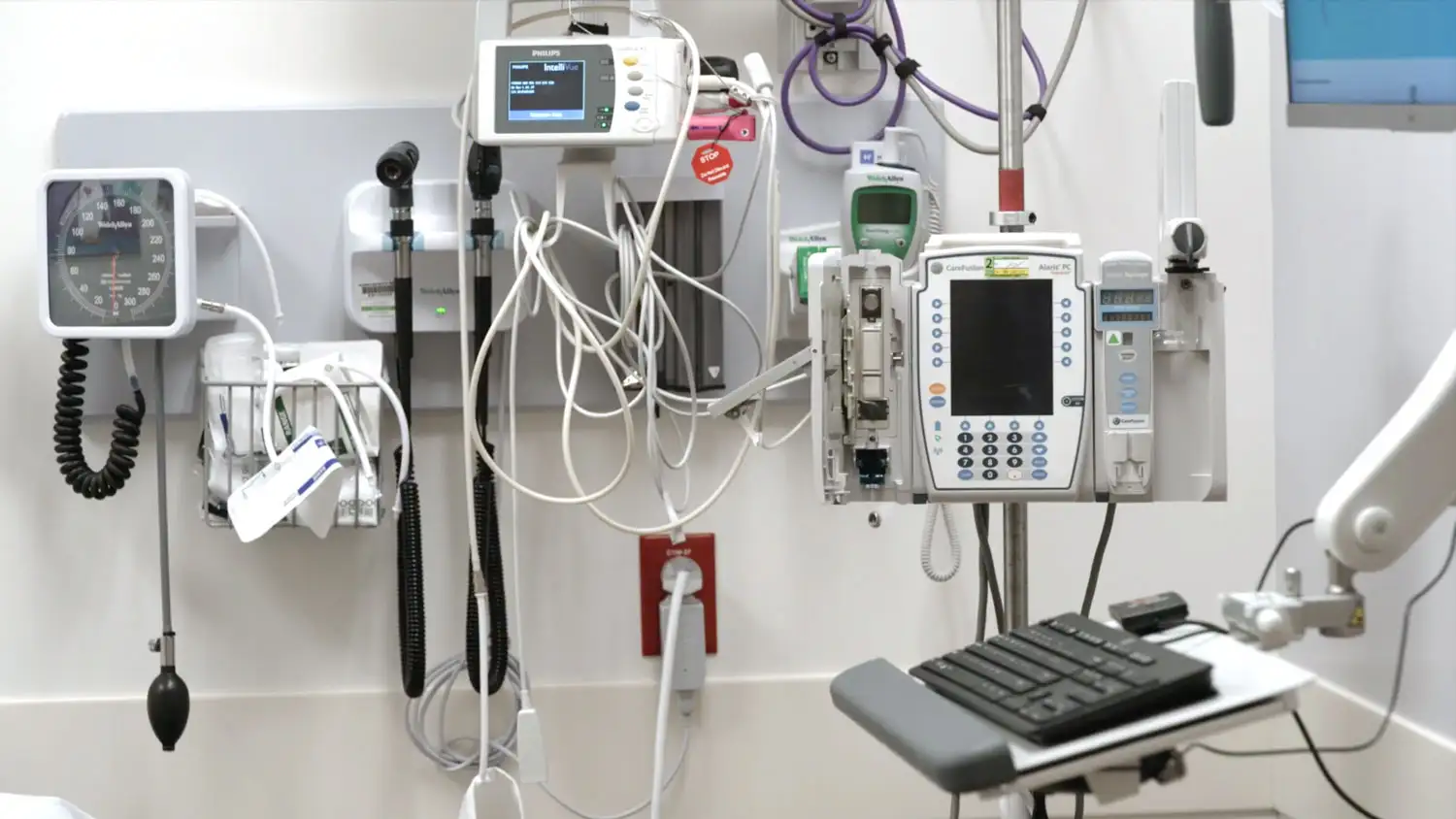
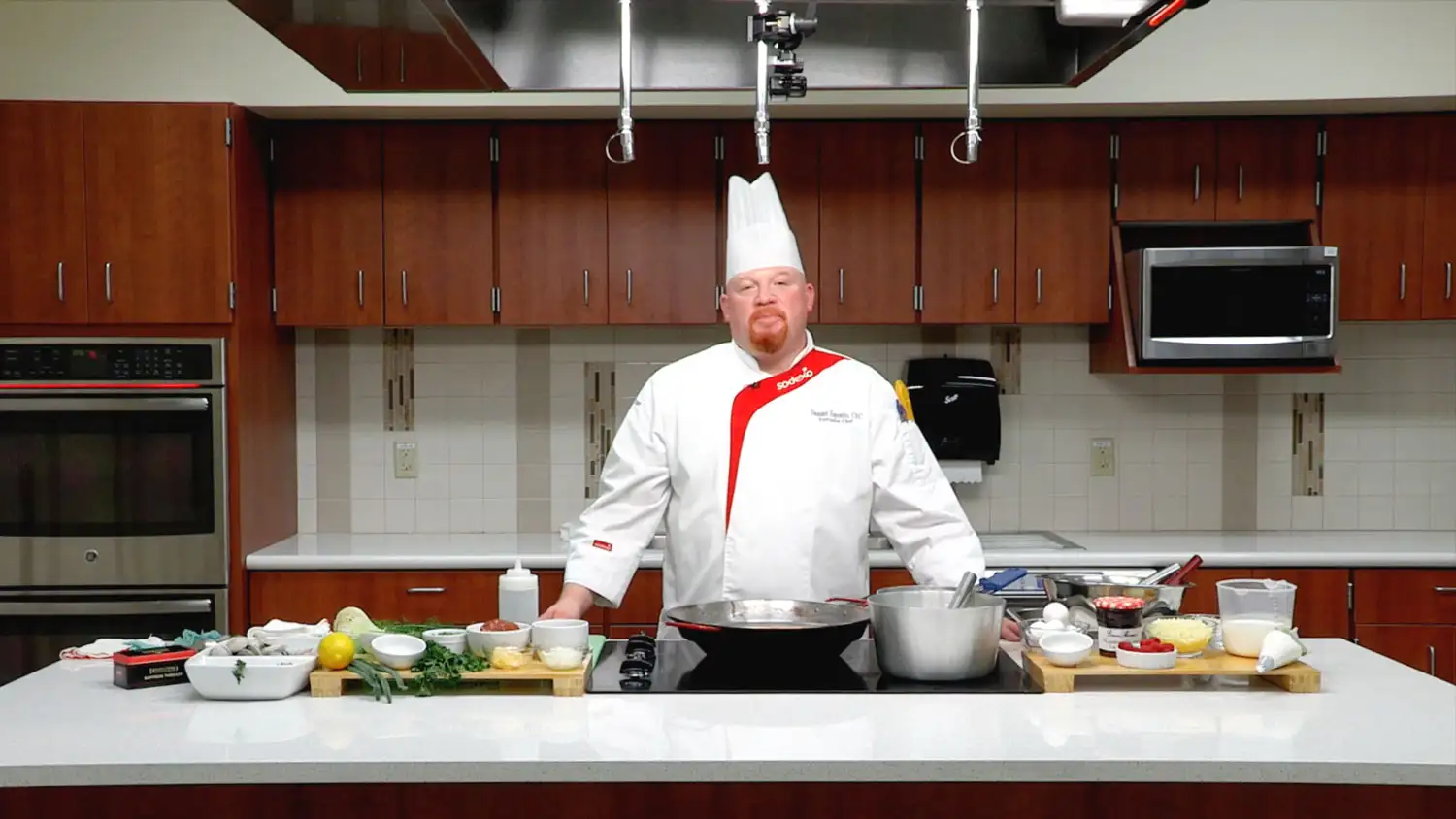
The Schubert Clinic includes biochemistry and vascular research laboratories, a body composition laboratory with DXA scanners, and a metabolic kitchen for nutritional studies, food allergy research and teaching healthy cooking.
From here samples, scans and other test results go on to labs scattered across campus and sometimes around the world. Investigators count on the Schubert Clinic to supply biomaterials needed for deriving massive collections of genetic, proteomic and other “-omic” data, for samples to be analyzed via mass spectrometry, and for evaluating drug metabolism through pharmacokinetic studies.
Always in-demand: ‘healthy controls’
Many visitors to the Schubert Clinic come in because they have rare conditions and are receiving investigational medications. But the clinic also recruits a constant stream of children and adults who aren’t sick at all. Data collected from these participants is vital to the research process.
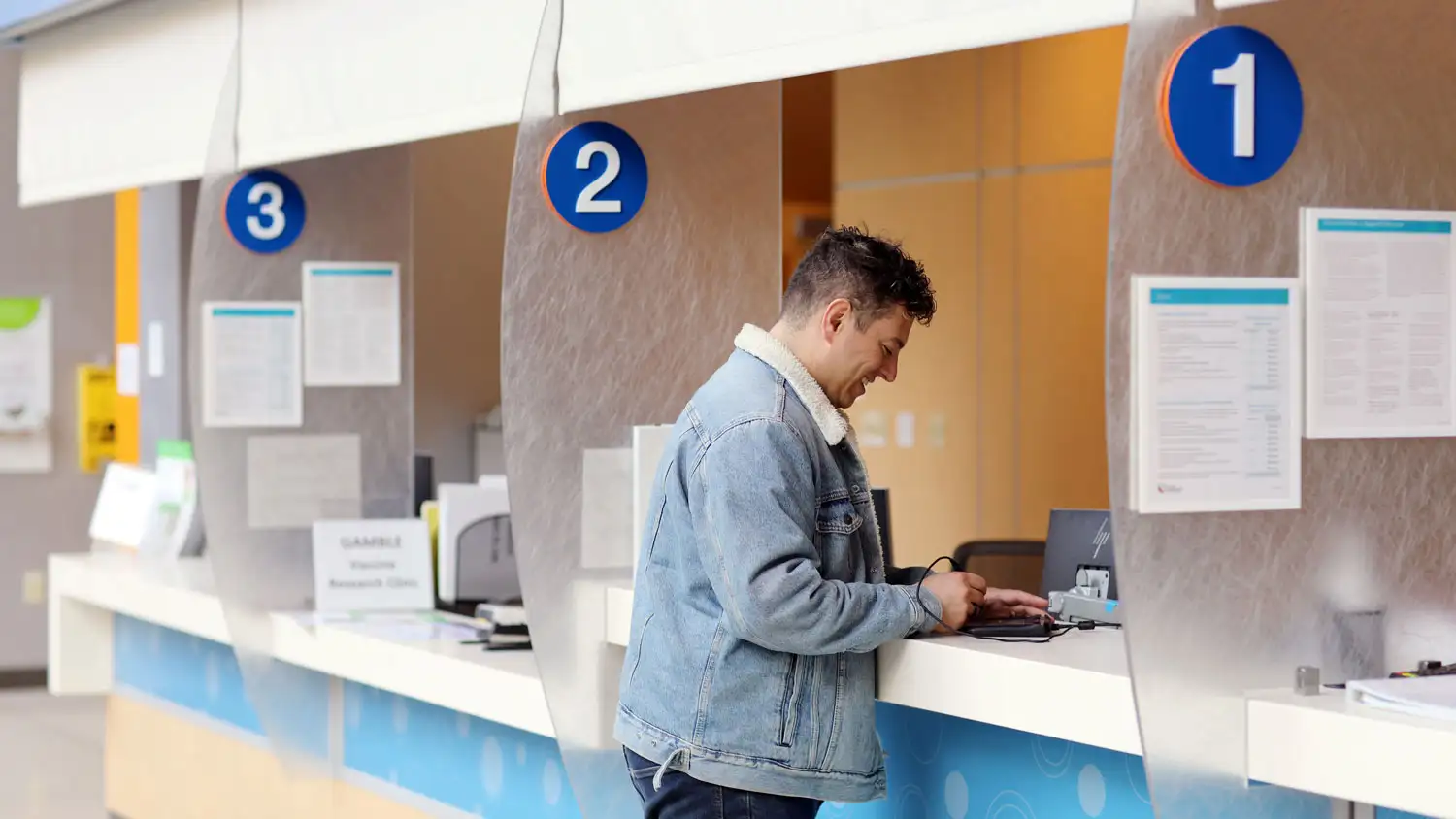
“The patients who come here obviously need the care Cincinnati Children’s provides,” Meinzen-Derr says. “But others are volunteering themselves, their time, their energy, their bodies, and there’s nothing else in it for them except to contribute to a bigger cause. And because of that, the whole staff has to be absolutely on their A-game. From the experience at the front desk to staff doing blood draws, this team is stellar.”
Clinic teams serve as research partners
With a team that includes research nurses, research assistants, and registered dietitians, the Schubert Clinic brings deep expertise in the execution of clinical research. Their experience navigating complex protocols, regulatory requirements, and providing highly skilled, personalized interactions with participants allows investigators to focus on scientific discovery while trusting the clinic to deliver consistent, high-quality data.
“We understand and work every day in this highly-regulated space. We help researchers from all levels of experience, from young investigators to long-established veterans, to gather the data they need, in the forms and formats they require,” Meinzen-Derr says. “Our consistent quality and reasonable costs can give grant applications stronger odds of winning funding, and help their research outputs stand up successfully during the peer-review process. All of that ultimately helps accelerate improved outcomes for children.”
Engaging with an often-skeptical community
Offering a pleasant facility for study participants is just one part of the never-ending work required to build and maintain trust in medical research. The Schubert Clinic is wired into a wider network of experts involved in clinical research management, outreach and communication. Key collaborators include people with the CCTST, the Michael Fisher Child Health Equity Center, the James M. Anderson Center for Health Systems Excellence, and other components of the Office of Population Health.
And sometimes, instead of bringing participants to campus, the Schubert Clinic team goes out to the community.
“One area we’re especially passionate about, and hope to continue expanding, is community-based research,” Brunner says. “A few years ago, Cincinnati Children’s hosted a conference for patients and families with Rubinstein-Taybi syndrome at the Northern Kentucky Convention Center. One of the investigators wanted to collect blood and urine samples during the event, so our team mobilized on-site support for specimen collection. We then transported the samples back to our lab for processing and storage until they were ready for analysis.”
In addition to large events, the team has worked with local retirement communities and wellness programs such as SilverSneakers to bring research opportunities directly into the community.
“We truly value this work because it allows us to reduce barriers to participation and connect with patients and families in meaningful, accessible ways,” Brunner says.
Thank you to all research participants
“Everything we do is built on trust–from the participants and families who volunteer for research to the investigators who rely on us as a partner. We are incredibly grateful for that shared trust and remain committed to supporting each of them with care, respect, and excellence.”
Learn how to engage with the Schubert Clinic
Explore the 2025 Research Annual Report
Latest Posts
About this blog
The Research Horizons blog features news and insights about the latest discoveries and innovations developed by the scientists of Cincinnati Children's. This blog does not provide medical advice, diagnosis, or treatment. Email researchnews@cchmc.org with questions or ideas.
Subscribe to Our Newsletter