

Research at Cincinnati Children’s Makes Impact in the Quest to Defeat Childhood Cancer
Post Date: September 8, 2026 | Publish Date:

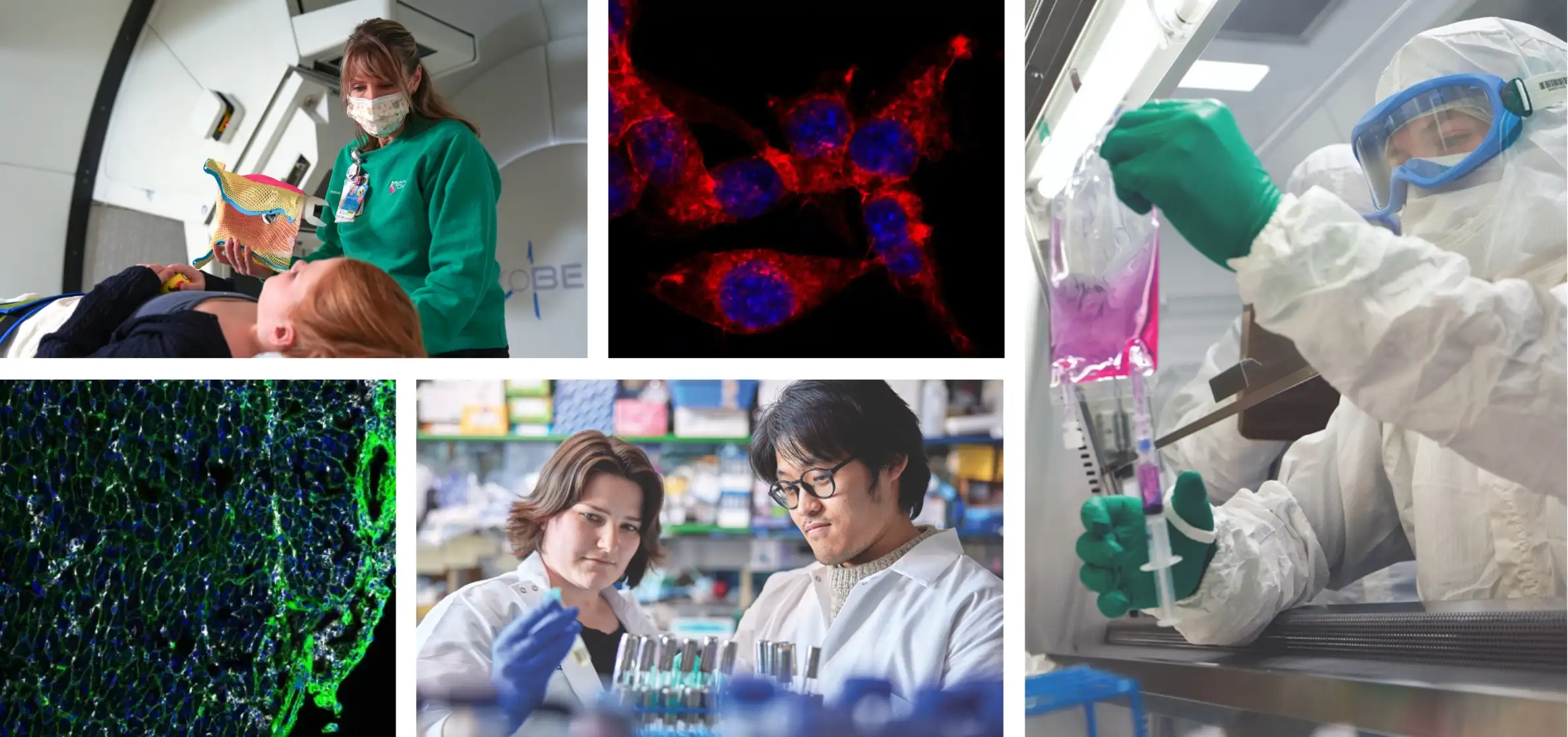
Recent advances spotlight leadership in leukemia biology, collaborative cancer research and next-generation radiation therapy designed to improve quality of life for patients
Cancer research at Cincinnati Children’s spans the full continuum of discovery, from basic science to clinical trials to evaluate new treatments.
Investigators here are shedding light on the biology driving aggressive blood cancers, testing innovative proton therapy to deliver more precise treatments, evaluating safer CAR T-cell therapy for children, and investing millions to produce early versions of gene and cell therapies to provide increasingly customized cancer care.
Together, the stories below show how Cincinnati Children’s investigators are strengthening cancer discovery, accelerating translation, expanding support for families and building collaborations that may lead to safer, more effective options for children, teens and adults facing cancer.
Testing FLASH Proton Therapy to Provide More Precise Radiation for Painful Bone Metastases
The recently completed FAST-02 clinical trial, led by experts at Cincinnati Children’s, the University of Cincinnati and Varian, showed promising results for FLASH proton therapy in people whose cancers had spread to painful bones in the chest. In a small study of 10 adults with thoracic bone metastases, the treatment delivered meaningful pain relief with no serious treatment-related side effects reported. The findings build on earlier FLASH research and support continued study of radiation therapy approaches that may be faster, safer and more precise for patients with cancer.
$60 Million Investment to Deliver Cell and Gene Therapies
Cincinnati Children’s is expanding its capacity to move promising therapies from research concepts into clinical testing through the newly expanded Applied Gene and Cell Therapy Center in Sharonville. The center is designed to produce batches of advanced therapeutics for human clinical trials, including projects connected to Cincinnati Children’s own research and collaborations with universities, biotech companies, government labs and pharmaceutical partners.
First Gene Therapy Trial for Telomere Biology Disorders Shows Promising Results
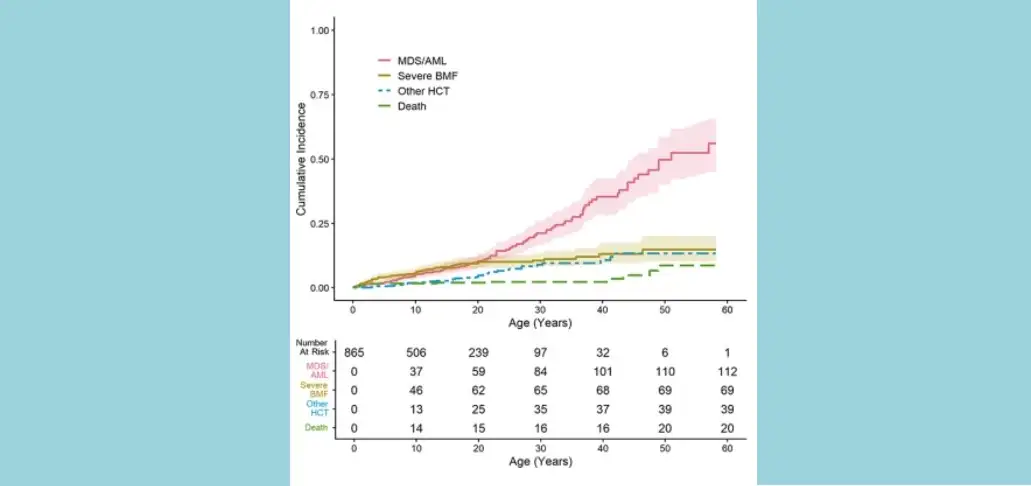
Cincinnati Children’s is helping lead the first clinical trial of a gene therapy for telomere biology disorders, a group of rare inherited conditions linked to bone marrow failure and increased cancer risk. The early Phase 1/2 trial of EXG-34217, overseen by Kasiani Myers, MD, reported sustained telomere elongation in the first two treated patients with no treatment-related safety concerns observed during early follow-up. The approach is especially notable because it did not require preconditioning or immunosuppression, which are important considerations for patients who can be especially sensitive to radiation and chemotherapy.
Evaluating a Safer CAR T-Cell Therapy for Children
Cincinnati Children’s is partnering with New Zealand-based BioOra to launch a clinical trial of Alta-cel, a third-generation CAR T-cell therapy for children and teens with relapsed or refractory B-cell acute lymphoblastic leukemia. The trial aims to test whether a therapy designed with lower neurotoxicity signals in adults can bring the promise of CAR T-cell treatment to more pediatric patients while reducing risks that have limited earlier approaches for childhood cancers.
Making Immune Checkpoint Inhibitors Safer for the Heart
Immune checkpoint inhibitors offer fresh hope for some people with difficult-to-treat cancers, but for some the treatments come with the potentially lethal risk of developing myocarditis. Cincinnati Children’s scientists have reported proof-of-concept findings that may help reduce this risk. The team developed a mouse model that mimics this side effect and identified CD8 T cell–derived tumor necrosis factor as a key driver of the heart inflammation. The work suggests it may be possible to preserve the anti-cancer effects of immunotherapy while reducing serious cardiac toxicity.
Turning Immune “Cold” Tumors Hot Again
Some tumors can resist the power of immune checkpoint inhibitors. But a team of Cincinnati Children’s experts have identified a RAC1 gene mutation that helps tumors protect themselves. Then they showed in mouse models that adding rapamycin makes those tumors responsive to treatment again. If further conformed in people, this early finding could help guide future combination therapy strategies.
New Leaders Writing the Next Chapters of Cancer Research
The University of Cincinnati Cancer Center has named David Gius, MD, PhD, a leading expert in breast and lung radiation oncology, as its new director. The center, launched in 2020, helps unify cancer research and care programs among the University of Cincinnati, UC Health, and Cincinnati Children’s. The Center also is pursuing recognition as a National Cancer Institute (NCI) designated cancer center.
In addition to Guis, renowned leukemia expert Daniel Starczynowski, PhD, has been appointed to key cancer research leadership roles at Cincinnati Children’s and the University of Cincinnati Cancer Center.
In recognition of Childhood Cancer Awareness Month, we invite you to support cancer research at Cincinnati Children’s. Here’s how.
Latest Posts

About this blog
The Research Horizons blog features news and insights about the latest discoveries and innovations developed by the scientists of Cincinnati Children's. This blog does not provide medical advice, diagnosis, or treatment. Email researchnews@cchmc.org with questions or ideas.
Subscribe to Our Newsletter