

How Investors Evaluate Early-Stage Science
Post Date: January 23, 2026 | Publish Date:

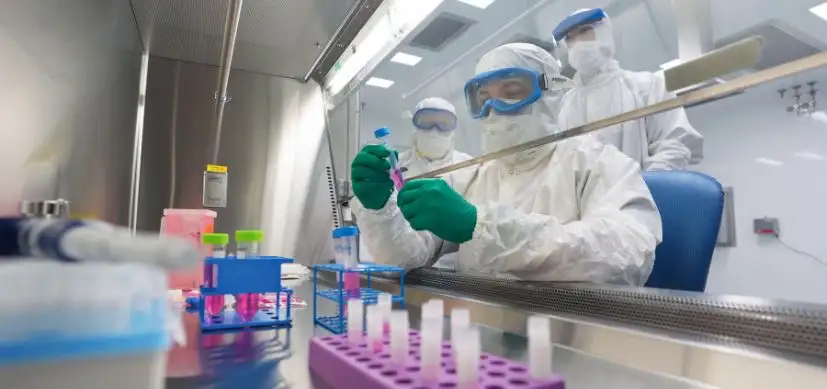
When researchers think about “translation,” they often focus on the science: targets, models and mechanisms. Venture investors and industry leaders see all of that and something more: a future product, a path to patients and a business that can attract capital, grow and scale over time. During a recent Cincinnati Children’s Innovation Ventures webinar, Deborah Palestrant, PhD, partner at 5AM Ventures and executive chair of the 4:59 Initiative, shared a candid look at how early-stage biotech investors decide which discoveries become companies.
What you’ll learn in this post
- How investors assess scientific discoveries for commercial potential
- Why defining the product and the patient population matters for fundraising
- How intellectual property (IP) strategy and timing affect a technology’s ability to attract investment from venture capital
“Our North Star is getting products to patients. The science matters enormously. The ultimate goal is making transformative therapeutics that will truly reach people.”
From her experience helping build several biotech companies, Palestrant outlined the characteristics investors look for when deciding whether to fund new technologies. First, the discovery must solve a meaningful problem in a way that stands out from existing and emerging treatment options. That includes clarity on who the therapy is for. Investors want to know the exact patient population that would benefit, whether defined by biomarkers, disease subtype or genetic mutation.
Equally important is defining the product early. While academic teams may describe pathways or mechanisms, investors need to know what a therapy will look like when delivered to a patient.
“You have to be able to articulate what is the product — a pill, a cell therapy, a virus,” Palestrant says. “That clarity tells an investor what questions to diligence.” Product definition allows investors to evaluate manufacturability, safety, regulatory feasibility and commercial pathways.
Palestrant also underscored the importance of assembling an experienced team early — not just the scientific founders. Drug development is unpredictable, and investors want leadership who have navigated it before.
“Things will go wrong,” she notes. “Experience is key. Someone who has dealt with the FDA or a manufacturing setback makes a huge difference.”
Palestrant touched on the timing of patent filings and publications, which remains a critical and often misunderstood factor.
She shared that while academic publication is necessary for career progression, publishing before securing IP protection can open the door for competitors. Composition-of-matter claims, rather than method-of-use patents alone, are typically required to ensure strong commercial protection. “Early partnership with your organization’s technology transfer office or IP attorneys can help researchers strike the right balance,” she says.
For teams preparing to engage investors, Palestrant encouraged viewing the process as a strategic partnership rather than simply a search for capital.
“Not every investor is the right fit,” she admits. “Researchers should ask how an investment firm engages, whether it reserves capital for later rounds, requires board seats, and how it supports scientific founders.”
In the end, turning a discovery into a therapy requires not only breakthrough science but also positioning, planning and support.
Don’t Miss a Post:
- Subscribe to the Research Horizons Newsletter
- Follow Cincinnati Children’s Research Foundation on Bluesky, X and LinkedIn

Latest Posts

About this blog
The Research Horizons blog features news and insights about the latest discoveries and innovations developed by the scientists of Cincinnati Children's. This blog does not provide medical advice, diagnosis, or treatment. Email researchnews@cchmc.org with questions or ideas.
Subscribe to Our Newsletter