

How Childhood PFAS Exposures Impact Teen Bone Health
Research By: Kimberly Yolton, PhD | Kim Cecil, PhD
Post Date: March 19, 2026 | Publish Date: March 17, 2026

Latest findings from the Cincinnati-based HOME Study featured on CNN
A study exploring how early exposure to per- and polyfluoroalkyl substances (PFAS) can influence childhood bone development is attracting national headlines.
The study, published March 17, 2026, in the Journal of the Endocrine Society, was led by first author Jessie Buckley, PhD, MPH, with the University of North Carolina. Cincinnati Children’s co-authors included Halley Wasserman, MD, MS, Kim Cecil, PhD, and Kimberly Yolton, PhD.
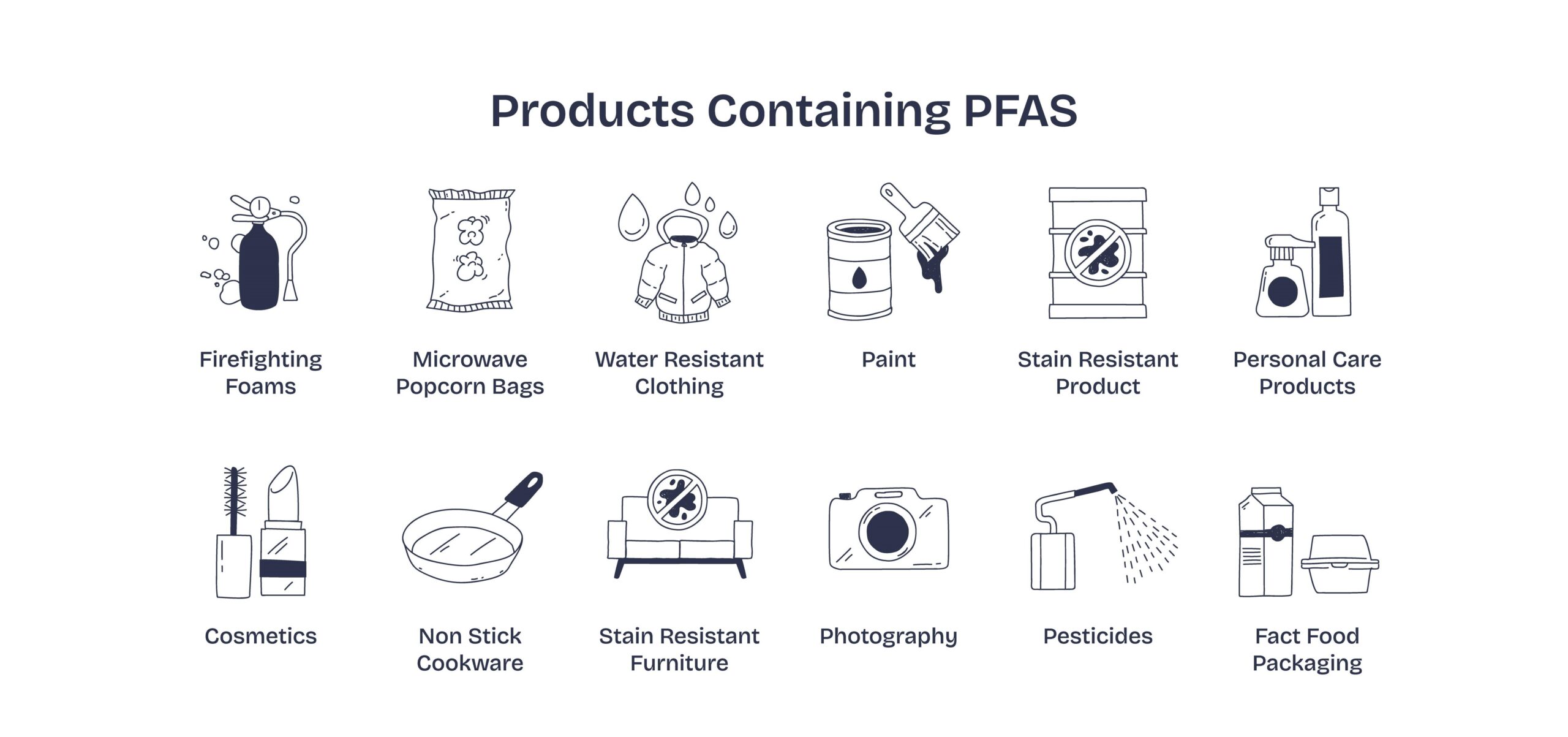
PFAS, also known as “forever chemicals,” are used to make many products such as non-stick cooking pans, water-repellant clothing, grease-proof popcorn bags, shampoos, even firefighting foam. These chemicals can linger for years in the environment and in the human body. Years of research have documented health impacts including liver damage, cancer risks, reduced response to vaccines, increased risks of obesity, preeclampsia, anxiety and depression.
Disruptions in bone development
The new bone health study was based on results from 218 children who have been followed since birth as part of the Health Outcomes and Measures of the Environment (HOME) Study, a longitudinal cohort that has been running at Cincinnati Children’s since 2001. All the data for this study was collected during study visits conducted at the Cincinnati Children’s Schubert Research Clinic.
The co-authors studied blood serum levels of four PFAS chemicals—PFOA (perfluorooctanoic acid), PFOS (perfluorooctane sulfonic acid), PFNA (perfluorononanoic acid) and PFHxS (perfluorohexane sulfonic acid—collected at birth from umbilical cords, and at ages 3, 8, and 12 years.
“We found that PFAS chemical exposure in children tended to be related to lower bone strength when they’re young teens,” Buckley told CNN. “This was particularly true for one chemical, PFOA. It didn’t really matter when the exposure happened; it was consistently related to lower bone density, particularly in their forearm.”
More studies are planned to learn how reduced bone density at age 12 carries through into adulthood, with data recently collected in 2021-2025. Some associations have already been reported between PFAS exposure and osteoporosis risk in later life, but the data has been limited in scope.
For parents seeking to protect their children, completely avoiding PFAS exposure is difficult. But reductions can be achieved by using certain water filters, minimizing fast foods and hot beverages served in coated paper packaging, and reading product labels to avoid PFAS ingredients.
About the HOME Study
The HOME Study began by tracking 468 pregnant women and their offspring. The most recent young adult study visits (ages 18-21) were completed in July 2025.
The data includes years of medical histories and growth, neurobehavioral, mental health, and neuroimaging test results. Meanwhile, 16 freezers house biological and environmental samples that continue to fuel analyses on the impact of environmental toxicant exposures. In addition to PFAS, the toxicants studied have included heavy metals, tobacco smoke, air pollution, flame retardants, and plastics.
So far, the HOME Study cohort has supported more than 220 scientific publications.
Future research studies based on the HOME Study cohort depend heavily on funding, Yolton says. Some ongoing studies have yet to publish results, and a number of grant applications are pending that will support novel analyses extending findings to young adulthood.
“There are a variety of ongoing discussions about next steps for active data collection with this highly engaged cohort,” Yolton says.
Read the CNN coverage of the bone health study
Read a media release from the Endocrine Society
Learn more about the HOME Study
Don’t Miss a Post:
- Subscribe to the Research Horizons Newsletter
- Follow Cincinnati Children’s Research Foundation on Bluesky, X and LinkedIn
| Original title: | Per- and polyfluoroalkyl substances and adolescent bone mineral density: assessing periods of susceptibility |
| Published in: | Journal of the Endocrine Society |
| Publish date: | March 17, 2026 |



Latest Posts
About this blog
The Research Horizons blog features news and insights about the latest discoveries and innovations developed by the scientists of Cincinnati Children's. This blog does not provide medical advice, diagnosis, or treatment. Email researchnews@cchmc.org with questions or ideas.
Subscribe to Our Newsletter