

Centering Patient Experience in Kidney Stone Care
Research By: W. Robert Defoor, MD
Post Date: August 20, 2025 | Publish Date: August 7, 2025

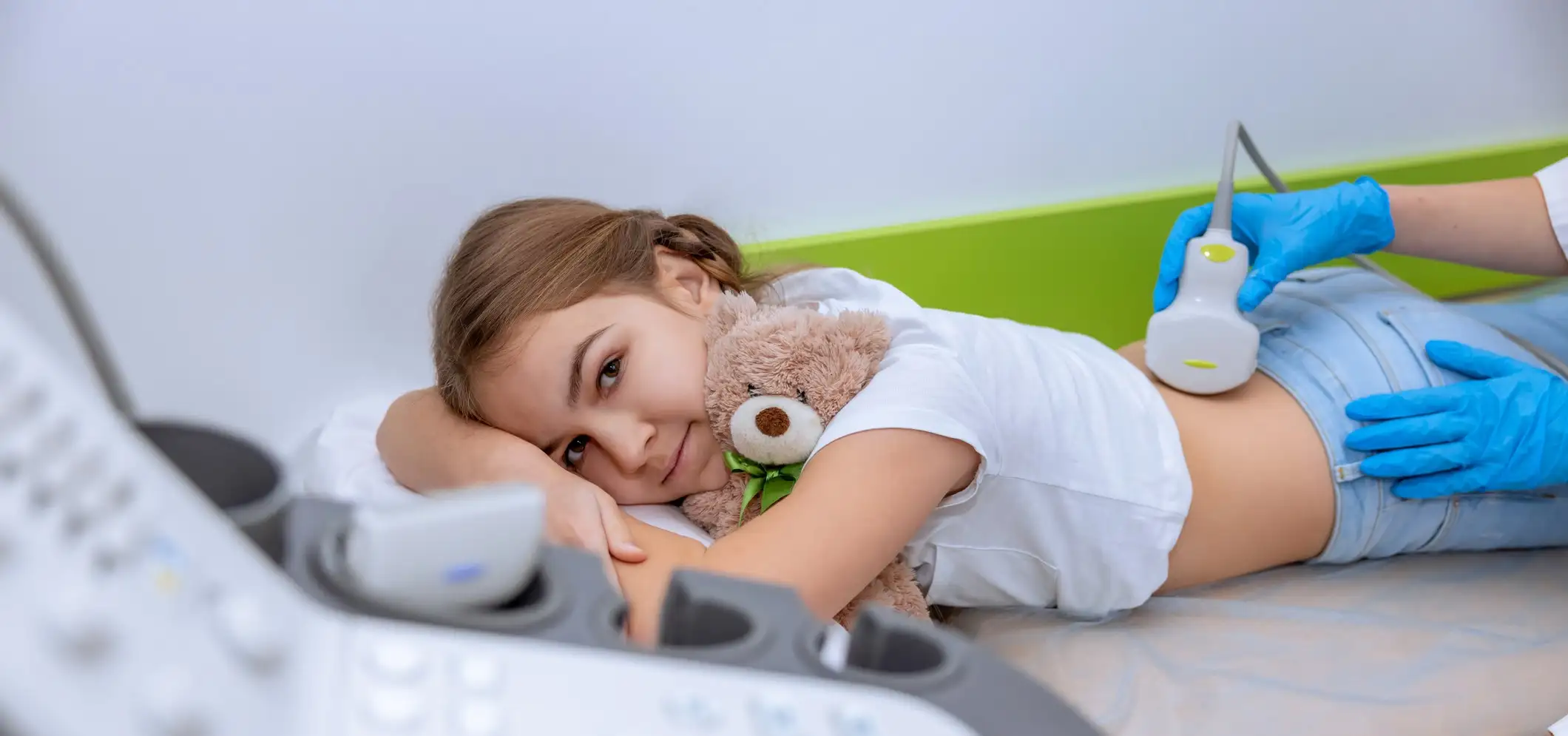
The largest study of pediatric kidney stone treatments found similar stone-clearance rates for two common procedures, but a better patient experience with shockwave lithotripsy
For years, physicians and families choosing surgery for a child with kidney stones have had limited evidence to guide an important decision: Which treatment removes stones most effectively while minimizing its impact on a child’s daily life?
Clinical guidelines have long recommended either ureteroscopy, a minimally invasive procedure that uses a small scope to remove or break up stones, or shockwave lithotripsy, a noninvasive treatment that uses sound waves to break stones into smaller pieces. Yet despite similar guideline recommendations, most children and adolescents in the United States undergo ureteroscopy. Until now, evidence comparing the two approaches in children has been limited, and little was known about how each procedure affects a child’s recovery and daily life after surgery.
In August 2025, a study published in JAMA Network Open compared outcomes after ureteroscopy and shockwave lithotripsy in more than 1,100 children and adolescents across North America. While the team found no clinically meaningful difference in stone clearance, children treated with shockwave lithotripsy reported a more favorable experience during the first week after surgery.
“Until now, there has been limited evidence to help families and clinicians compare these procedures in children,” says W. Robert DeFoor, MD, MPH, director of clinical research in the Division of Pediatric Urology. “This study provides a much clearer understanding of not only how well they work, but also what the experience looks like for patients after surgery.”
Building the Evidence for Better Decisions
Although ureteroscopy and shockwave lithotripsy are widely used to treat kidney stones in children, little evidence has been available to help physicians and families compare the procedures. Previous research was generally small in scale and focused primarily on whether the procedures removed stones, leaving important questions about the patient experience unanswered.
The Pediatric Kidney Stone (PKIDS) study brought together 31 pediatric hospitals across the United States and Canada to address those questions. The study enrolled 1,142 patients ages 8 to 21 years, making it the largest collaborative evaluation of surgical outcomes in pediatric kidney stone disease to date.
Researchers assessed not only stone clearance but also outcomes reported directly by patients and families, including pain, urinary symptoms, missed school and caregiver work absences. The approach provided a more complete picture of how each procedure affects children’s experiences after surgery.
Beyond Stone Clearance
When researchers evaluated patients approximately six weeks after treatment, they found that ureteroscopy and shockwave lithotripsy achieved similar rates of stone clearance.
The recovery experience, however, differed in substantial ways.
Children and adolescents who underwent shockwave lithotripsy reported less pain interference and fewer urinary symptoms during the first week after surgery. They were also less likely to miss school compared with patients who underwent ureteroscopy. These findings suggest that while both procedures are similarly effective at removing stones, they may have different impacts on a child’s daily life after treatment.
“Removing the stone is obviously important, but it’s not the only outcome that matters to families,” says DeFoor. “They also want to know how their child will feel after surgery and how quickly they can return to school and their everyday activities.”
Looking Ahead
The findings provide new evidence to help families and clinicians weigh the benefits and tradeoffs of two commonly used kidney stone treatments.
“At Cincinnati Children’s, these findings have strengthened our conversations with families about the full range of treatment options,” says DeFoor. “Having high-quality evidence allows us to discuss not only effectiveness, but also the factors that may matter most to a child and their family.”
The study also highlights the value of large-scale collaboration in pediatric research. By bringing together 31 centers across the United States and Canada, the PKIDS study generated evidence that can directly inform the care of children with kidney stones.
About the Study
Cincinnati Children’s participated in this study through the Pediatric Kidney Stone (PKIDS) Care Improvement Network, a multicenter research collaboration dedicated to improving outcomes for children with kidney stones.
The publication reflects a collaboration among experts from 15 institutions across the United States and Canada and includes data from 31 pediatric centers participating in the Pediatric Kidney Stone (PKIDS) Care Improvement Network.
This study was supported through a Patient-Centered Outcomes Research Institute program award and by a National Institutes of Health career development award.
Additional coverage of the study was provided by Children’s Hospital of Philadelphia.
Don’t Miss a Post:
- Subscribe to the Research Horizons Newsletter
- Follow Cincinnati Children’s Research Foundation on Bluesky, X and LinkedIn
| Original title: | Ureteroscopy vs Shockwave Lithotripsy to Removed Kidney Stones in Children and Adolescents |
| Published in: | JAMA Network Open |
| Publish date: | August 7, 2025 |


Latest Posts
About this blog
The Research Horizons blog features news and insights about the latest discoveries and innovations developed by the scientists of Cincinnati Children's. This blog does not provide medical advice, diagnosis, or treatment. Email researchnews@cchmc.org with questions or ideas.
Subscribe to Our Newsletter