

Smoothing the Transition from NICU to Home
Research By: Dan Benscoter, DO | Carole Lannon, MD, MPH
Post Date: April 22, 2025 | Publish Date: Dec. 14, 2024


Study finds that Ohio’s NICU Graduates Change Package reduces re-admissions
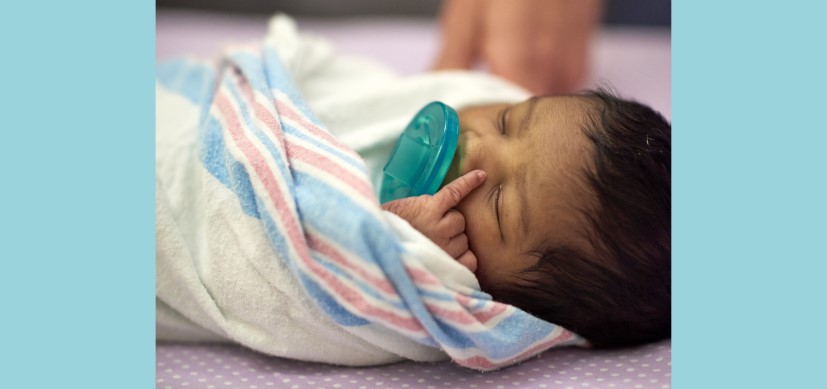
Bringing a medically complex infant home from the NICU is a significant milestone and for infants relying on specialized medical equipment the transition can be especially daunting. It’s not just about medical readiness—it’s also about the support and resources families need for successful home care.
To address these challenges, in collaboration with the Ohio Department of Medicaid, the Ohio Perinatal Quality Collaborative (OPQC) launched NICU Grads, a multi-center quality improvement initiative focused on improving outcomes for technology-dependent infants.
“The NICU Grads project facilitated collaboration between hospital staff, managed care plans and families, all of whom were deeply invested in improving transitions for some of our most complex and vulnerable infants from hospital to home,” says Dan Benscoter, DO, Division of Pulmonary Medicine, and lead author of a recent study documenting the impact of the program.
Over a two-year period, the NICU Grads team implemented a “transition bundle” aiming to shorten hospital stays, reduce readmissions, and ensure families were fully engaged in and supported while managing their child’s needs at home.
The study, co-authored by experts from Cincinnati Children’s and Rainbow Babies and Children’s Hospital, illustrates the measurable impact of quality improvement on the care of technology-dependent infants.
Preventing Avoidable Readmissions
Among 421 infants, no avoidable readmissions occurred during a 25-month period. Among the strategies contributing to this success:
- Parent Learning Style Assessments: Tailoring education to match how parents learn best
- Red Flag Action Plans: Helping families recognize and respond to early warning signs
- Journey Boards: Visual tools that helped families track progress and anticipate next steps
Early Role for Managed Care Representatives
One change was ensuring that managed care representatives were involved early in the discharge process. This collaboration helped to more quickly address problems, provided families with the necessary resources, and ensured smoother transitions from hospital to home care.
Parents as Active Participants
Parents played a pivotal role in the initiative’s success. Working alongside a family engagement specialist and managed care representatives, parents ensured that care plans not only met clinical needs but also considered personal preferences and challenges, leading to more personalized and effective care.
Looking Ahead
The success of NICU Grads highlights the power of a family-centered approach in transitioning medically complex infants home. While social factors, limited resources, and lack of skilled home nurses remain ongoing barriers, this work demonstrated that teams of clinicians and families can create innovative solutions to successfully support families in the transition home.
Learn more
Interested in learning more about Cincinnati Children’s quality work? Sign up for the Improvement Insider, a quarterly digest from the James M. Anderson Center for Health Systems Excellence offering a curated collection of quality improvement stories and research, expert insights, and opportunities to collaborate.
About the Study
Cincinnati Children’s co-authors included Christine Schuler, Division of Hospital Medicine; Pierce Kuhnell, Division of Biostatistics and Epidemiology; Andrea Hoberman, Heather Kaplan, MD, MSCE, and corresponding author Carole Lannon, MD, MPH, all with the Anderson Center; and Kristin Voos, MD, from Rainbow Babies and Children’s Hospital.
| Original title: | Transitioning medically complex infants home: lessons learned from quality improvement efforts |
| Published in: | Journal of Perinatology |
| Publish date: | Dec. 14, 2024 |
Research By


Identifiable gaps in health outcomes piqued my research interests. I now work with patients, families, clinicians and researchers to improve care and outcomes for children and families using learning health networks. These networks, used for improvement and research, can accelerate population health outcomes at scale.

Latest Posts

About this blog
The Research Horizons blog features news and insights about the latest discoveries and innovations developed by the scientists of Cincinnati Children's. This blog does not provide medical advice, diagnosis, or treatment. Email researchnews@cchmc.org with questions or ideas.
Subscribe to Our Newsletter