

From Screening to Sustenance
Research By: Michelle Gorecki, MD, MPH
Post Date: February 5, 2026 | Publish Date: December 2025

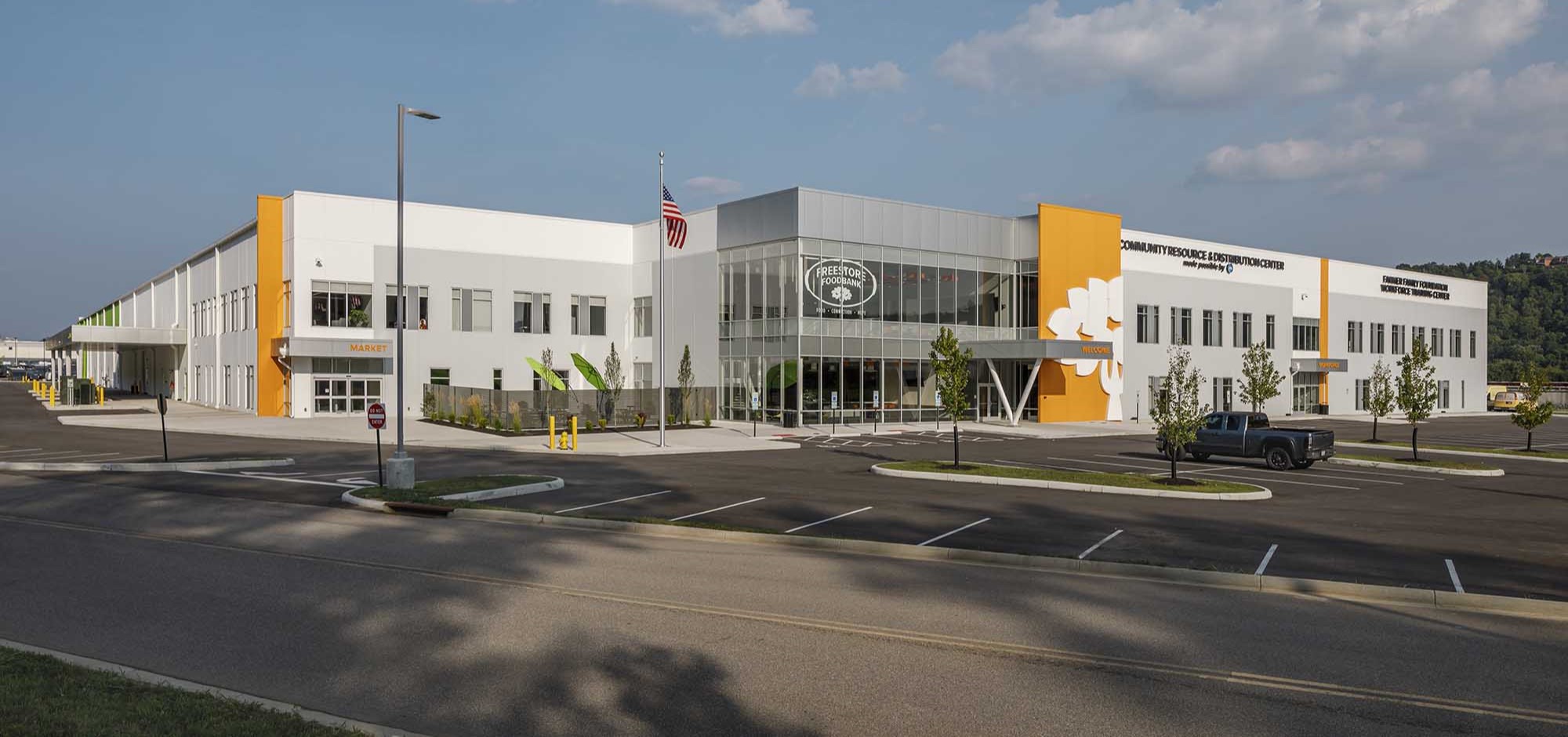
How Quality Improvement Research Can Help Address Food Insecurity
Families often visit Cincinnati Children’s clinics for well-child visits, immunizations, or developmental check-ins, but for some, there’s another pressing concern at play: food insecurity.
Nutritious food is essential to a child’s health, supporting brain development, immune function, and long-term well-being. However, one in five families quietly face challenges in consistently accessing nutritious food. This is especially common in urban food deserts, including the communities surrounding Cincinnati Children’s Burnet Campus.
In a recent article titled, “Addressing Food Insecurity in Pediatric Primary Care: Implementation of a Fresh Produce Delivery Pilot,” experts from Cincinnati Children’s General and Community Pediatrics, the James M. Anderson Center for Health Systems Excellence, and the Freestore Foodbank, demonstrate how a group of pediatric primary care clinics and a local food bank used quality improvement methods to more-effectively connect families to fresh produce home delivery. The result: improved food and nutrition security for young children.
A Strong Partnership
Through a six-month pilot project, Cincinnati Children’s and Freestore Foodbank successfully connected nearly 200 food insecure families to Freestore Direct, a fresh produce home-delivery program. In addition, the program’s wait list was eliminated, and the time to first delivery was reduced by 72%.
Improving Access Together
The foundation for this work was already in place. The foodbank was already operating a home-delivery program that brought fresh, healthy food straight to families’ doors. The hospital, meanwhile, had existing relationships with the very families who stood to benefit most.
Building on this foundation, the next step was to improve access through formal quality improvement training. Staff from Cincinnati Children’s and Freestore Foodbank joined the Anderson Center’s Rapid Cycle Improvement Collaborative (RCIC). This course helped the team to build a shared understanding of workflows, identify key areas for improvement, and address barriers, leading to a more effective approach to connecting families with fresh produce.
During the six-month pilot, the team referred nearly 200 families, reaching 5% of weekly patients and sustaining a 3.5% referral rate as the program grew. By working together, a waitlist was eliminated and time to first delivery was reduced from 74 days to 21 days.
Notably, the program also increased use of Cincinnati Children’s existing on-site food pantry. Meanwhile, small changes, such as displaying signs in exam rooms, led to more families disclosing their food needs.
“This pilot project serves as a reminder that reducing stigma and making help visible matters,” says Michelle Gorecki, MD, MPH, FAAP, an attending physician in the Division of General and Community Pediatrics.
Lessons Learned
Communities looking to replicate this model in their own setting may consider the following strategies:
- Start with what is already working. There is no need to build from scratch. The team leaned on existing community partnerships and worked together to enhance a program already in place.
- Meet people where they are. Clinic visits are a key touchpoint and so is home delivery. When services show up where people already are, access improves.
- Invest in the team. Formal QI training and ongoing feedback loops helped ensure everyone was working toward the same goals and that the process was sustainable for all. Interested in taking the next step in your QI journey? Learn more about what the Anderson Center’s Leadership Academy has to offer.
Looking Ahead
While the pilot initially focused on families with young children and stable addresses, efforts are underway to expand access and formally gather family feedback to guide future improvements. Since the pilot’s conclusion, the program has expanded to serve patients of all ages and have connected over 500 families to this valuable local resource.
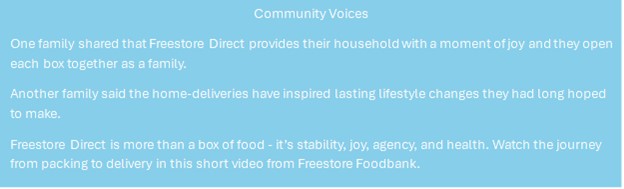
Unlike many food support programs that end after a few months, this one is continuous. Families can continue receiving home deliveries for as long as they need, a flexible approach that recognizes the complexity of food insecurity.
The success of the pilot project reinforces the power of partnering across sectors to better serve our local community. The team is committed to continuing and expanding this work as more resources become available. Through it all, cross-sector partnerships remain the greatest strength.
Don’t Miss a Post:
- Subscribe to the Research Horizons Newsletter
- Follow Cincinnati Children’s Research Foundation on Bluesky, X and LinkedIn
| Original title: | Addressing Food Insecurity in Pediatric Primary Care: Implementation of a Fresh Produce Delivery Pilot |
| Published in: | Pediatric Quality & Safety |
| Publish date: | December 2025 |
Research By

My research focuses on the early childhood social determinants of health, specifically addressing food inequity.

Latest Posts
About this blog
The Research Horizons blog features news and insights about the latest discoveries and innovations developed by the scientists of Cincinnati Children's. This blog does not provide medical advice, diagnosis, or treatment. Email researchnews@cchmc.org with questions or ideas.
Subscribe to Our Newsletter