

Road to Researcher: Tanya Froehlich, MD, MS
Research By: Tanya Froehlich, MD, MS
Post Date: October 29, 2026 | Publish Date:

The ADHD expert shares how unexpected opportunities, influential mentors, interdisciplinary collaboration and a passion for helping children have fueled her career.
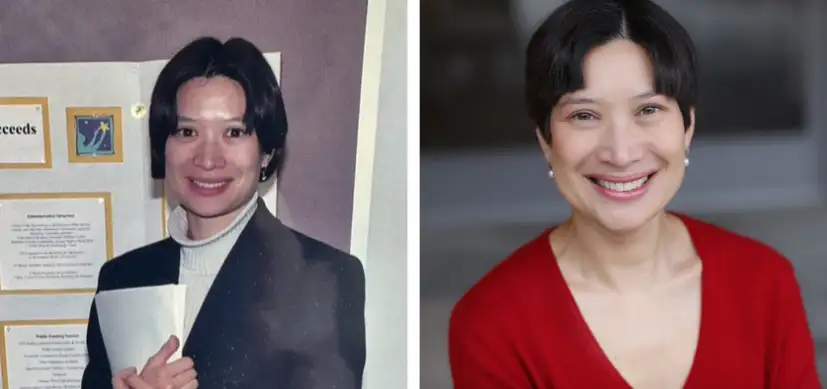
Growing up in rural Pennsylvania, Tanya Froehlich, MD, MS, never imagined she would pursue a career in medical research. The daughter of a social worker and a high school teacher, she knew little about academic medicine. But her natural curiosity, passion for helping children and the encouragement of influential mentors eventually led her down an unexpected path.
Today, Froehlich is a nationally recognized expert in attention-deficit/hyperactivity disorder (ADHD), a developmental and behavioral pediatrician, and director of the Division of Developmental and Behavioral Pediatrics at Cincinnati Children’s. Her research focuses on improving care for children with ADHD and other developmental and behavioral conditions, particularly those facing additional medical or psychosocial challenges.
Her research career took shape during her fellowship at Cincinnati Children’s, where mentors and collaborators across disciplines encouraged her to explore questions about ADHD, health disparities and treatment effectiveness. Those early experiences sparked a passion for scientific discovery that has since led to more than 15 years of continuous National Institutes of Health funding and research that has helped inform clinical practice and public health.
For Froehlich, collaboration remains central to scientific progress. Whether investigating how environmental exposures contribute to ADHD, studying ways to optimize medication treatment for children with coexisting conditions, or mentoring the next generation of developmental and behavioral pediatric professionals, she believes the best discoveries emerge when people bring different perspectives and expertise to the table.
In this installment of Road to Researcher, Froehlich reflects on the mentors and collaborations that shaped her career, the discoveries she is most proud of and why Cincinnati Children’s has been the right place to pursue her passion for helping children. She also shares advice for aspiring researchers and how family, friends, food and fitness help her recharge outside of work.
What inspired you to pursue a career in research?
It hadn’t been my lifelong ambition to become a researcher. My dad was a social worker, and my mom was a high school teacher, so I knew very little about the world of medical research. But that just goes to show how much support I found at Cincinnati Children’s.
I started my clinical fellowship in developmental behavioral pediatrics [DBP]. And then, somewhere along the way, I became interested in ADHD, a condition that, left untreated, can have really devastating effects, including increased risks of poor school achievement, accidents, injuries, depression, substance abuse, criminality and even mortality. On the other hand, if appropriately treated, I’ve seen people thrive—and I wanted to play my part in helping them improve their quality of life.
I have an inquisitive nature. So, my fellowship program director, Nancy Lanphear [MD], suggested that I might enjoy working with people in general pediatrics, and pointed me toward a National Research Service Award [NRSA] fellowship. And since Robert Kahn [MD, MPH], a General Pediatrics faculty member, was also interested in ADHD, she encouraged me to talk with him. That eventually led to my undertaking of the NRSA fellowship along with the clinical DBP fellowship, and pursuing a master’s in epidemiology and biostatistics.
In those conversations, I learned that I have a lot in common with Rob. Aside from our interest in the condition itself, we discovered we both have a heart for underserved populations. So, together we looked at a nationally representative database called the National Health and Nutrition Examination Survey (NHANES) dataset. We studied the rates of ADHD and how they vary between socioeconomically disadvantaged kids and those who are more advantaged, as well as how treatment varies by socioeconomic group. It was a fantastic experience and encouraged me to continue my studies.
During my NRSA fellowship, I met Jeffery Epstein [PhD], who works as a pediatric psychologist in the Behavioral Medicine and Clinical Psychology division. Since I was also interested in clinical research—seeing patients and learning more about the interventions we use in clinical care—we began a study together with the goal of understanding how to administer treatments and medications in the most effective and safest way. As it turns out, Jeff is a master at clinical trials. In fact, with Jeff’s mentorship, I was successful in writing and receiving a National Institutes of Health Career Development Award.
And that’s when I discovered my passion for research. There was no turning back.
What attracted you to Cincinnati Children’s?
I was in my last year of residency at the Children’s Hospital of Philadelphia [CHOP] and had planned to stay there for my DBP fellowship. At the time, my then-boyfriend Junichi Tamai [MD], was completing his pediatric orthopaedic surgery fellowship at CHOP. He wanted to pursue a career in academic medicine, but faculty opportunities in his specialty were limited, so he began exploring positions elsewhere.
In 2002, he accepted a faculty position at Cincinnati Children’s. By then, we were engaged, and we were delighted to learn that a fellowship position was also available for me. We moved to Cincinnati together, excited to begin the next chapter of our lives and careers at an institution known for its excellence in research, clinical care and education.
Is there anything that has surprised you about being at Cincinnati Children’s, whether it’s cultural, professional or scientific?
It’s surprising to have a place that is at the pinnacle of everything we do—research, teaching and training, clinical care—and to be so incredibly collaborative. People here reach across divisions and work together. In fact, my mentors, Rob Kahn and Jeff Epstein, aren’t even in Developmental and Behavioral Pediatrics, but that didn’t matter to them. I felt fully supported, whether I needed assistance with research training, grant applications or securing internal funding awards, and had every chance to flourish.
Scientifically, the rigor here is unparalleled. I’ve been a standing member of an NIH study section, and several study sections at Cincinnati Children’s for our internal grants. The NIH study sections have nothing on us here. The rigor, the insights, the incisiveness, and the collaborative spirit of making everybody’s work better, is a big ingredient in our success.
Is there a particular collaboration or project or discovery that you and your team have made at Cincinnati Children’s that you’re particularly proud of?
Two stand out for me. The first involved examining environmental exposures, and the other, investigating how ADHD medications work.
Studying the effects of things like lead exposure, bisphenol A exposure, and pyrethroid pesticide exposure on the risk of ADHD, helped us gather important data that led to some actual public health changes, including the Centers for Disease Control lowering the acceptable blood lead level in 2012 and even further in 2021, a ban on bisphenol A in some products in the European Union and in 15 states in the US.
Specifically, regarding ADHD medication, I’m proud that some of our findings have informed recommendations in national clinical practice guidelines for treating ADHD in the setting of co-existing anxiety and irritability. I’m also proud of my current collaboration with Anna Esbensen [PhD]. Together, we’re looking to change the way we dose methylphenidate in kids with coexisting Down syndrome and ADHD, an important population within developmental behavioral pediatrics.
How does collaboration play a role when you are mentoring fellows and trainees?
Here, we have a strong interdisciplinary training component in our program that allows fellows to learn alongside other trainees working in the field of care for children with developmental disabilities. Leadership Education in Neurodevelopmental and related Disabilities (LEND) brings together fellows and trainees in Developmental and Behavioral Pediatrics, genetic counseling, psychology, speech and language, occupational therapy, child life, nursing and social work, as well as specialists in family advocacy, public health and research. This sets the stage early for building interprofessional connections and mentors.
What advice would you give to someone who’s just beginning their career?
When you’re starting out, it’s common to think you need to know everything yourself and do it all by yourself. But you’ll find more success working with great mentors and collaborators—and you’ll have more fun. Trust me when I say that your team will give you insightful perspectives and a range of expertise that will enrich your work. You don’t have to be the be-all and end-all for the project.
Outside of the lab and your work, what do you enjoy doing? What helps you recharge?
I don’t have ginormous amounts of time, so I focus on the basics. I like to think of it as my four Fs: family, friends, food and fitness.
For family, it’s my husband Junichi [co-director of the Hip Preservation Center, Division of Pediatric Orthopaedics], and my daughter, Julia, who’s in college now. She’s a softball player, so we go see her college games when we can. And like everyone, I steal time with my friends whenever I can.
With friends, we enjoy sampling new cuisines and just catching up. I also love to cook and prepare food that’s colorful and healthy. On the other hand, I am known for making desserts, including bringing in brownies for our teams at Cincinnati Children’s.
In terms of fitness, I like to start every morning getting in some physical activity and natural sunlight if I can.
Is there anything about your background or personal journey that people might not expect, but that shaped who you are as a scientist?
I was born and raised in rural Pennsylvania, primarily by my mom, since my father died when I was young. She grew up in Jamaica and wasn’t afforded the educational opportunities our kids enjoy in America. She was not only the first person in her family to graduate from high school; she was the first to attend at all.
I am among those underrepresented in medicine: a kid from a low-income, rural ZIP code and a Pell Grant recipient. It hasn’t been the easiest path, but it’s made me grateful for every opportunity.
Don’t Miss a Post:
- Subscribe to the Research Horizons Newsletter
- Follow Cincinnati Children’s Research Foundation on Bluesky, X and LinkedIn
Research By
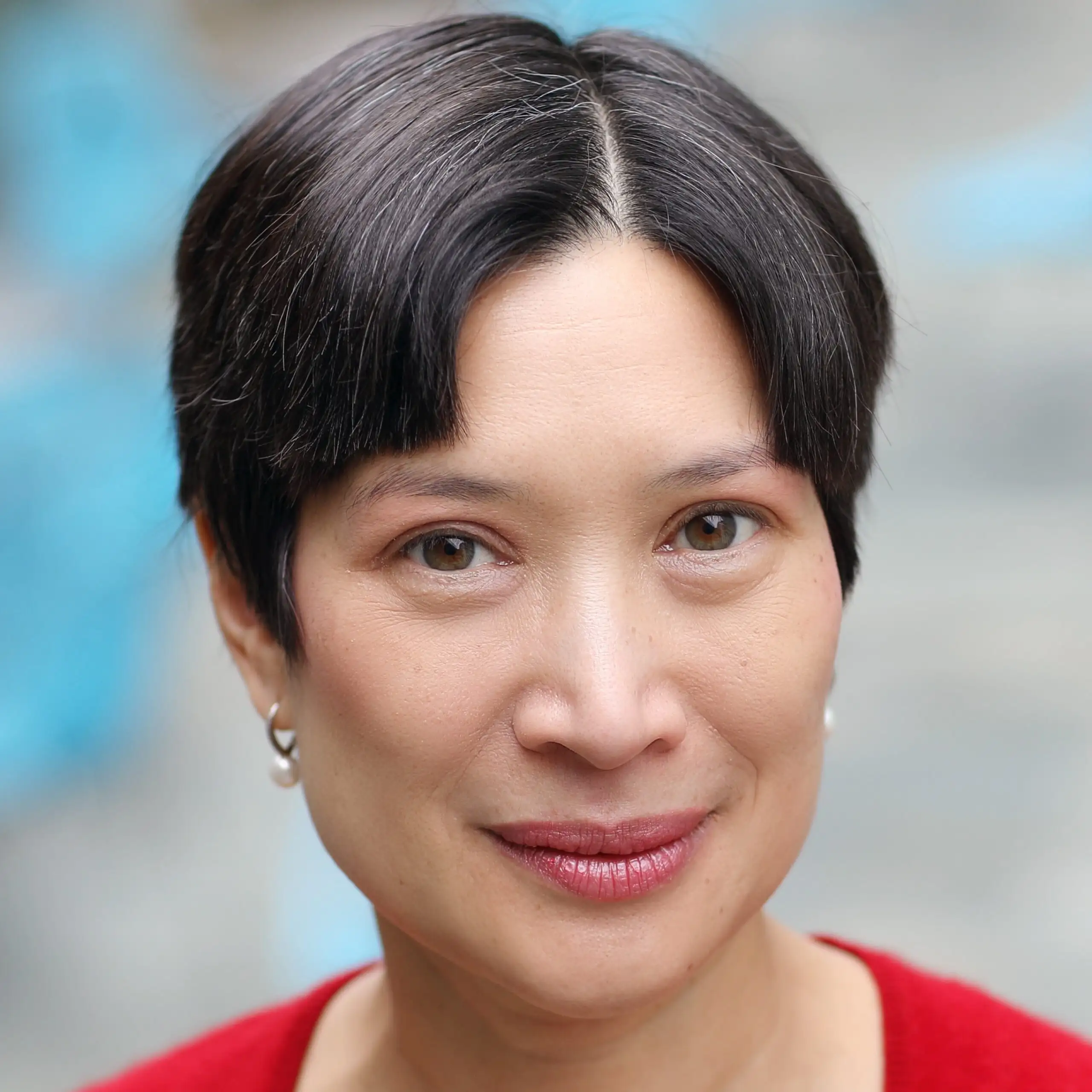
My research focuses on interventions for attention deficit hyperactivity disorder (ADHD) and other developmental-behavioral issues, including predictors and treatment response correlations.
Latest Posts
About this blog
The Research Horizons blog features news and insights about the latest discoveries and innovations developed by the scientists of Cincinnati Children's. This blog does not provide medical advice, diagnosis, or treatment. Email researchnews@cchmc.org with questions or ideas.
Subscribe to Our Newsletter